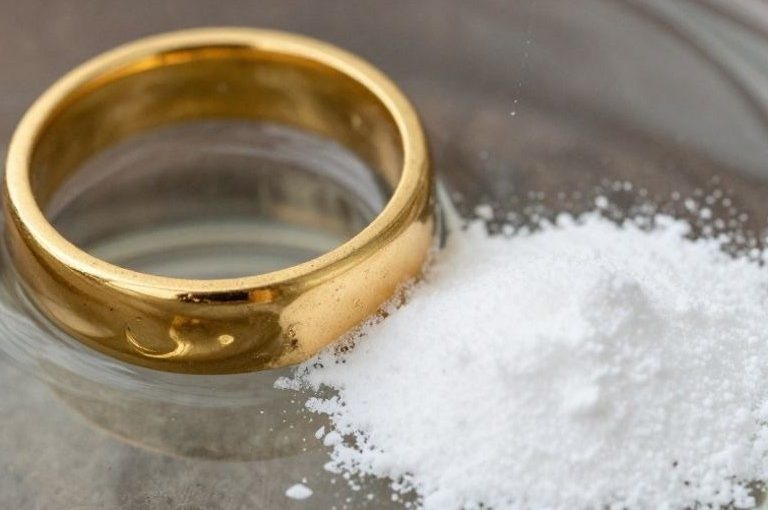
Learning how to clean gold jewelry with baking soda is both practical and cost-effective. Many people own gold rings, necklaces, or bracelets. Over time, these pieces lose their shine. Dirt, oils, and everyday wear dull the surface. Instead of paying for professional cleaning, you can restore brilliance at home.
Baking soda is a natural cleaner. It gently removes buildup without harsh chemicals. Unlike store-bought solutions, it’s safe for most skin types. It doesn’t contain alcohol or ammonia. This makes it ideal for sensitive users. Plus, it’s affordable and easy to find.
Moreover, this method works quickly. You don’t need special tools. Most items are already in your kitchen. A soft cloth, warm water, and baking soda are all you need. The process takes less than 30 minutes. You’ll see visible results right away.
Another benefit is control. You decide how often to clean. No more waiting for appointments. No risk of losing items during shipping. Cleaning at home keeps your valuables safe. You also learn what your jewelry needs over time.
Gold does not tarnish like silver. However, it collects grime. Skin oils, lotions, and dust stick to crevices. These make the metal look cloudy. Regular cleaning prevents deep buildup. Using baking soda offers a gentle solution.
Finally, maintaining your gold jewelry increases its lifespan. Clean pieces resist damage. They stay beautiful for generations. Learning how to clean gold jewelry with baking soda empowers you to care for your treasures wisely.
 What You Need to Begin the Cleaning Process
Essential Supplies and Tools
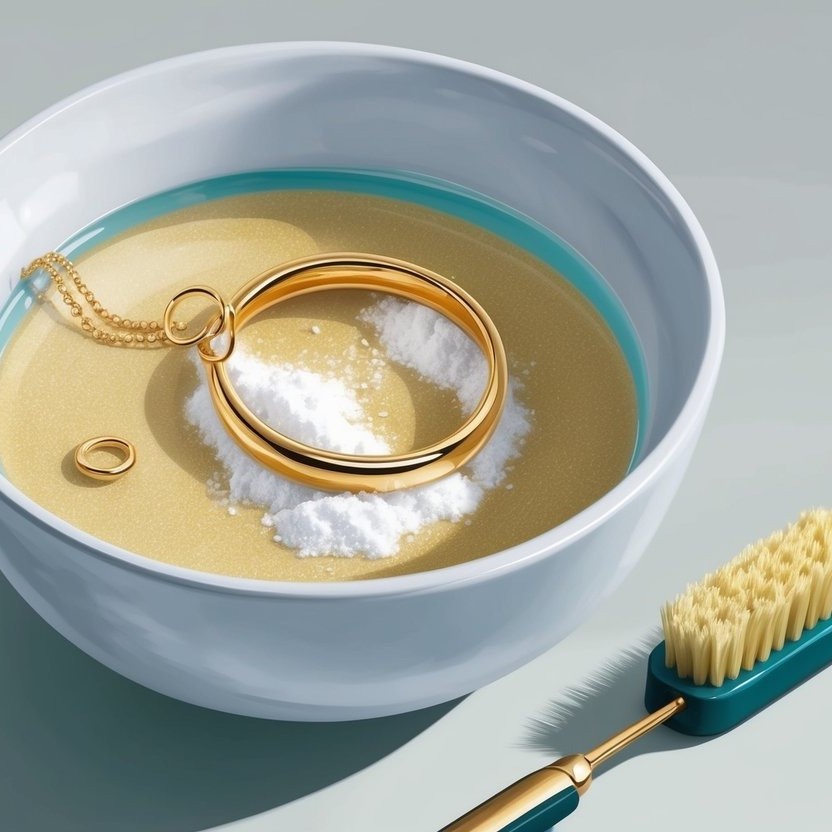
To start, gather basic household items. First, get baking soda. Use regular granulated kind. Avoid flavored or extra-strength versions. Plain baking soda works best. One tablespoon is usually enough.
Next, find a small bowl. Glass or ceramic is ideal. Plastic may absorb odors. Make sure it’s clean and dry. You’ll mix ingredients inside.
Warm water is required. Not boiling, not cold. Just warm—like bathwater. This helps dissolve the baking soda. It also opens pores in the metal slightly. This allows deeper cleaning.
You’ll need aluminum foil. Cut a small piece. Line the bottom of the bowl. Shiny side up. This creates a chemical reaction. It lifts dirt from the gold through ion transfer.
A soft-bristled toothbrush helps too. Use an old one. Never use metal brushes. These scratch the surface. Nylon or natural bristles are safe. They reach into tiny spaces.
Finally, have a microfiber cloth ready. This dries and polishes the jewelry. Do not use paper towels. They leave lint behind. Cotton cloths may be too rough.
Keep everything within reach. Efficiency speeds up the process. Preparation ensures no interruptions.
Safety Precautions Before Starting
Before mixing anything, remove gemstones if possible. Some stones react poorly to chemical reactions. Pearls, opals, and turquoise are especially sensitive. Porous materials absorb moisture. This weakens them over time.
Do not use this method on plated gold. Fake or low-karat coatings may come off. Test on a hidden spot first. Rub gently. If color fades, stop immediately.
Avoid using bleach or vinegar with baking soda. These combinations create harmful gases. Stick to simple recipes. Safety comes first.
Work in a well-lit area. You must see what you’re doing. Check for loose prongs or worn clasps. Cleaning won’t fix structural issues. But spotting them early prevents loss.
Never soak jewelry overnight. Even gold benefits from limited exposure. Thirty minutes is plenty. Prolonged soaking risks weakening solder joints.
Use gloves if you have sensitive skin. Baking soda is mild. Still, some people react to prolonged contact. Latex or nitrile gloves offer protection.
Keep children and pets away. Small items can be swallowed. Supervise closely. Finish each step before leaving the workspace.
 Step-by-Step Guide to Cleaning Gold Jewelry with Baking Soda
Setting Up the Cleaning Solution
Start by lining the bowl with foil. Place it shiny side up. Ensure it lies flat. Crinkles reduce contact. Good contact improves the cleaning effect.
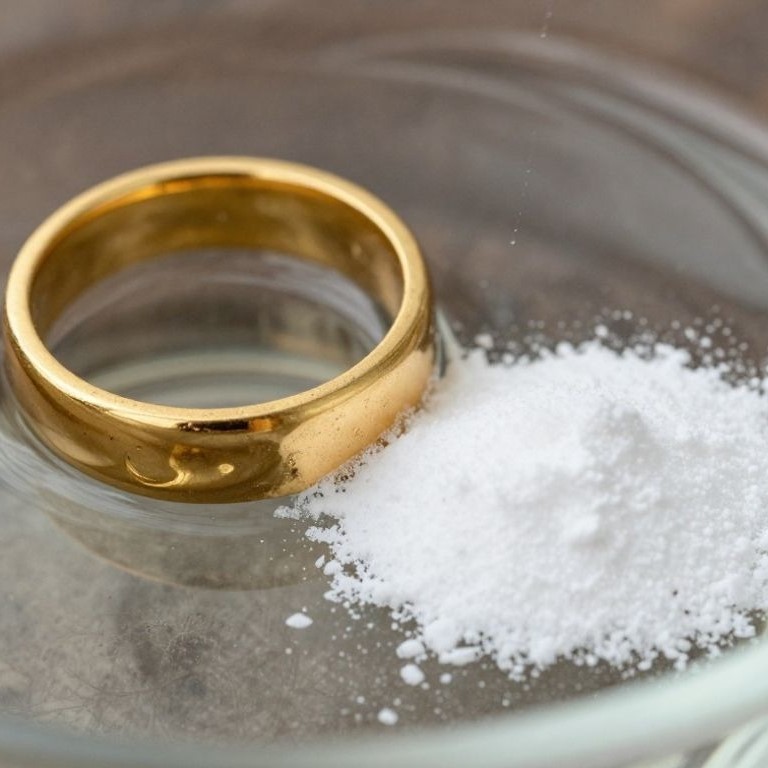
Add one tablespoon of baking soda. Pour it into the center. Then add one teaspoon of salt. Table salt works fine. Sea salt is acceptable too. Both enhance conductivity.
Slowly pour in hot water. About half a cup should suffice. Stir gently until dissolved. A fizzing sound may occur. This means the reaction has started.
The mixture creates a mild electrolytic solution. This pulls impurities from the gold. It targets microscopic dirt. Oxidation and residue rise to the surface.
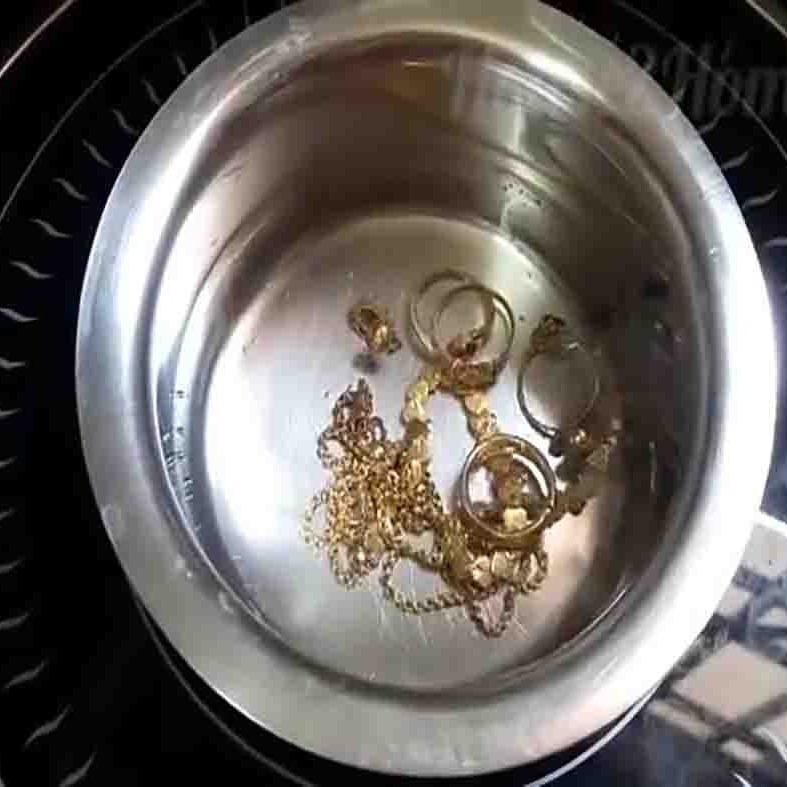
Place your gold jewelry into the liquid. Make sure it touches the foil. Full contact activates the process. Let it sit for 10 to 15 minutes.
Do not overcrowd the bowl. Clean one or two pieces at a time. Space allows even cleaning. Overlapping reduces effectiveness.
Check after ten minutes. Look for changes in shine. Remove when satisfied. Longer soaks aren’t better. Fifteen minutes is the maximum.
Scrubbing and Final Polishing
After soaking, lift the jewelry carefully. Use tongs or fingers. Rinse under warm running water. Wash away any residue. Be careful not to drop it.
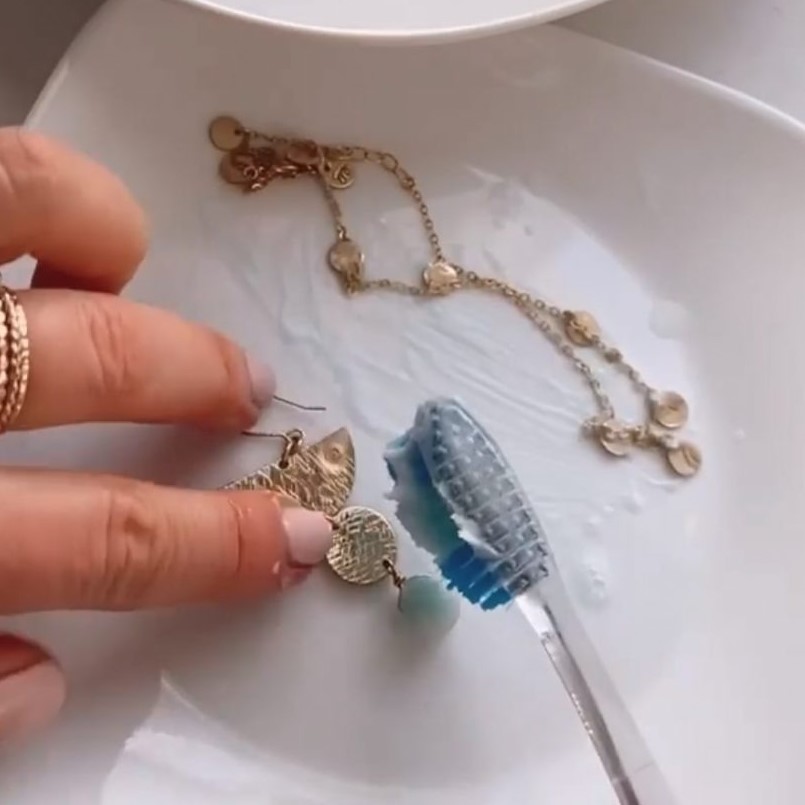
Now, take the soft toothbrush. Dip it in water. Gently scrub around settings. Focus on areas under stones. Dirt hides where light doesn’t reach.
Use circular motions. Apply light pressure. Don’t force the brush. Let the bristles do the work. Pay attention to clasps and hinges.
Rinse again thoroughly. Inspect every angle. Hold it under light. Rotate slowly. Look for missed spots.
Once clean, pat dry with a microfiber cloth. Do not rub hard. Blotting is safer. Friction can cause micro-scratches.
Let it air dry for five minutes. Place on a clean towel. Avoid direct sunlight. UV rays may affect certain metals over time.
Finish by buffing lightly. Use the cloth in soft circles. This restores natural luster. Your gold will sparkle like new.
Store properly afterward. Keep in a fabric-lined box. Separate from other pieces. Prevents scratching and tangling.
When to Avoid This Cleaning Method
Jewelry with Delicate Gemstones
Not all gold jewelry can handle this method. Pieces with pearls should never go in the mix. Pearls are organic. They lose their sheen when exposed. Moisture damages their layers.
Opals are fragile. Their structure contains water. Sudden shifts in humidity cause cracks. Heat from the water may trigger splitting. Always hand-wipe opals with a damp cloth.
Turquoise is porous. It absorbs liquids easily. Dyes may bleed out. The stone can stain or weaken. Avoid any chemical exposure.
Emeralds are included in this caution list. They often have internal fractures. Oils or treatments seal them. Harsh cleaning removes protective layers. This leads to breakage.
Coral and amber fall into the same category. They are soft and sensitive. Baking soda may erode their surfaces. Even slight abrasion causes lasting harm.
If unsure, skip the bath. Wipe gently instead. Use only water and a soft rag. For deep cleaning, consult a jeweler.
Always check manufacturer guidelines. Some brands advise against DIY methods. Following rules protects your investment.
Plated or Costume Gold Items
Never use this method on gold-plated jewelry. The coating is thin. Baking soda can strip it away. Once gone, it cannot be restored at home.
Costume jewelry behaves similarly. Metallic finishes fade fast. Tarnished areas become worse. The original look disappears.
Test first if you must. Pick an inconspicuous spot. Apply a paste of baking soda and water. Rub gently. Wait one minute. Rinse and inspect.
If discoloration appears, stop. The item is not solid gold. Treat it as costume wear only.
Even real gold alloys vary. 10K and 14K are common. 24K is pure but soft. Lower karats include other metals. These may react differently.
Vintage pieces need extra care. Old solder joints weaken. Repeated cleaning loosens settings. Handle with caution.
When in doubt, choose gentler options. Mild soap and water work for most cases. Reserve baking soda for durable, solid-gold items.
 Benefits of Using Baking Soda Over Commercial Cleaners
Cost and Accessibility Advantages
One major benefit is cost. Baking soda costs pennies per use. A full box lasts years. Commercial cleaners charge high prices. Refills add up over time.
You likely already own baking soda. It sits in your pantry. No need to shop or wait for delivery. Immediate access saves time.
It’s widely available. Grocery stores, pharmacies, and online shops carry it. Even gas stations sell small boxes. Travel-friendly packaging exists.
No subscription needed. No locked-in purchases. Buy once, use forever. Simplicity wins.
Commercial kits often require multiple steps. Foams, sprays, wipes, and rinses pile up. Storage becomes messy. Baking soda replaces them all.
Waste is minimal. No plastic bottles or aerosols. Environmentally friendly. Less pollution in landfills.
You control the amount used. No overuse or spills. Precision supports sustainability.
Refillable containers support reuse. Combine with reusable cloths. Reduce single-use waste.
Gentle Yet Effective Results
Baking soda cleans without damaging gold. It is mildly abrasive. Removes grime safely. Does not eat through metal.
Unlike acids, it preserves finishes. Matte, brushed, or polished textures stay intact. No unwanted shine changes.
It reaches small gaps. Bristles help, but the solution penetrates alone. Crevices between prongs open up.
No strong smells linger. Chemical cleaners leave odors. Baking soda is neutral. Pleasant and clean.
Safe for frequent use. Clean monthly without risk. Regular maintenance prevents buildup.
You avoid toxic fumes. No ventilation needed. Ideal for apartments or small homes.
Pets and kids remain safe. Spills aren’t dangerous. Ingestion is still not advised. But minor exposure isn’t toxic.
Overall, it strikes the perfect balance. Strong enough to clean. Mild enough to protect. That’s why learning how to clean gold jewelry with baking soda is valuable.
How Often Should You Clean Your Gold Jewelry?
Recommended Frequency Based on Wear
Daily-worn pieces need monthly cleaning. Rings collect oils fast. Necklaces touch skin constantly. Earrings trap sweat and hair products.
Monthly care prevents buildup. Light cleaning maintains shine. Deep soaks every three months keep them fresh.
Occasionally worn items last longer. Seasonal jewelry may need cleaning twice a year. Before wearing, always inspect.
Special occasion pieces deserve pre-event cleaning. Wedding bands, anniversary gifts, heirlooms. Shine enhances emotion.
After exposure to saltwater or chlorine, clean immediately. Pools and oceans accelerate corrosion. Quick action prevents long-term damage.
Travel exposes jewelry to unknown conditions. Clean upon return. Dust, humidity, and handling matter.
Watch for signs. Dullness, cloudiness, or greasy feel. These signal it’s time. Trust your eyes and touch.
Over-cleaning isn’t helpful. Excessive scrubbing wears down metal. Respect limits. Moderation ensures longevity.
Adjusting for Different Environments
Hot climates increase sweating. More oil means more cleaning. Summer routines may need adjustment. Bi-weekly cleaning could help.
Cold weather brings dry skin. Lotion builds up faster. Residue sticks to gold. Post-moisturizing cleaning helps.
Humid areas promote moisture retention. Damp storage causes foggy looks. Store in dry boxes. Include silica packets.
Hard water leaves mineral deposits. Faucets drip calcium onto jewelry. Clean more often. Wipe after washing hands.
Work environments differ. Kitchens expose to grease. Offices involve computer contact. Tailor frequency accordingly.
Active lifestyles demand attention. Exercise sweats through pores. Gym-goers should clean weekly.
Balance convenience and care. Set reminders. Link cleaning to habits. After showering, before storing.
 Frequently Asked Questions About How to Clean Gold Jewelry with Baking Soda
Can I Use Vinegar Instead?
No, avoid vinegar in this method. While vinegar cleans, it’s acidic. Combined with baking soda, it neutralizes fast. The fizzing stops the cleaning effect.
Vinegar alone may harm soft gold. It can etch the surface. Long-term exposure weakens metal. Not recommended.
Stick to baking soda and water. Add salt and foil for enhanced results. This trio is proven safe.
For stubborn stains, try a paste. Mix baking soda with water. Apply directly. Scrub gently. Rinse well.
Never mix vinegar and baking soda for jewelry. It wastes both ingredients. Worse, it may leave residue.
Use white vinegar only for non-metal items. Glass or ceramics benefit. Gold deserves gentler care.
Is This Method Safe for Rose Gold?
Yes, generally safe. Rose gold contains copper. This gives it a pink tint. Copper reacts slightly with the solution.
However, short exposure is okay. Ten to fifteen minutes is acceptable. Do not extend soaking time.
Rinse thoroughly. Dry quickly. Moisture accelerates oxidation. Pink tones may darken if left wet.
Polish gently. Aggressive rubbing affects finish. Microfiber is best.
Inspect regularly. Look for color shifts. Stop if redness turns brown.
Real rose gold is durable. But plating fades faster. Test first if uncertain.
Can I Clean Diamond Rings This Way?
Yes, if set in solid gold. Diamonds withstand the process. They are harder than metal.
Ensure the setting is secure. Loose prongs risk losing stones. Check before cleaning.
Avoid ultrasonic machines. Those are different. This method is safer.
Diamonds don’t absorb substances. Dirt sits on top. The solution lifts surrounding grime.
Scrub underneath carefully. Use a soft brush. Water flushes debris.
Rinse until water runs clear. Any leftover film reduces sparkle.
Dry completely. Light reflects best on dry surfaces.
Will It Damage the Shine?
No, it restores shine. Baking soda removes dull layers. It does not scratch gold when used correctly.
Avoid steel wool or stiff brushes. These ruin polish. Baking soda with nylon is safe.
Polishing cloths enhance results. Buff after drying.
Over time, gold naturally scratches. That’s wear, not cleaning. Proper storage prevents this.
This method doesn’t cause damage. It reverses existing dullness. Use responsibly.
 Conclusion
Knowing how to clean gold jewelry with baking soda is a smart skill. It saves money and time. The method is safe, effective, and eco-friendly. With just a few household items, you restore brilliance.
It works for solid gold items. Avoid delicate stones and plated pieces. Follow the steps carefully. Protect your valuables while enhancing beauty.
Regular cleaning extends life. It prevents deep buildup. Your jewelry stays radiant for years. Whether daily wear or heirloom, care matters.
From rings to chains, this technique applies widely. Simple yet powerful. Gentle enough for frequent use. Strong enough to deliver results.
Now that you understand how to clean gold jewelry with baking soda, keep supplies ready. Make it part of your routine. Enjoy sparkling gold anytime.



 Key Features That Define a Trek Womens Road Bike
 Geometry Designed for Women’s Body Proportions
 Émonda Series: Lightweight and Climbing-Optimized
 Shifting Systems: Mechanical vs. Electronic
 Summary