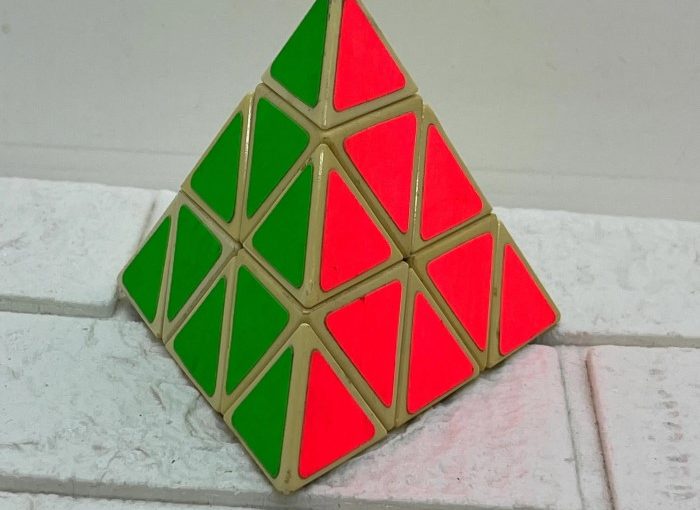
Introduction: Discovering Triangle Rubik’s Cube Pattern
The triangle Rubik’s cube pattern, commonly known as the Pyraminx, is not just about solving the puzzle; it also offers an exciting opportunity to create visually stunning patterns. This guide will present some of the most impressive patterns you can learn, showcasing your cubing skills and artistry. Whether you’re a seasoned cuber or a beginner looking to break out of the standard solve, mastering these patterns is sure to leave your friends amazed. Learn how to impress with elegance and complexity!
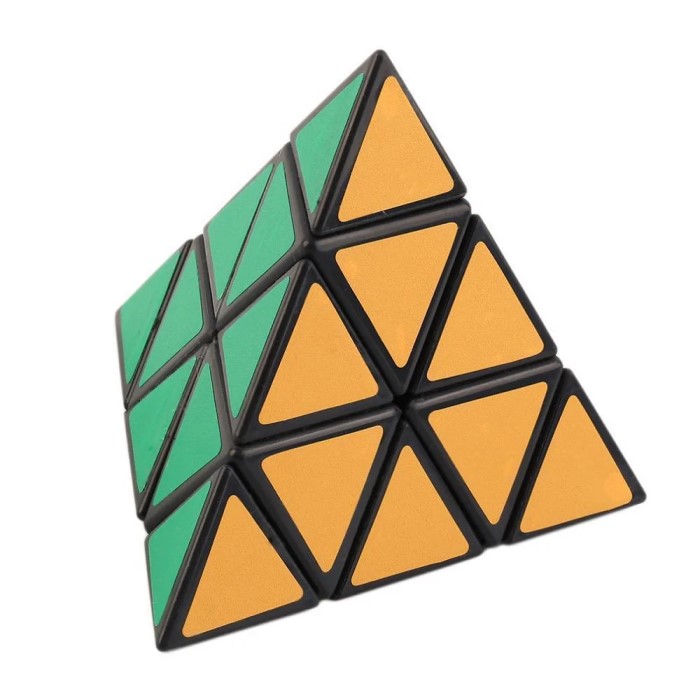
Understanding the Triangle Rubik’s Cube
1. What is a Triangle Rubik’s Cube?
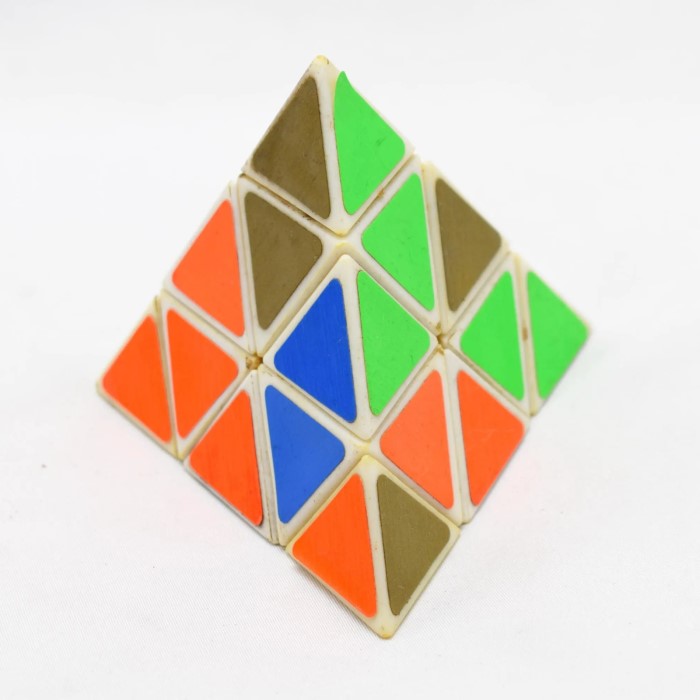
- Overview of the Pyraminx: The triangle Rubik’s Cube, or Pyraminx, is a tetrahedral twisty puzzle made up of four triangular faces. Each face can be independently manipulated, presenting a unique set of challenges compared to traditional cubic puzzles.
- Piece Configuration: The Pyraminx consists of three types of pieces: tip, edge, and center pieces. This configuration is what allows different moves and patterns to emerge, making it a unique addition to both competitive cubing and casual play.
2. Basic Moves and Notation
- Understanding Moves: Before diving into triangle rubik’s cube pattern, you need to understand the basic moves for the Pyraminx. Common moves include rotating a face clockwise or counterclockwise, as well as twisting tips. Familiarity with these moves is essential before attempting to create advanced patterns.
- Notation Guide: Remember standard notation when discussing moves. For example, rotating a face clockwise may be depicted as “R” while counterclockwise could be denoted as “R’.” This notation will help you follow instructions more easily as you learn new patterns.
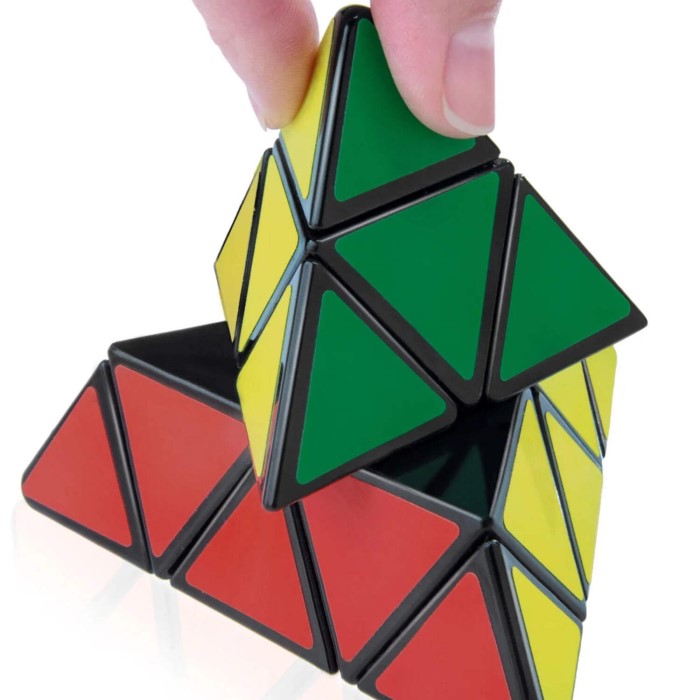
Popular Patterns to Master
1. The Checkerboard Pattern
- Creating the Pattern: This classic pattern creates alternating colors on each layer of the Pyraminx. To achieve this, you can follow a specific sequence of moves:
- Hold the Pyraminx with one face facing you.
- Rotate two adjacent corners.
- Twist the tips moving to create a checkerboard effect.
- Visual Appeal: The checkerboard pattern is visually striking and offers a sense of symmetry. Though simple to achieve, it leaves a lasting impression on those unfamiliar with the techniques behind it.
2. The Cube in a Cube Pattern
- Technique to Achieve It: This pattern gives the illusion of a smaller cube nestled within the edges of the larger cube. To create this:
- Start with a solved Pyraminx.
- Execute a series of rotations that focus on aligning specific edges.
- Impressive Factor: The cube in a cube pattern showcases advanced control over the cube, demonstrating your proficiency. This complexity is sure to captivate anyone watching.
3. The Flower Pattern
- Crafting the Flower: This creative pattern involves making an intricate flower shape with the colors of the cube. To create it:
- Rotate each face in a specific order.
- Use tips to adjust individual section placements.
- Artistry on Display: The flower pattern highlights the artistic side of cubing; this is not just about solving but also about visual creativity. By mastering this, you reveal your playful use of the puzzle.
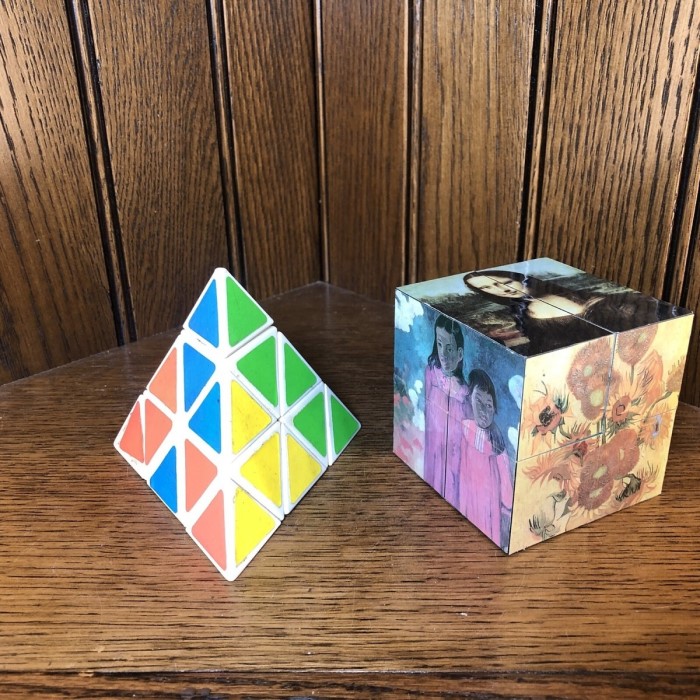
4. The Star Pattern
- Designing the Star: The star pattern uses the edges and tips to create a unique star configuration. Here’s how to do it:
- Begin with a solved Pyraminx.
- Execute a series of rotations focusing on edge turns to outline the star.
- Personal Touch: This pattern can be customized based on your color preferences, adding personal flair. Each variation of colors yields a different aesthetic that can impress your friends.
Advanced Techniques for Pattern Creation
1. Combining Patterns
Creating Unique Designs
1. Combining Individual Patterns
- Building on Familiarity: Once you’ve mastered individual patterns, such as the checkerboard or star pattern, you can explore the exciting world of combining them. This not only showcases your skills but also adds a personalized touch to your puzzle-solving experience.
- Example of Combination: For instance, you might start with a checkerboard pattern. This involves rotating pieces to create an alternating color effect across the faces of the triangle Rubik’s Cube. After achieving this, you can then transition into a star pattern, adding complexity to your design.
2. Experimenting with Different Combinations
- Variety in Designs: As you become more comfortable, consider experimenting with various combinations. You can mix simple patterns with more complex ones to create fresh and unique designs. This experimentation not only keeps the solving process exciting but also presents opportunities to discover new patterns.
- Documenting Combinations: Keeping a record of the combinations you create will help you remember them for future reference. This documentation can include not only the patterns themselves but also the algorithms used to achieve them, making it easier to recreate your designs later.
Strategic Planning
1. Thinking Ahead
- Importance of Planning: While merging patterns, strategic planning becomes crucial. It’s not just about performing random moves; rather, it’s about thoughtfully choreographing each step. This foresight leads to a more streamlined solving experience.
- Visualization Technique: Visualizing the final outcome before executing each move can help you stay focused and purpose-driven. Picture how the previous patterns will merge into the new design and how each action contributes to this visual goal.
2. Analyzing Moves
- Assessing Each Step: As you plan your moves, take time to assess how each action impacts the overall design. Pay attention to how combining the checkerboard with the star pattern affects surrounding pieces.
- Adjusting Your Approach: If you find that a certain move disrupts your intended design, be prepared to adjust your strategy. Flexibility in your approach allows for spontaneous decisions that enhance the final result. Consider the potential consequences of each move before committing to it.
3. Practicing Strategic Combinations
- Repetition Leads to Mastery: Regularly practicing the combination of patterns reinforces both your technical skills and your ability to think strategically. Through repetition, your understanding of how pieces interact grows, leading to more effective combinations in the future.
- Simulating Different Scenarios: Engage in practice sessions where you specifically focus on combining patterns. Try to create new designs under timed conditions to cultivate quick thinking and decision-making abilities during solving.
2. Utilizing Algorithms
- Implementing Known Sequences: Advanced cubers often use specific algorithms for complex patterns. Familiarizing yourself with these algorithms allows you to construct patterns more efficiently.
- Practice is Key: Repeating these sequences solidifies your understanding and enhances muscle memory, ultimately leading to smoother executions.
Tips for Mastering Patterns
1. Regular Practice
- Consistency is Crucial: Like any skill, mastering triangle Rubik’s Cube pattern requires regular practice. Set aside dedicated time to work on new patterns continually.
- Incremental Learning: Start with simpler patterns and gradually work your way up to more complex ones. This incremental approach builds your confidence and competence.
2. Join a Community
Engagement with Other Cubers
- Join Local Cubing Groups: Look for cubing clubs or groups in your area. Participating in local meetups or events allows you to connect with other cubers who share your passion. These gatherings can range from casual meetups in parks to organized competitions.
- Participate in Online Communities: Explore online forums, social media groups, and dedicated websites focused on cubing. Platforms like Reddit, Facebook, and Discord have active cubing communities where you can ask questions, share experiences, and learn from others.
- Share Techniques and Tips: Engaging with fellow cubers provides a platform for exchanging valuable tips and techniques. You can learn different solving methods, practice strategies, and discover how other cubers approach challenges.
- Attend Competitions and Events: Participating in cubing competitions, either as a competitor or a spectator, can enrich your experience. You’ll have the opportunity to meet experienced cubers, watch various solving styles, and gain insights that can enhance your own skills.
- Collaborate on Projects: Work with other cubers on joint projects, such as creating tutorials, sharing videos, or developing new algorithms. Collaborative efforts can lead to a deeper understanding of cubing and foster a sense of community.

Seek Inspiration
- Exchange Ideas with Others: Engaging with members of the cubing community can spark new ideas and approaches. Conversing about different cubing techniques may lead you to discover alternative solving methods and patterns that you hadn’t considered before.
- Discover New Patterns: Through community interactions, you can find inspiration for new patterns or methods of solving. This discovery not only adds variety to your cubing practice but also challenges you to expand your skill set.
- Observe Advanced Solvers: Watching how experienced cubers solve puzzles can provide insight and motivation. Analyzing their techniques can help you integrate new strategies into your own cubing practice, enhancing your overall skill level.
- Take Part in Challenges: Community-hosted challenges are excellent opportunities to push your limits and explore different aspects of cubing. These challenges may encourage you to try new puzzles or experiment with solving techniques that you wouldn’t normally use.
- Document Your Progress: Sharing your progress with the community can serve as motivation. Members will often offer feedback and suggestions that can inspire further improvement, leading to a richer, more rewarding cubing journey.
Frequently Asked Questions
How can I create triangle Rubik’s cube pattern?
To create triangle Rubik’s Cube pattern, start by familiarizing yourself with basic moves and common algorithms. Practice specific sequences, focusing on maintaining control while experimenting with different combinations.
Are there more complex patterns to try?
Yes! Once you master basic patterns, explore combining them or creating your own unique designs. Advanced cubers often develop custom patterns that showcase their skill and creativity.
How can I impress my friends with these patterns?
Showcasing visually striking patterns like the flower or cube in a cube can greatly impress your friends. Additionally, involve them in the learning process by explaining the sequences as you perform them.
What are some common mistakes when creating patterns?
Many beginners overlook the importance of consistent moves and may rush through the pattern. Slowing down to focus on precision can prevent errors, resulting in cleaner creations.
Conclusion: Mastering Patterns to Impress
In conclusion, learning triangle Rubik’s cube pattern can significantly elevate your cubing skills and impress your friends. As you familiarize yourself with the basics and explore more complex techniques, don’t forget that practice is key. Regularly honing your skills will allow you to tackle challenging configurations with ease and creativity.
By mastering various patterns, including the checkerboard, the cube in a cube, or the star, you showcase not only the mathematical beauty of the puzzle but also your dedication to learning. As you continue your journey, experiment, create, and share with others. Ultimately, the world of the triangle Rubik’s Cube is full of opportunities to explore and amaze! So, grab your Pyraminx and start crafting those stunning patterns today!