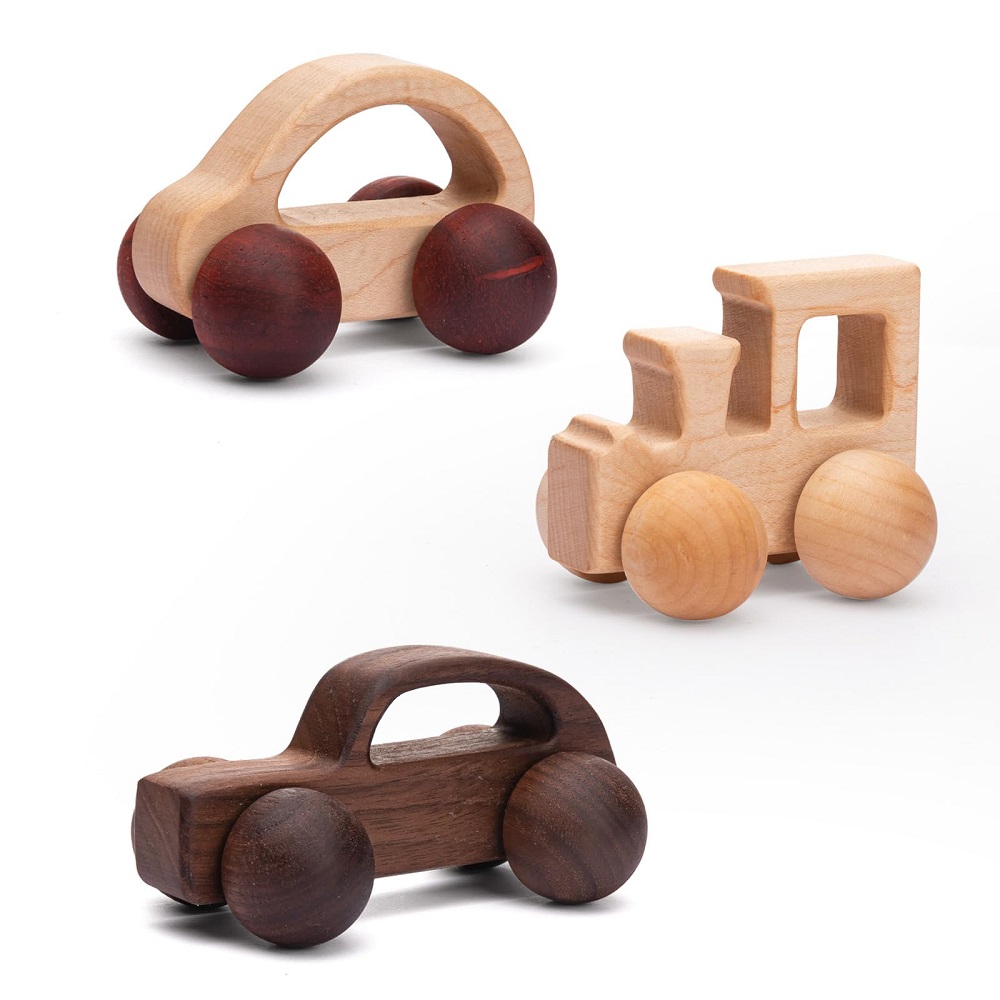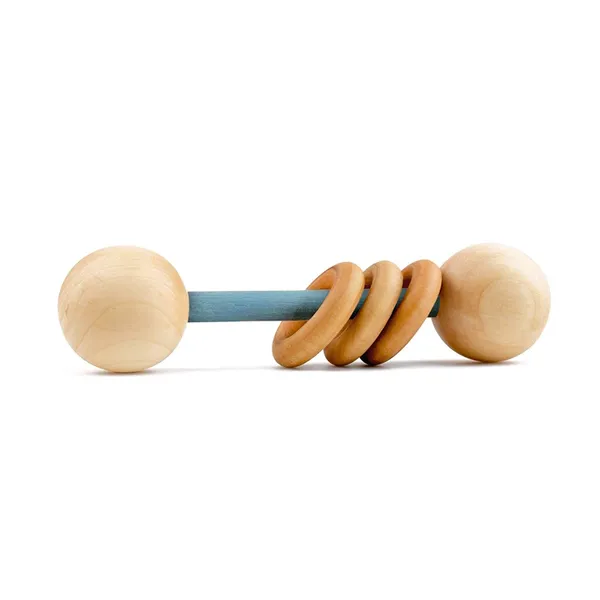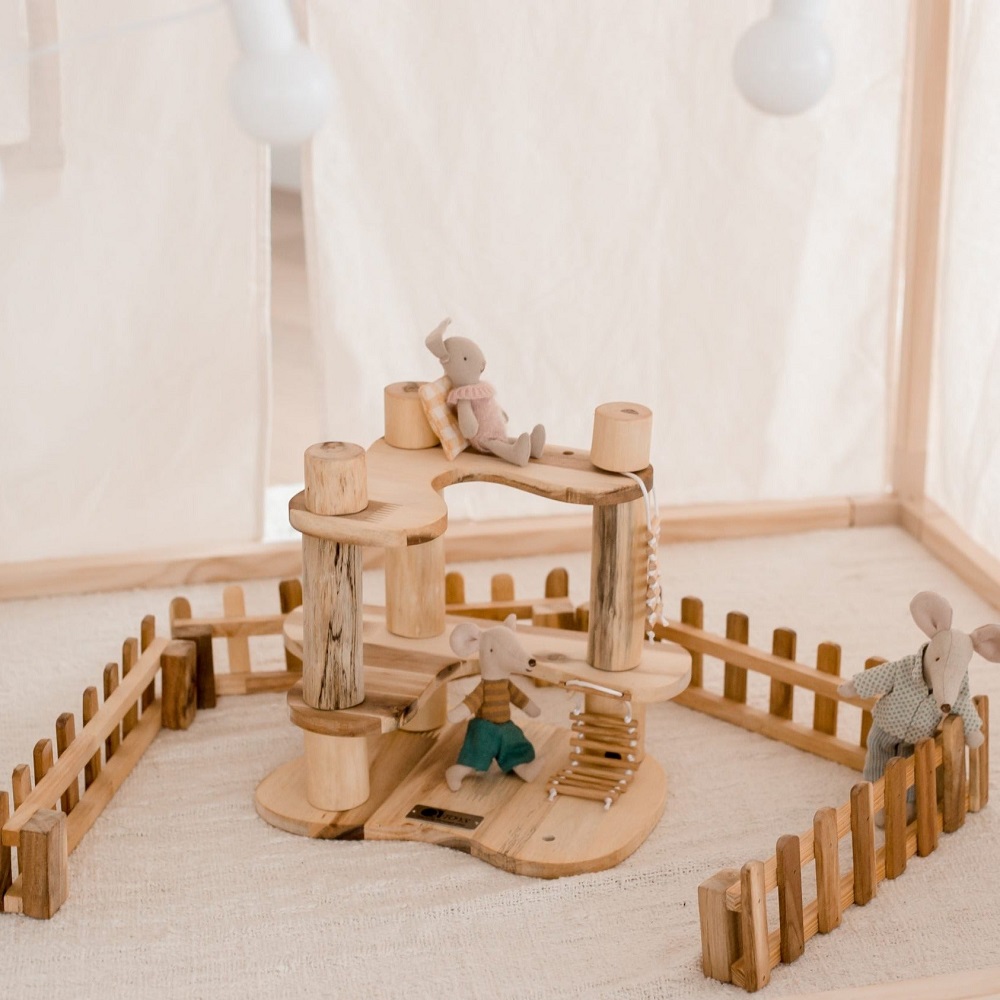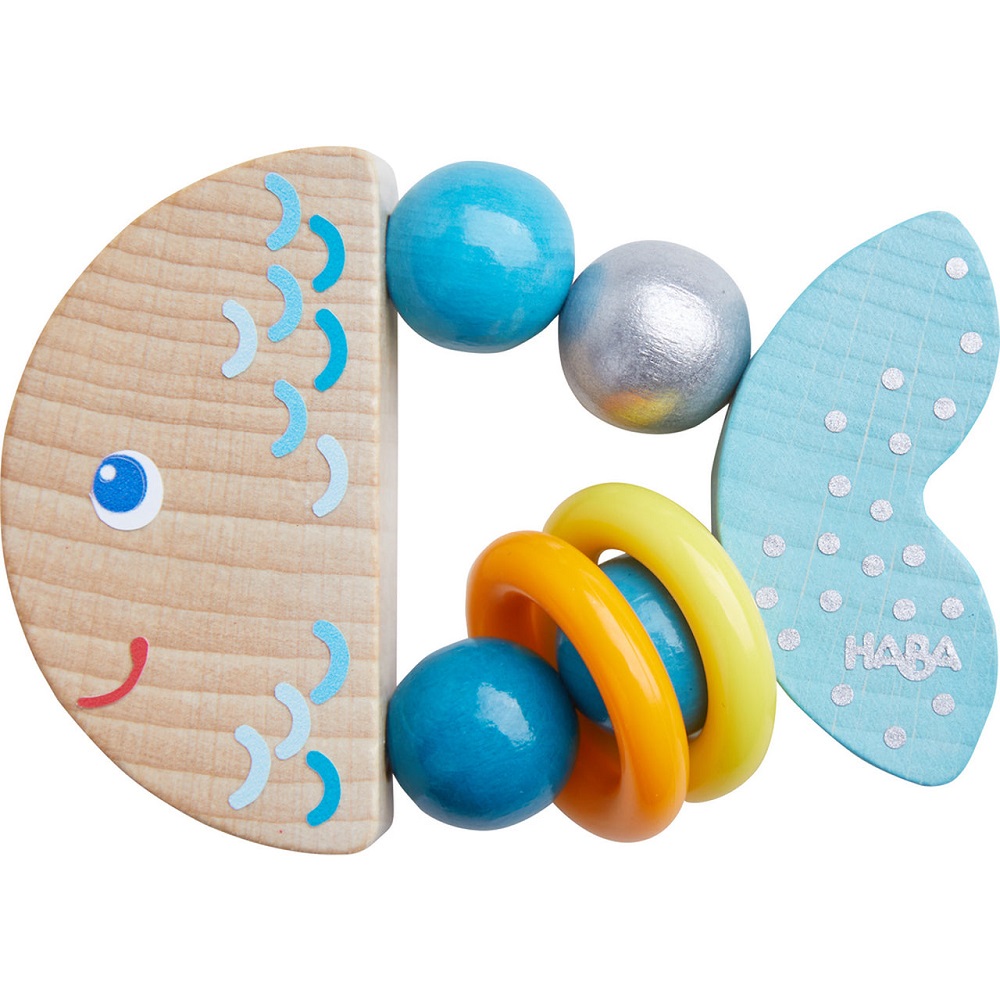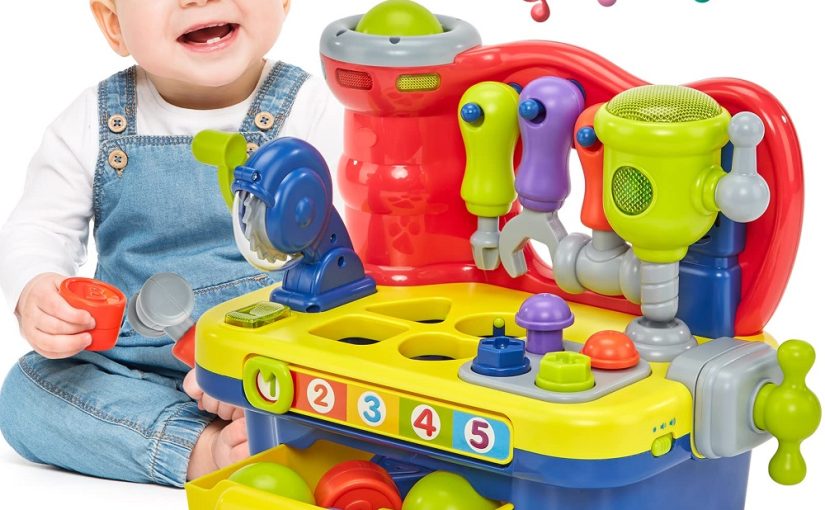
Baby Development Toys: Boosting Skills Through Fun and Play

Choosing the right toys for babies is crucial for their growth and development. Baby development toys serve an essential purpose in enhancing various skills while providing entertainment. These toys can stimulate cognitive abilities, encourage motor skills, and promote social interaction. In an age when parents seek to engage their little ones meaningfully, the market is filled with innovative options. This article explores how different baby development toys aid in boosting skills through fun and play.

The Importance of Play in Early Development

Play as a Learning Tool

Play is often referred to as the language of children. When babies play, they engage in critical learning activities that help shape their future. Through play, babies learn to explore their environment, develop relationships, and understand the world around them. Research has shown that play promotes cognitive, physical, social, and emotional development.

From birth to two years, a baby’s brain develops at an astonishing rate. During this time, play provides a foundation for the skills they will build upon as they grow. Interactive play helps babies learn cause and effect, enhances their problem-solving abilities, and fosters creativity. Parents and caregivers play a vital role in guiding these play experiences.

Types of Play

There are different types of play that contribute to a baby’s overall development. Sensory play involves activities that stimulate the senses, such as touch, taste, sight, sound, and smell. Games that engage a baby’s senses help develop neural pathways in the brain, leading to better sensory processing later in life.

Physical play is equally important, helping babies develop gross and fine motor skills. Activities like crawling, reaching, and grasping strengthen muscles and enhance coordination. Social play, often involving parents or siblings, promotes interaction and communication. This variety ensures well-rounded development and helps babies become confident, capable individuals.

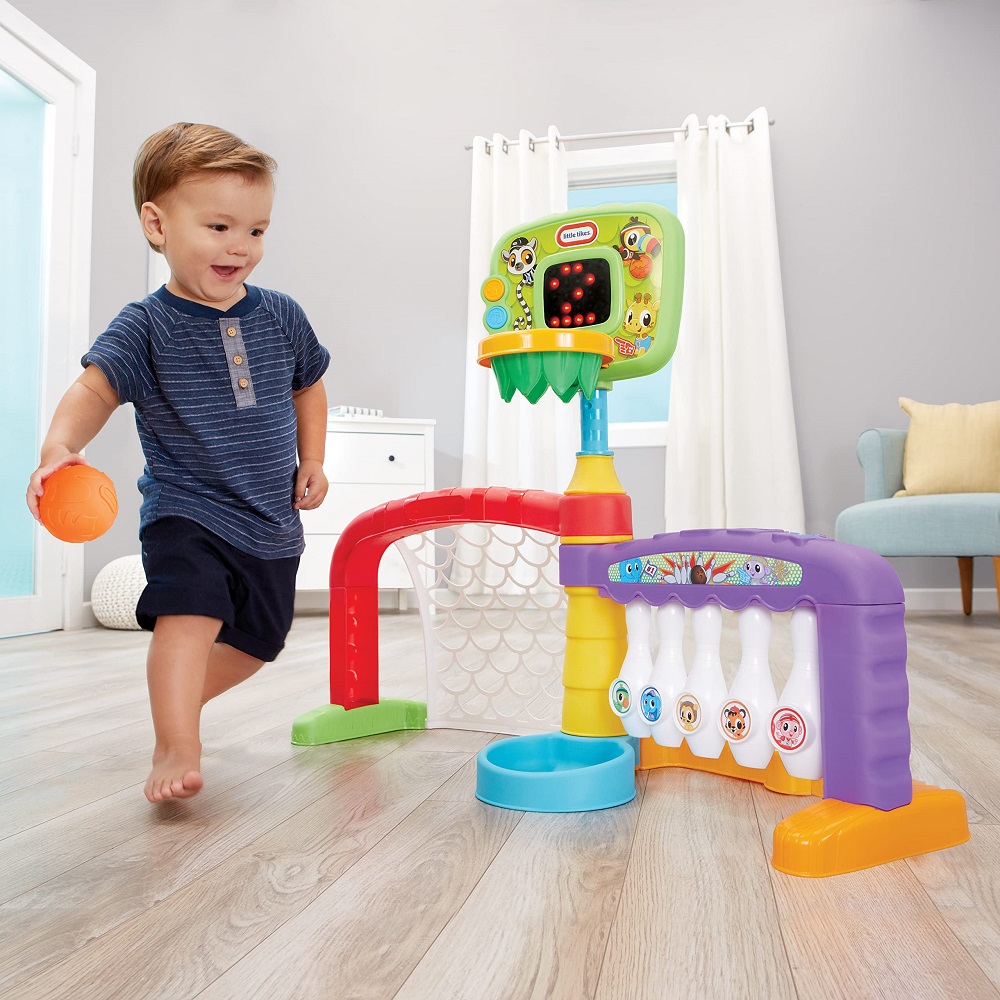
baby development toys

Choosing the Right Development Toys

Age-Appropriateness

When selecting development toys for babies, it is essential to consider their age and developmental stage. Toys designed for younger infants should be simple, safe, and engaging. As babies grow, their toys should evolve to challenge their developing skills.

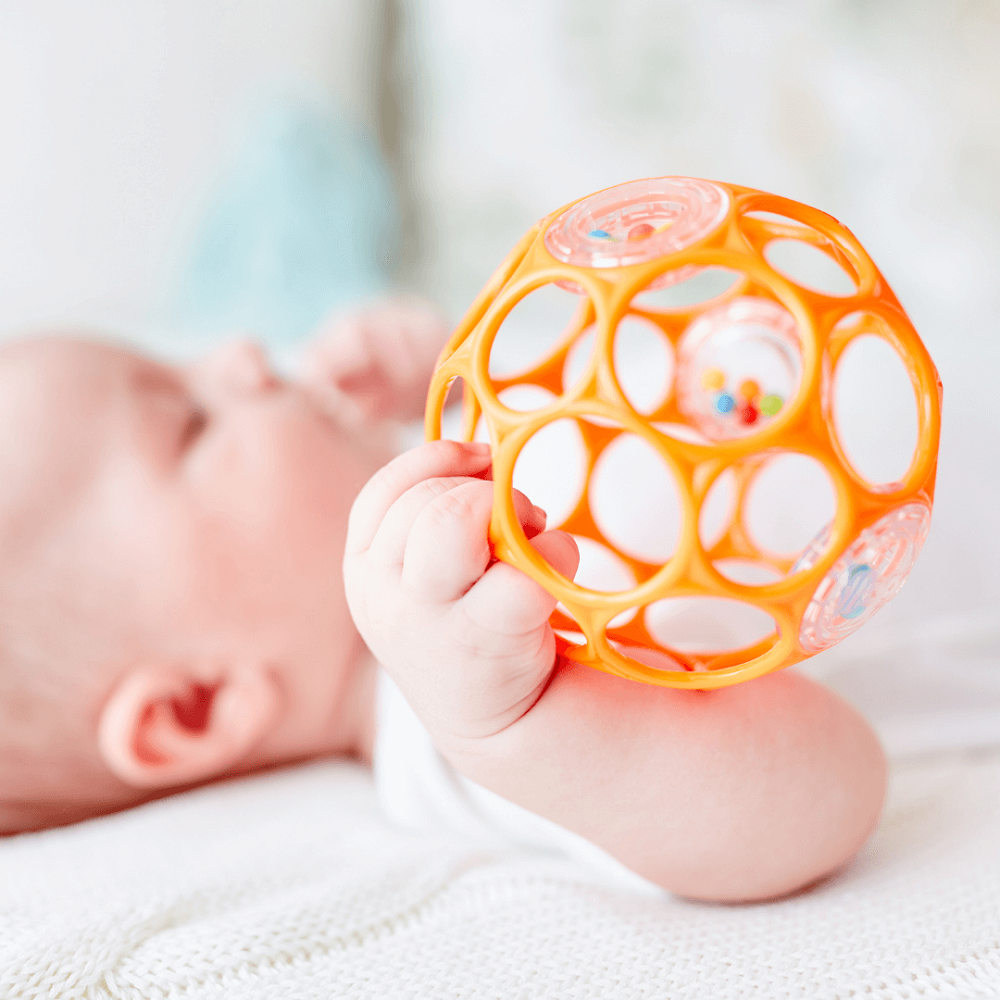
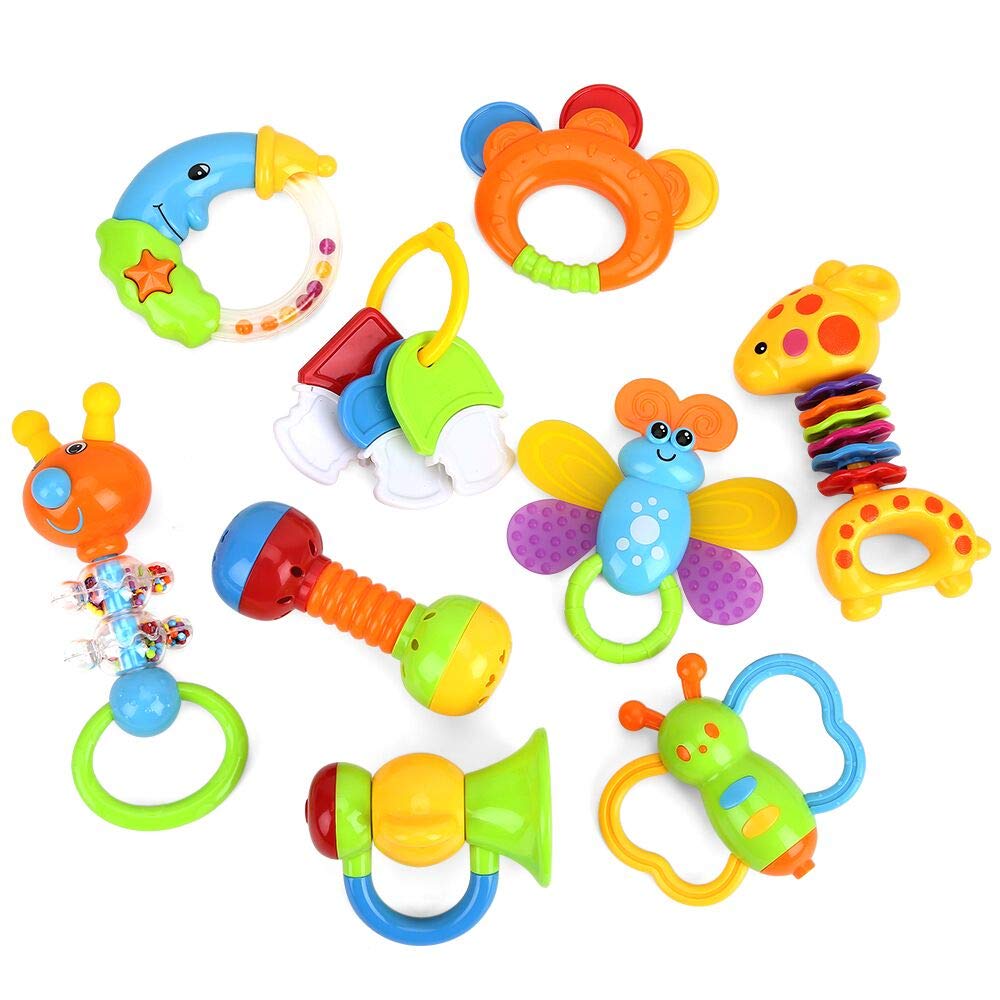
For newborns, colorful soft toys or rattles stimulate visual and auditory senses. As babies reach six months, they require toys that encourage them to grasp, shake, and explore. By the time they are closer to a year old, toys with buttons, lights, or moving parts can captivate their attention and promote problem-solving skills.

Safety Considerations

Safety is paramount when selecting baby development toys. Always choose toys made from non-toxic materials that are free from small parts to avoid choking hazards. Checking for labels and certifications indicating safety standards can provide peace of mind.

Moreover, consider the durability of the toys. Babies tend to explore everything with their mouths, so select toys that can withstand rough handling and cleaning. Understanding safety guidelines can help in making informed decisions that support the well-being of your child.

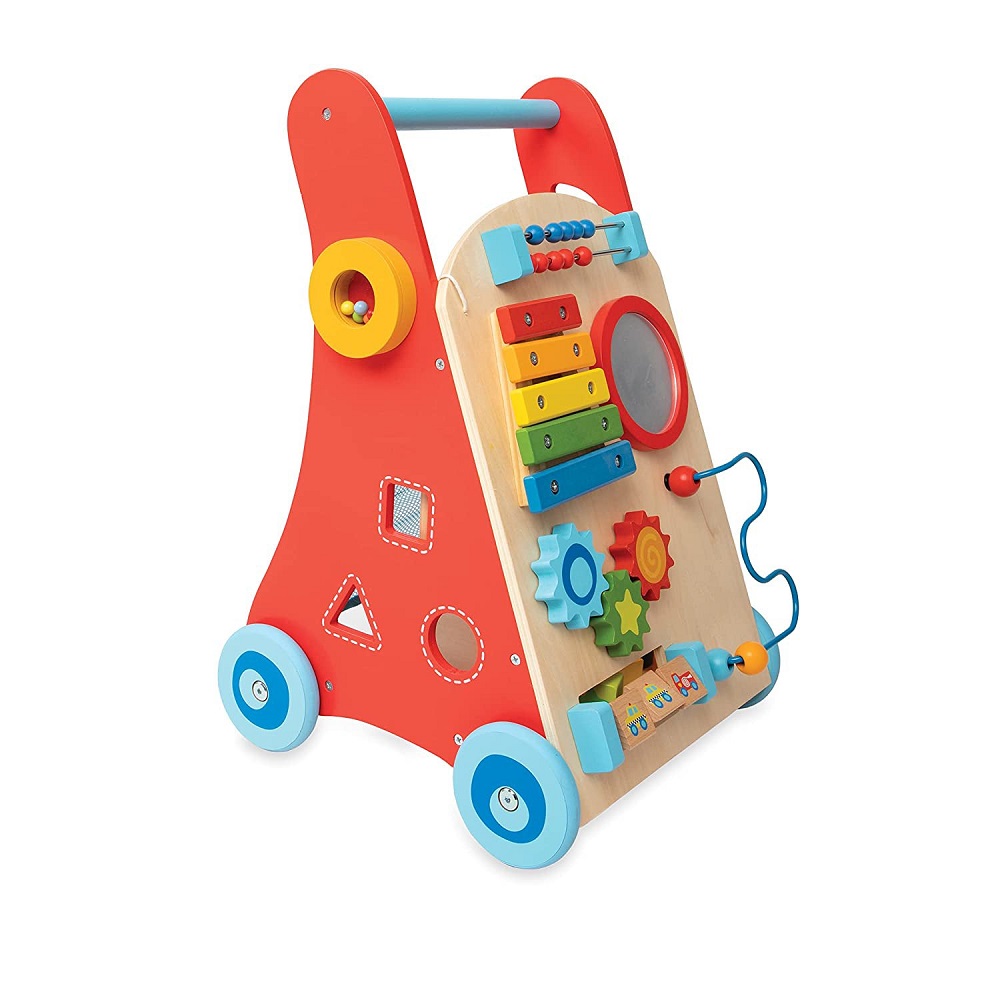
wooden-baby-walker

Types of Development Toys for Babies

Sensory Toys

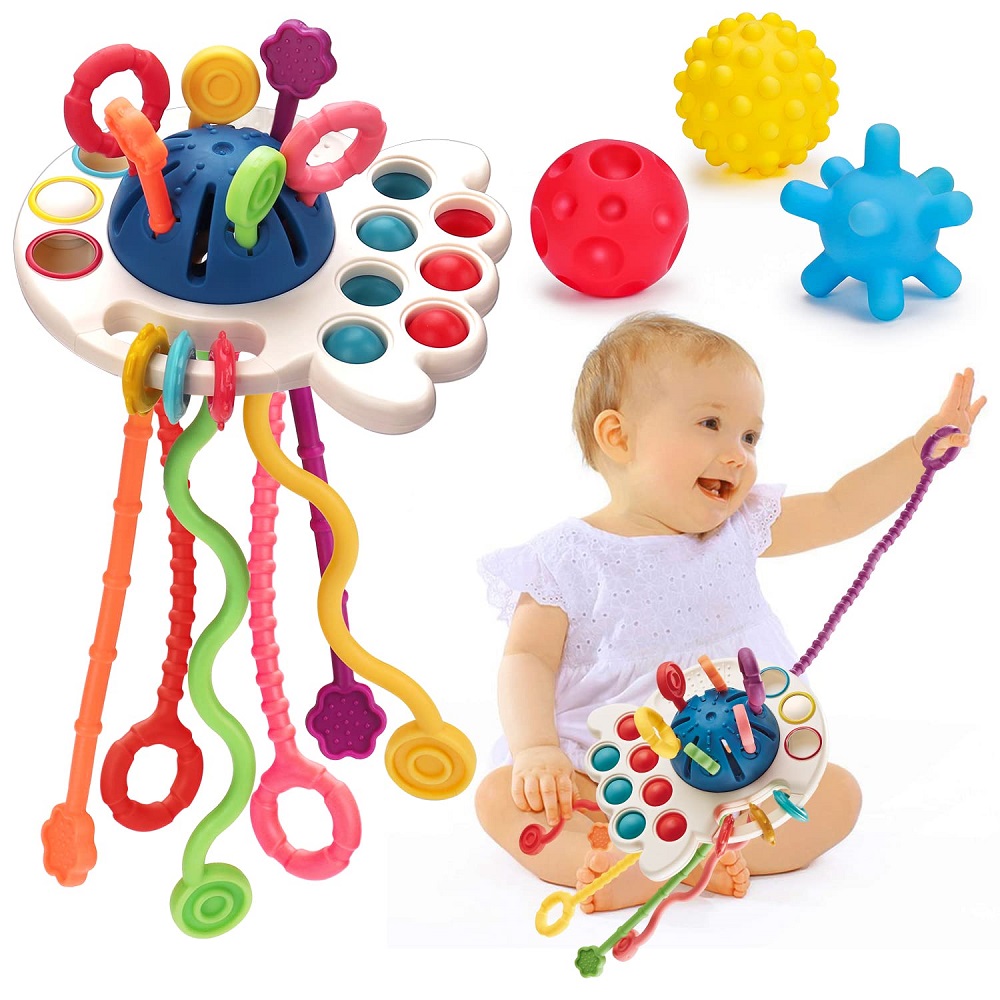
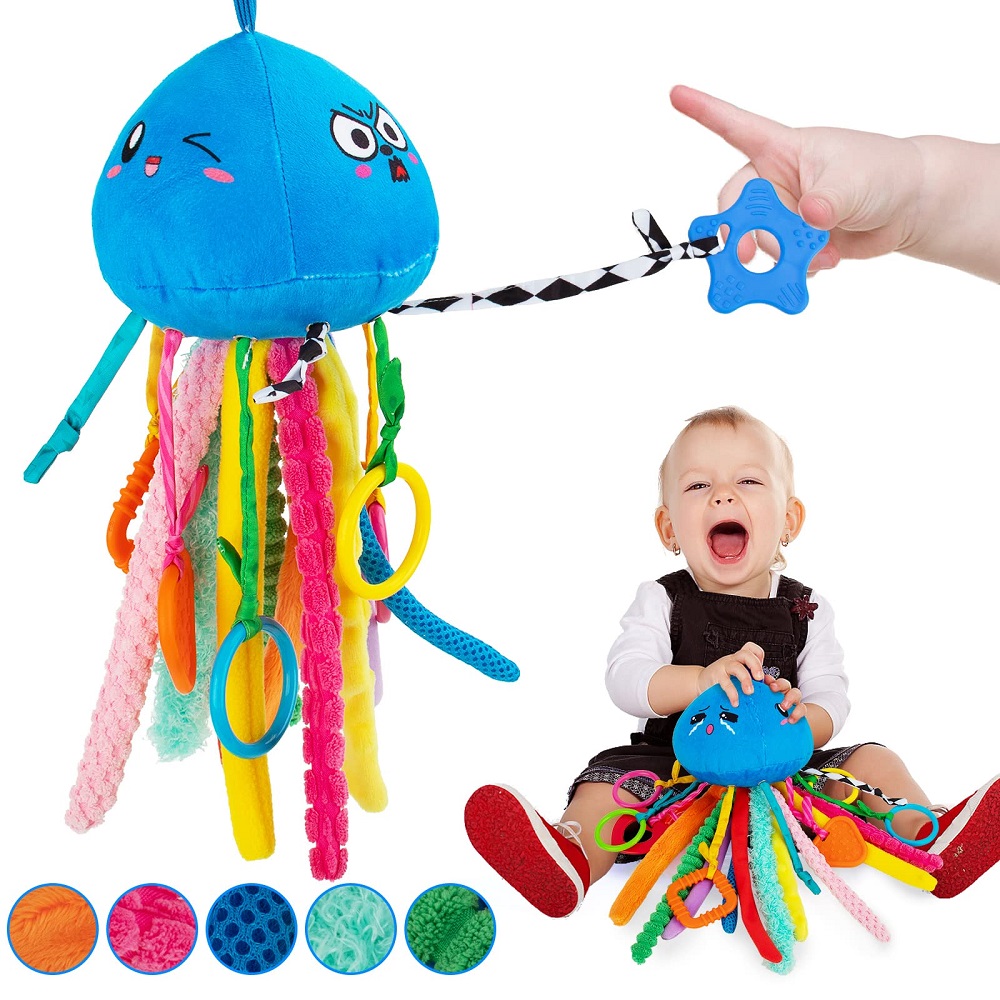
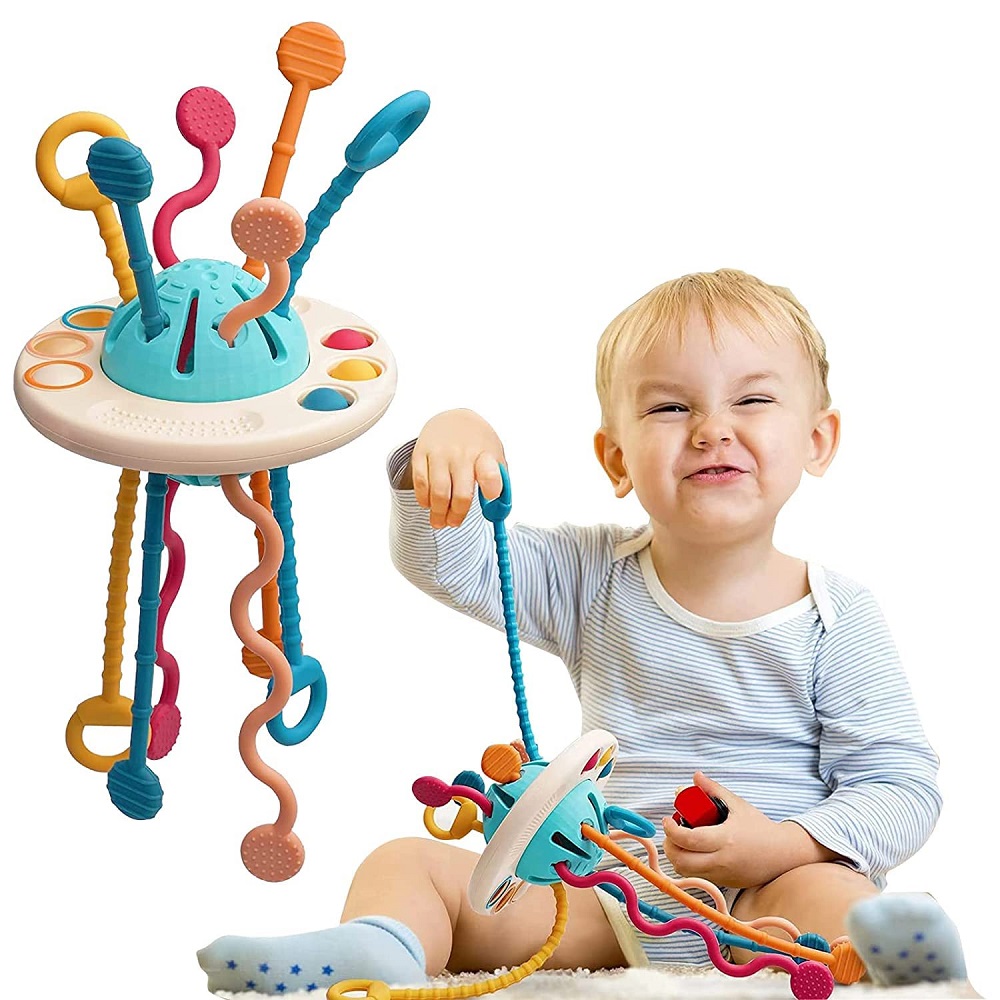
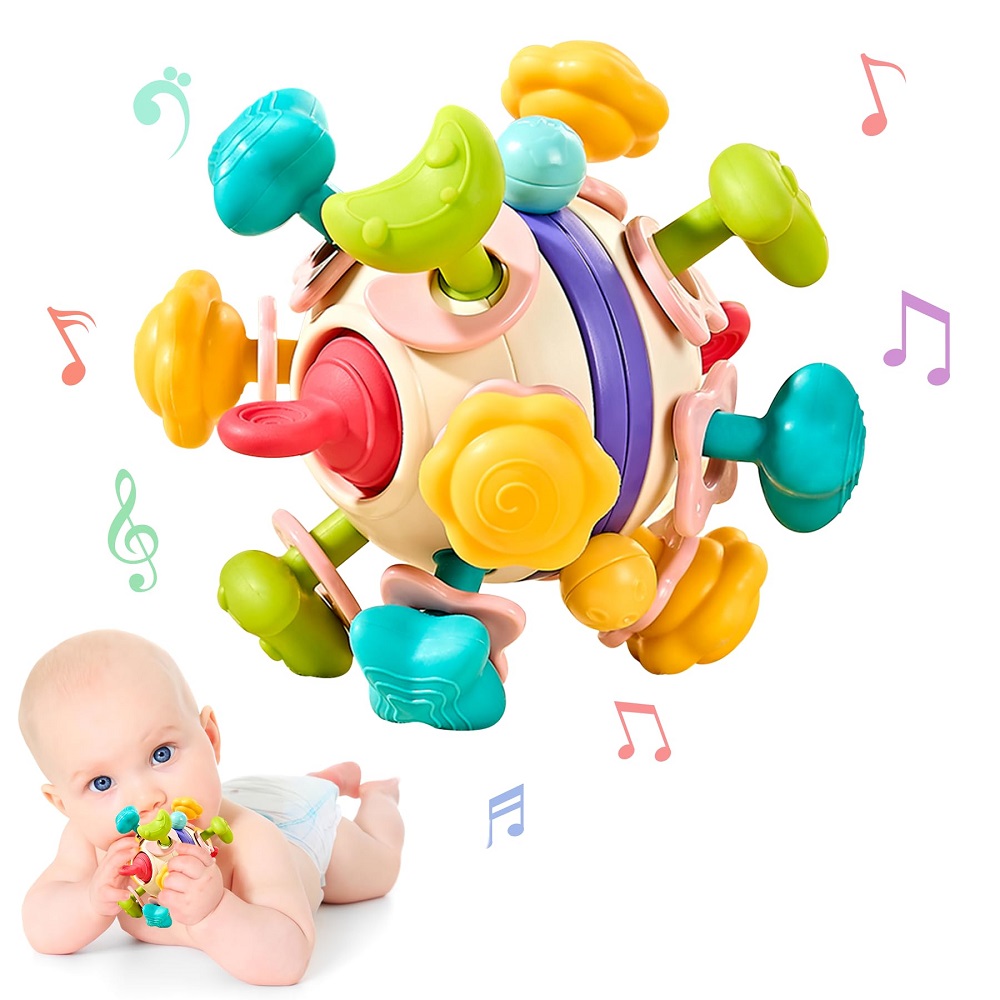
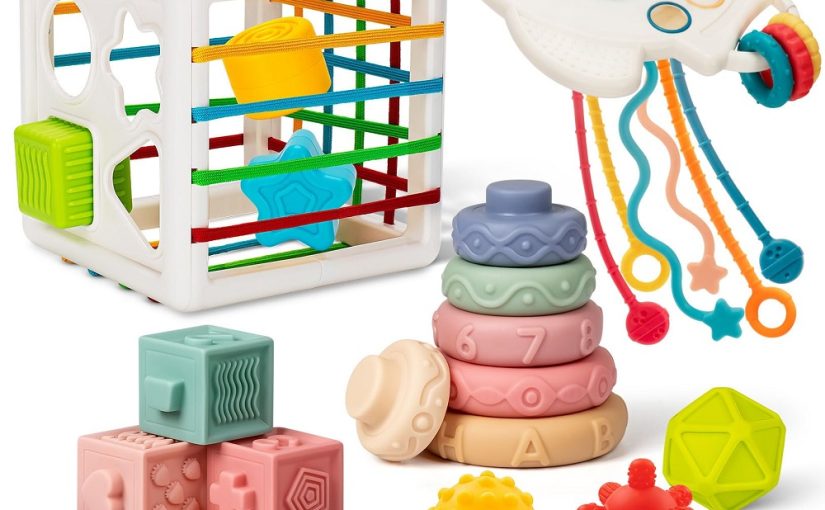
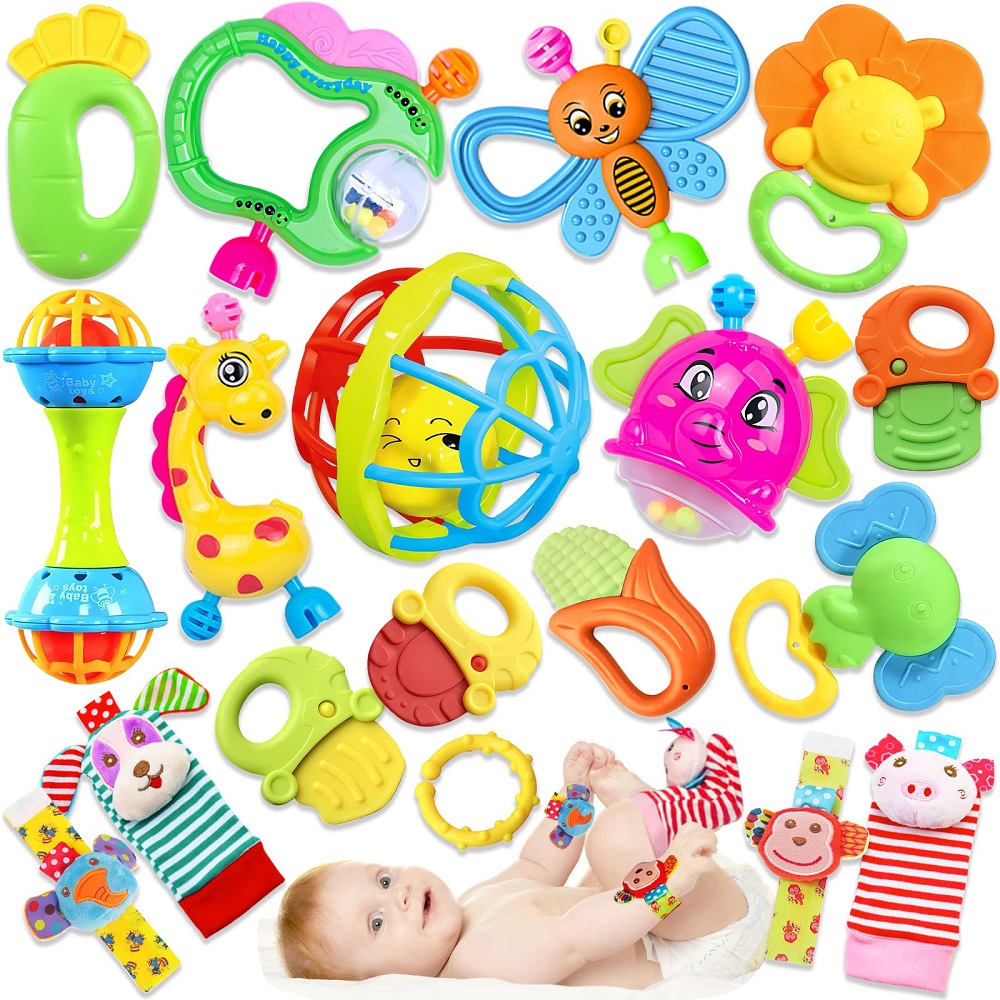
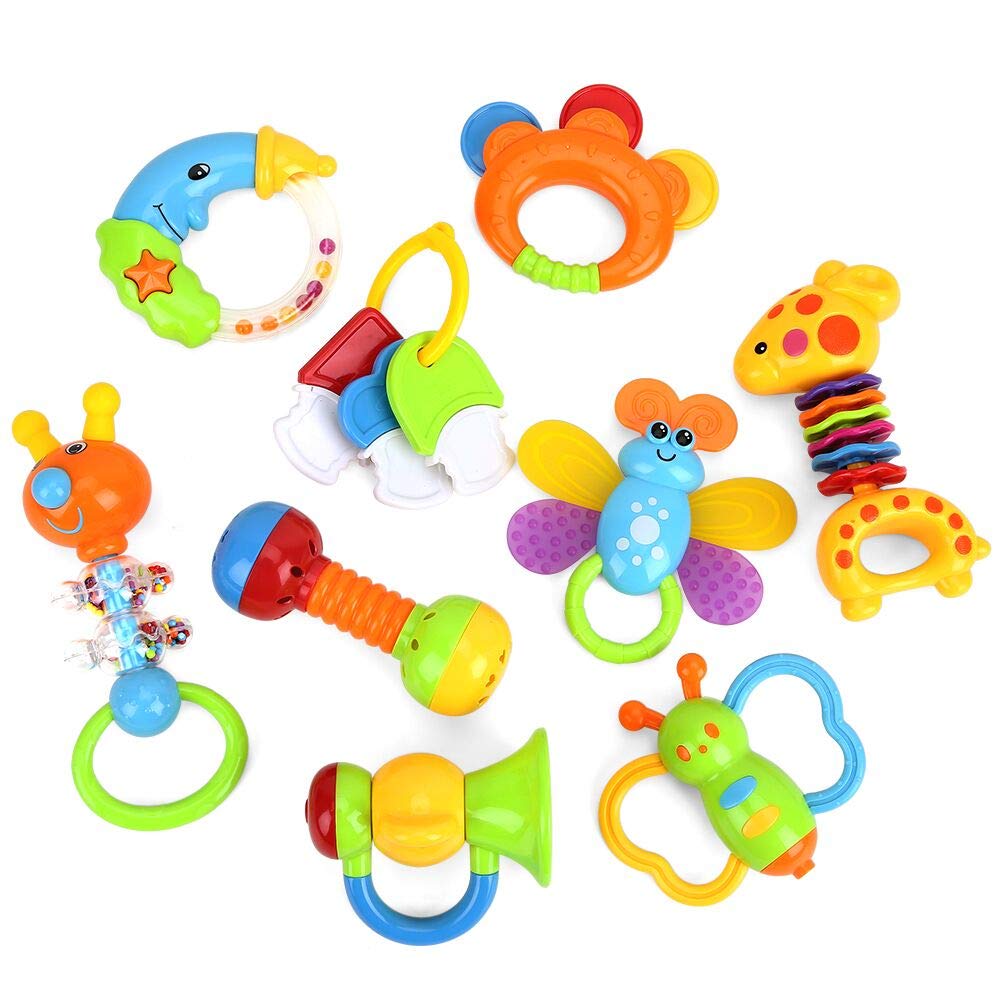
Sensory toys are designed to engage a baby’s senses and promote exploration. These toys come in various forms, including textured blocks, soft squeeze toys, and multi-colored rattles. Sensory toys can stimulate touch, sight, and sound, providing a rich sensory experience.

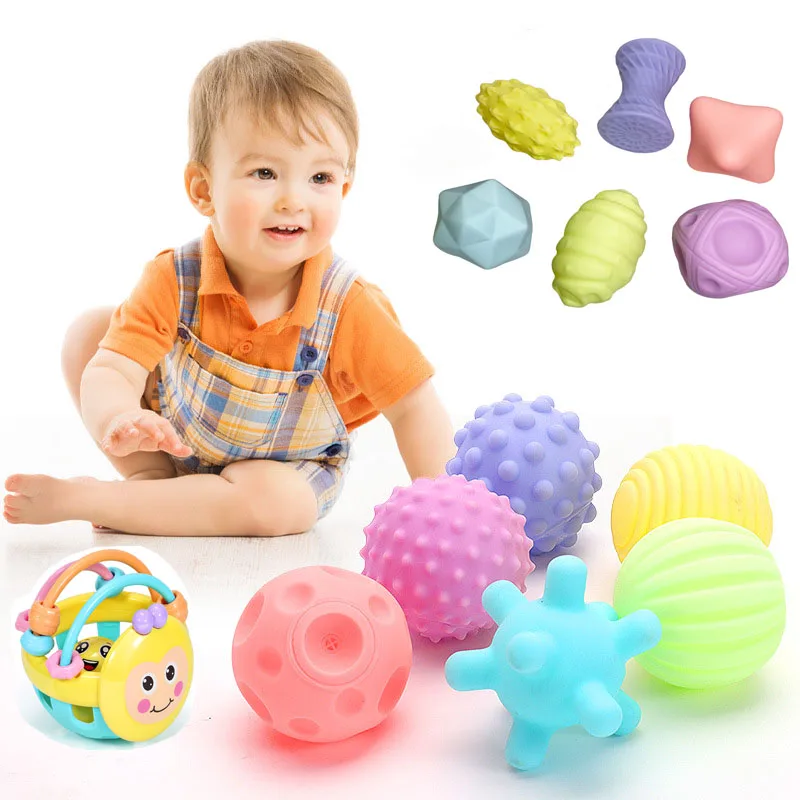
For example, a set of textured balls with different surfaces can encourage tactile exploration. Babies can feel the smoothness, bumps, and ridges while learning how to grip and manipulate objects. Sensory play encourages curiosity and cognitive development, laying the groundwork for future learning.

Soft Toys

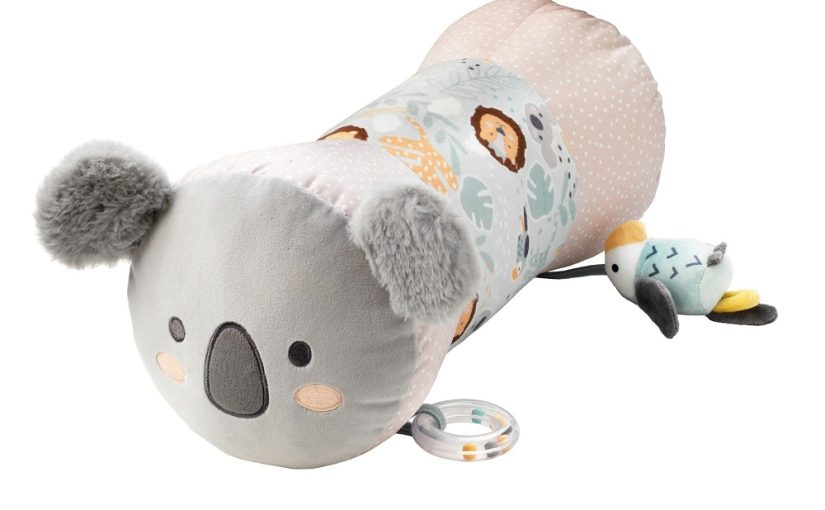
Soft toys play a vital role in a baby’s early development. These cuddly companions not only provide comfort but also offer opportunities for imaginative play. Soft toys can range from simple plush animals to more interactive styles with attached teethers or crinkle sounds.

When babies cuddle or hug soft toys, they experience emotional connection and security. Additionally, introducing them to various characters can spark imaginative play, even at an early age. These toys help in fostering social-emotional skills as babies learn to express affection and empathy.

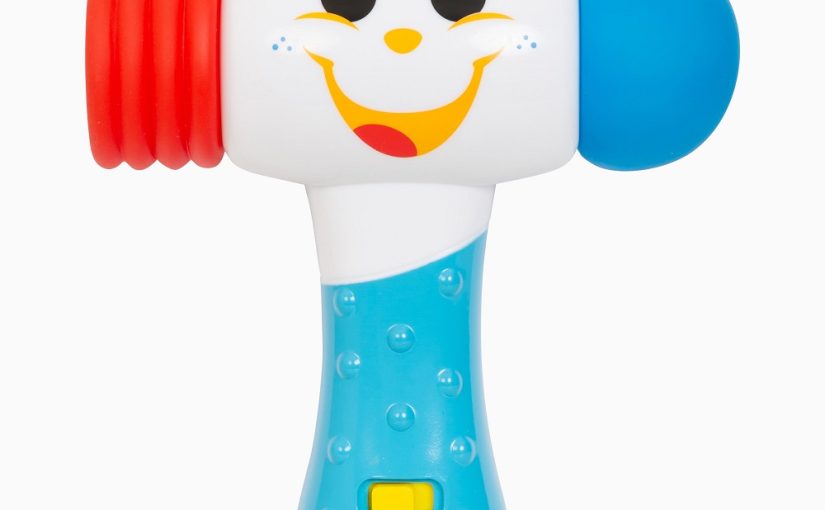
baby toy

Motor Skill Development through Play

Gross Motor Skills

Gross motor skills involve the use of large muscle groups, allowing babies to perform movements such as crawling, sitting, and walking. Toys that encourage movement can significantly contribute to developing these skills.

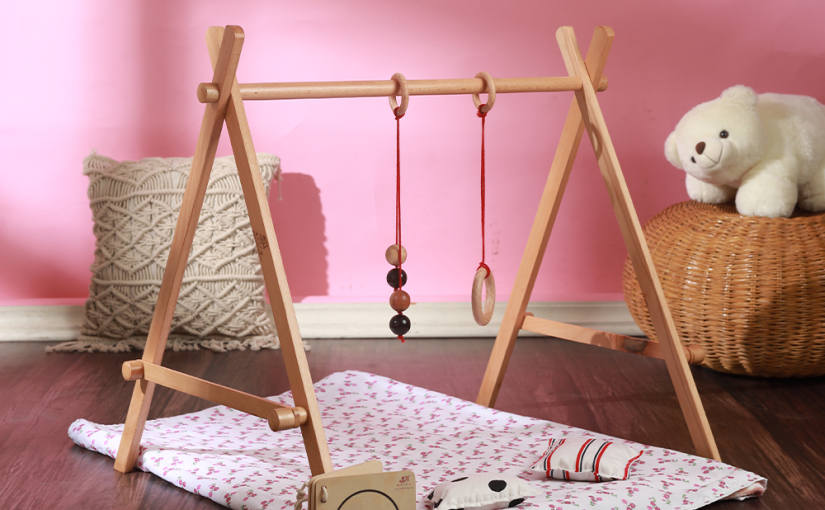
Activity gyms and playmats with hanging toys promote reaching and grasping. These setups encourage babies to strengthen their muscles as they stretch for toys. As they grow older, push toys and walkers can assist in practicing balance and coordination, leading to confident walking.

Fine Motor Skills

Fine motor skills require more precise movements involving smaller muscle groups. Toys that encourage grasping, stacking, and manipulation are excellent for fine motor development. Blocks, pegboards, and stacking cups allow babies to practice hand-eye coordination and dexterity.

Engaging in activities such as placing blocks on top of one another helps babies develop control over their movements. As they experiment, they learn about balance and spatial awareness. These skills are essential for tasks like writing and self-feeding as they grow and develop.

baby

Cognitive Development through Innovative Toys

Interactive Learning Toys

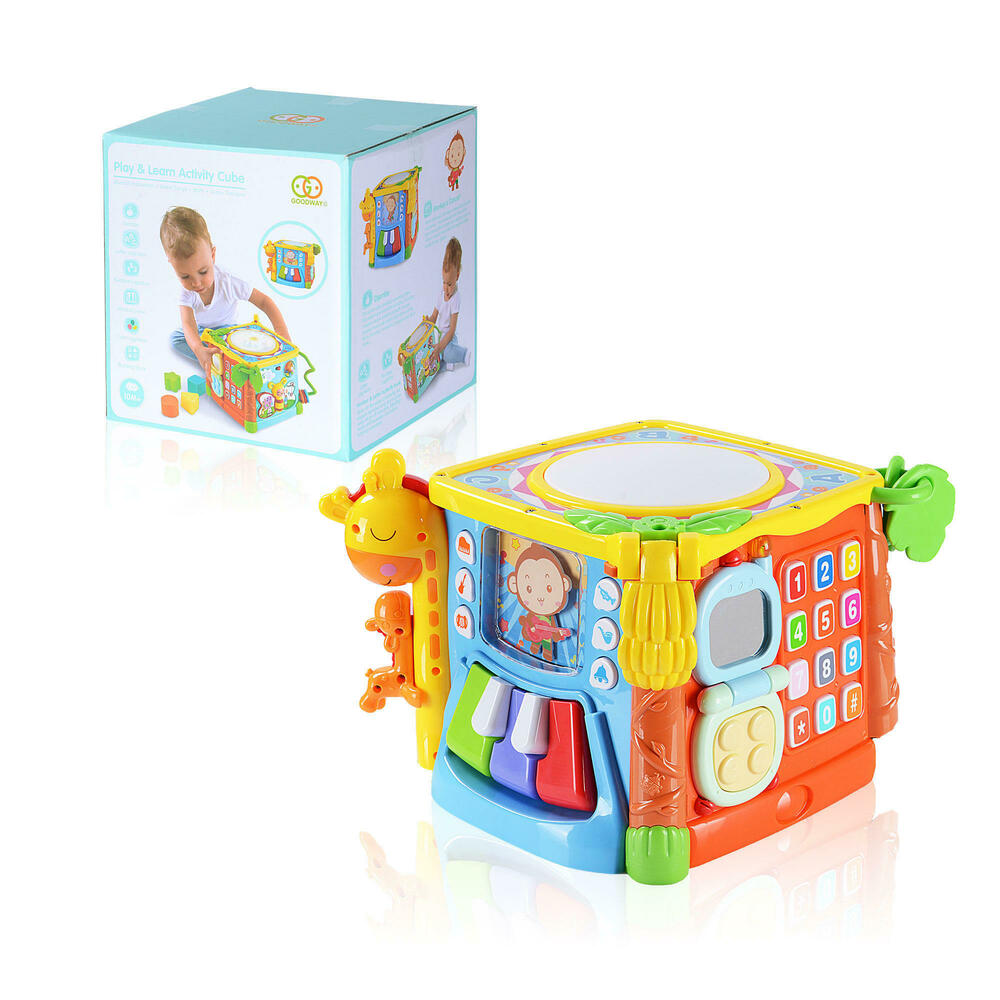
Interactive learning toys are designed to engage babies with sounds, lights, and various modes of play. These toys often include buttons, levers, and touch-sensitive surfaces to stimulate exploration and learning. Many toys are geared toward teaching letters, numbers, shapes, and colors in a fun and engaging way.

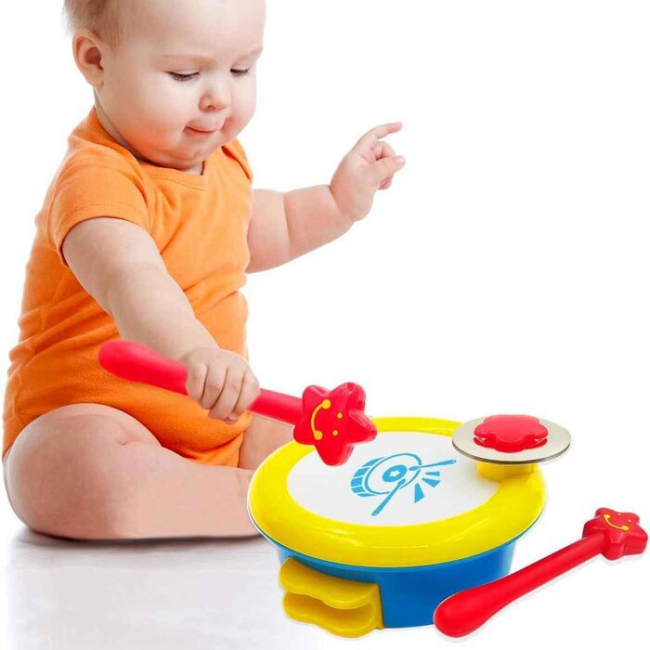
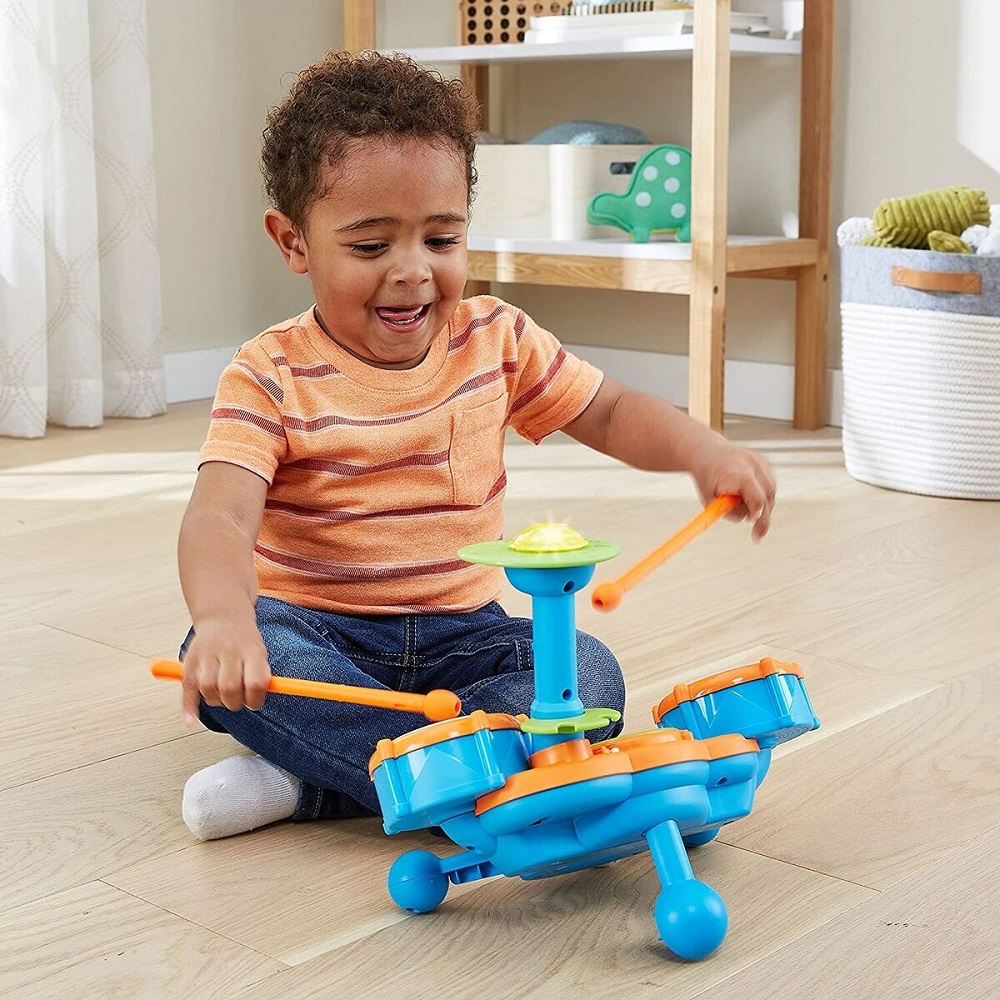
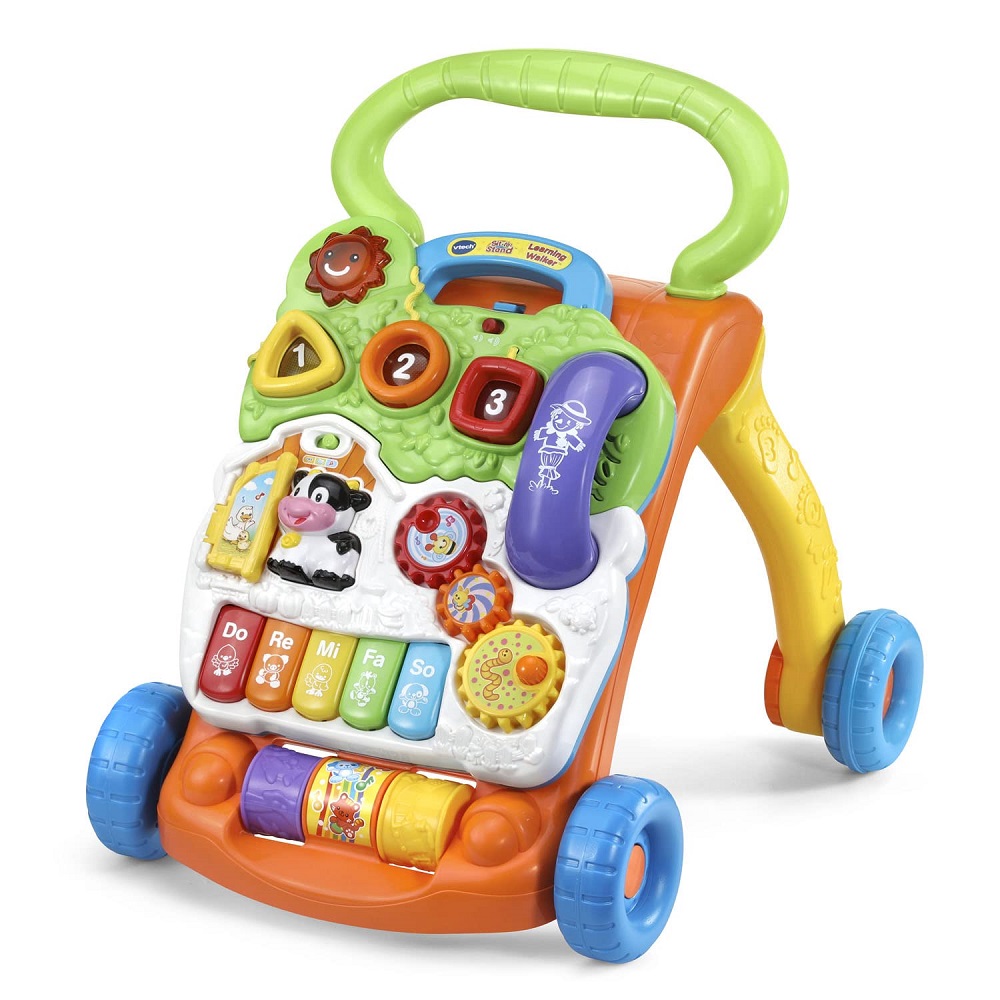
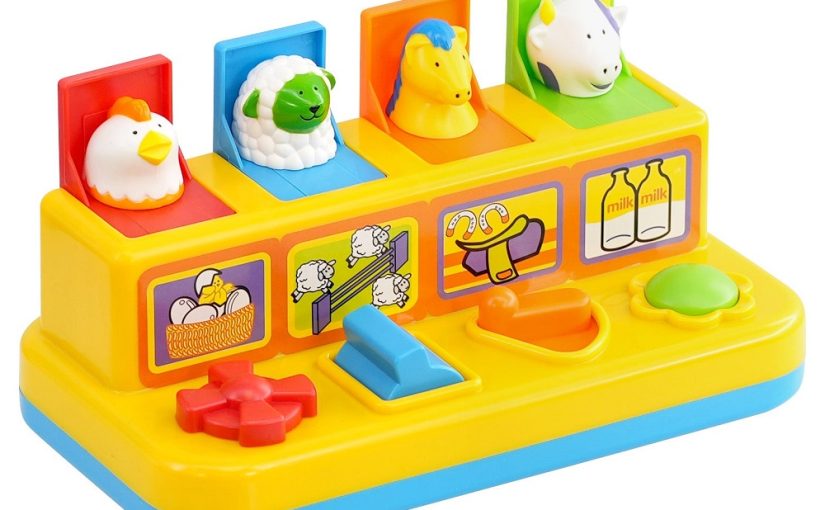
For example, a musical activity center can introduce babies to rhythms and melodies while promoting auditory development. By pressing buttons or turning knobs, they discover cause and effect, enhancing cognitive skills. Parents and caregivers can join in the fun, making playtime an opportunity for interaction and shared learning.

Puzzles and Problem Solving

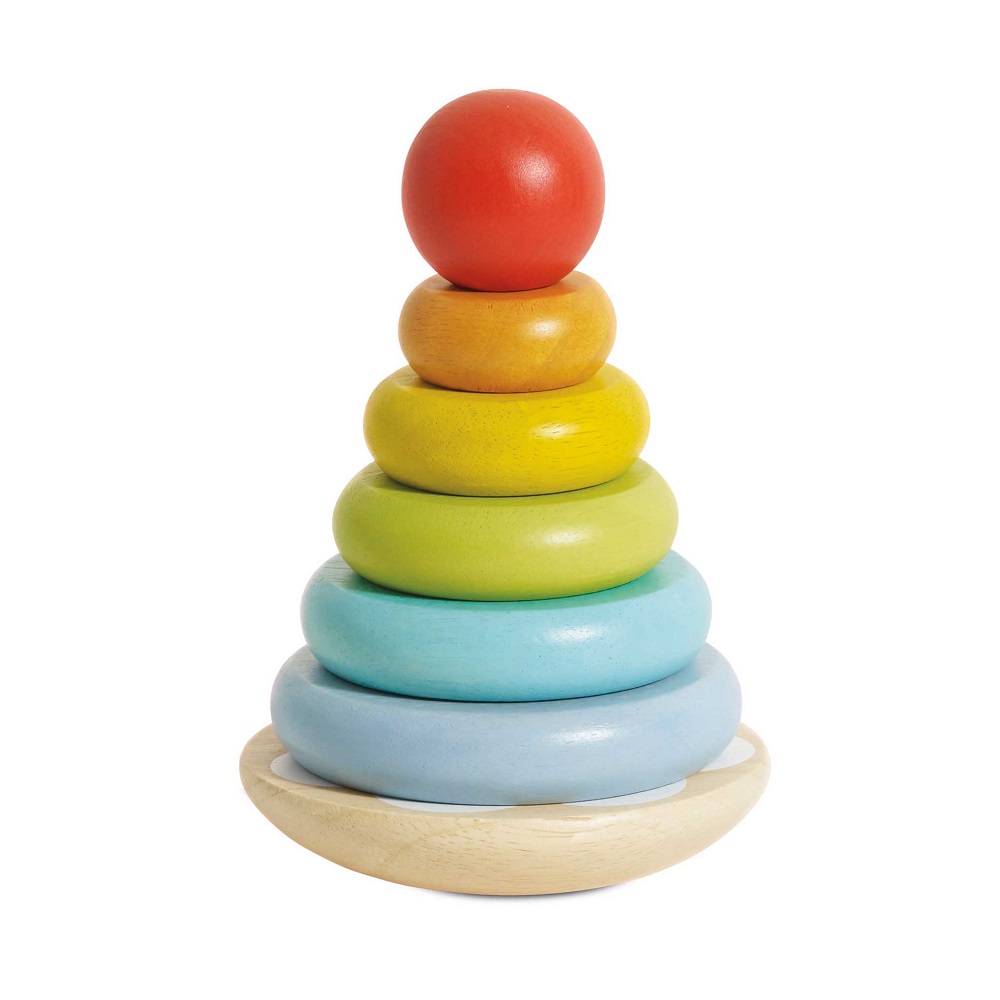
Puzzles and problem-solving toys promote critical thinking and cognitive development. Simple shape sorters or stacking rings encourage babies to identify shapes and sizes while enhancing their problem-solving abilities.

Engaging in puzzle play helps babies develop patience and persistence as they figure out how to fit pieces together. Working on these skills fosters independence and confidence in their abilities. Over time, babies will expand their understanding of spatial relationships and improve their cognitive skills.

Social Interaction through Play

Group Play and Collaboration

Playing with others is essential for developing social skills. Group play encourages babies to interact with siblings, peers, and caregivers, allowing them to learn important skills such as sharing, taking turns, and cooperation. Toys that promote group activities, such as large building blocks or collaborative games, facilitate social interaction.

When babies play together, they begin to understand the joy of companionship. This interaction lays the foundation for forming friendships and building stronger communication skills as they grow older. Social play can be highly beneficial for emotional development, helping babies navigate feelings and relationships.

baby

Role-Playing and Imaginative Play

Role-playing toys, such as kitchen sets or doctor kits, invite babies into a world of imaginative play. These toys allow them to explore different roles and scenarios while enhancing social skills. Through pretend play, babies can express their emotions and learn how to interact with others in various situations.

For example, a play kitchen encourages babies to mimic cooking, fostering creativity and role reversal. In this interactive environment, they may learn how to communicate their needs and desires effectively. This imaginative play is critical in developing empathy as babies learn to see things from others’ perspectives.

Long-Term Benefits of Baby Development Toys

Lifelong Learning Foundations

The skills babies acquire through play with development toys have lasting impacts on their future learning. Engaging with various toys lays the groundwork for a love of learning, curiosity, and exploration. As babies become accustomed to active problem-solving and creative thinking during play, these traits will serve them well in their educational journeys.

Additionally, the emotional and social skills developed during early playtimes foster resilience and interpersonal relationships. Learning how to communicate, share, and cooperate can contribute to their success in school and beyond. The foundation set during infancy and toddlerhood shapes how children interact with the world as they grow.

Strengthening Family Bonds

Playing with baby development toys together provides an opportunity for parents and caregivers to bond with their babies. They can create lasting memories by engaging in shared play experiences. This quality time strengthens emotional connections and provides reassurance to babies, promoting feelings of security and love.

Whether building with blocks, solving puzzles, or playing pretend, these activities create invaluable moments that benefit both the child and the adult. Encouraging play in a supportive environment also boosts confidence and self-esteem. The benefits of shared play extend beyond childhood, fostering family relationships that last a lifetime.

Embracing Play for Baby Development

In conclusion, baby development toys play a crucial role in enhancing skills through fun and play. They provide opportunities for cognitive, physical, social, and emotional growth during a critical time in a child’s life. Every toy chosen can enhance a specific aspect of development, from sensory exploration and motor skill improvement to emotional bonding and social interaction.

Selecting appropriate toys, prioritizing safety, and embracing different types of play is vital for parents and caregivers. The right toys can foster a love for learning and leave a lasting positive impact on children. By understanding the significance of play in early development, parents can create rich and engaging play experiences that stimulate growth and joy.

Encouraging play through baby development toys is an investment in a child’s future. As families embrace this journey together, they contribute to the development of confident, capable, and well-rounded individuals. So, let the fun and learning begin—after all, through play, the world truly becomes a playground for exploration!
Eco-Friendly Fun: The Charm of Wooden Baby Toys

The Resurgence of Wooden Baby Toys

In recent times, wooden baby toys have made a significant comeback. Parents and caregivers are seeking out these classic, nostalgic playthings for their little ones. But the reasons for this resurgence go deeper than mere sentiment. There’s a growing recognition that wooden baby toys offer unique benefits unmatchable by their plastic counterparts.

Made from natural materials, wooden baby toys boast durability and longevity. They are often handcrafted with exquisite detail, encouraging a more personal connection between child and toy. Moreover, being biodegradable, wooden toys stand out as a sustainable choice in a world increasingly concerned with environmental impact.

The simplicity of wooden baby toys is another factor driving their popularity. Without the overwhelming lights and sounds common in modern plastic toys, wooden toys provide a calm and focused play experience. They spark creativity and imagination in children, as they delve into open-ended play. These foundational experiences foster early developmental skills that benefit children for life.

Parents are also turning to wooden baby toys for safety reasons. They lack the chemicals and toxins sometimes found in plastics, which can be harmful over time. As awareness of these health concerns has risen, wooden toys have emerged as a safer alternative for conscious parents.

In a fast-paced digital world, wooden baby toys offer a return to simplicity and sustainability. This revival serves as a testament to the timeless appeal and irreplaceable qualities of wooden toys. As more families join this trend, we can expect to see wooden baby toys continue to thrive and enchant new generations of children.

wooden baby toys

Safety First: Why Wooden Toys Are a Healthy Choice

Parents prioritize safety when choosing toys for their children. Wooden baby toys stand as a prime example of a safe option. They lack the harmful chemicals that many plastic toys contain. Wooden toys are often free from BPA, phthalates, and lead. These are substances known to pose health risks to young children.

Natural and Non-Toxic

Wooden toys are natural and non-toxic. They often come with finishes that are water-based or food-grade, posing little risk if mouthed by babies. As parents grow more health-conscious, the demand for safe, chemical-free toys rises.

Durability and Longevity Minimize Safety Risks

Beyond chemical safety, wooden toys are physically robust. Their durability prevents them from breaking into small, sharp pieces. This reduces the choking hazards common with more fragile toys. Solid construction means they last longer, making them safer over time.

wooden baby toys

Choosing the Right Wooden Toys

Not all wooden toys are equal. Parents should seek out those with a reliable safety record. Look for toys that have passed safety standards and inspections. Trustworthy brands will often advertise their compliance with safety regulations.

The safety advantages of wooden baby toys make them a wise choice for conscientious parents. Those who pick these toys help ensure a safer playtime for their little ones.

Environmental Impact of Wooden Baby Toys

Choosing wooden baby toys is not just about safety or educational benefits. It’s also about recognizing the importance of environmental sustainability. These toys have a positive impact on the planet, and here’s how.

They’re Biodegradable and Eco-Friendly

Wooden baby toys are eco-friendly. They break down over time without harming the environment. Since they’re made from natural materials, they don’t linger in landfills like plastic toys do. Returning to the earth, they complete a natural cycle.

Fewer Chemicals Mean Less Pollution

In their production, wooden baby toys require fewer chemicals. This results in less pollution compared to the making of plastic toys. The fewer chemicals used, the better it is for our planet.

Support for Sustainable Forestry Practices

When we choose wooden toys, we often support sustainable forestry. Many wooden toy brands source their materials from forests that are responsibly managed. This means that the impact on the environments is minimal and sustainable.

Reduced Carbon Footprint

Wooden baby toys usually have a smaller carbon footprint. They often travel less from production to end-user, as they’re frequently produced by local artisans. Also, their long-lasting nature means fewer replacements and less transport overall.

Encouraging a Green Mindset for Future Generations

By opting for wooden baby toys, parents promote a green mindset from an early age. Children learn the value of sustainable living. This can lead to a more environmentally conscious generation.

Wooden baby toys are more than just playthings. They are a choice that aligns with a greener future. Each wooden toy purchased is a step towards preserving our planet for generations to come.

wooden baby toys

Top Sustainable Wooden Toy Brands

When choosing wooden baby toys, picking sustainable brands matters. Parents today not just buy toys; they invest in companies that value the planet. Here are top picks for sustainable wooden toy brands that are favorites among eco-conscious families.

Brands That Prioritize Eco-Friendly Practices

Sustainable wooden toy brands use materials that are safe for children and the environment. They source wood from forests that practice responsible logging. These brands often use non-toxic, water-based paints and finishes. Their toys are not only safe for children, but they also have minimal impact on the environment.

Brands with a Commitment to Quality and Safety

Quality and safety go hand-in-hand for the top wooden toy manufacturers. They make toys that withstand rough play without easily breaking. This commitment means their products are both durable and safe, with no small parts to cause choking hazards.

Brands That Support Local Economies

Many sustainable wooden toy brands are small businesses. They create jobs and support local economies. Buying from these brands helps communities thrive. It also often means that toys have less distance to travel, reducing their carbon footprint.

Brands with a Positive Social Impact

Some wooden toy brands go further, supporting social causes. They might donate a portion of profits to education or environmental initiatives. Choosing these brands lets parents contribute to the greater good with each purchase.

Commitment to Innovation and Design

Leading sustainable brands combine eco-friendliness with innovative design. They create educational toys that foster learning and development. These brands prove that sustainability does not mean compromising on quality or play value.

When selecting wooden baby toys, these brands offer sustainable, safe, and quality options. They help ensure that the joy of play today does not come at the expense of tomorrow’s world.

wooden baby toys

The Educational Benefits of Wooden Toys for Infants

Wooden baby toys are more than just a safe and eco-conscious choice for parents. They also provide a host of educational advantages for infants, aiding in the development of crucial skills. These benefits include:

Encouraging Sensory Development

Wooden toys have varied textures, which stimulate an infant’s sense of touch. Their natural surfaces encourage babies to explore different sensory experiences. Smooth, polished, or even the grainy feel of wood can be fascinating for little fingers.

Promoting Fine Motor Skills

Grasping, stacking, and fitting wooden toys helps improve an infant’s fine motor skills. These activities require coordination and dexterity, which are vital as they grow and learn to manipulate objects.

Fostering Creativity and Imagination

With simpler designs, wooden toys engage an infant’s imagination. They can inspire creative play without predetermined outcomes, unlike electronic toys that dictate how to play.

Enhancing Problem-Solving Skills

Many wooden toys involve sorting, matching, and assembling. These play patterns encourage infants to solve problems and can boost their cognitive development.

Supporting Early Learning Concepts

Wooden blocks and puzzles introduce infants to shapes, colors, and letters. Such toys can lay a foundation for learning basic concepts in a fun and tactile way.

Encouraging Interaction and Cooperative Play

As infants grow, wooden toys can promote social interaction. Sharing, taking turns, and playing collectively with wooden toys teaches cooperation and social skills early on.

By incorporating wooden baby toys into their playtime, parents can support their infant’s learning and developmental journey. These toys are not just a nostalgic nod to the past; they are a wise investment in a child’s future learning abilities.

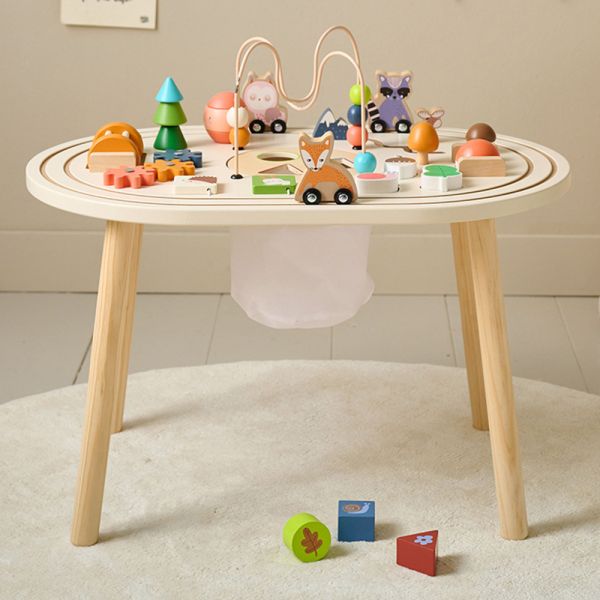
wooden-activity-table-multicolour-

How to Care for and Maintain Wooden Baby Toys

Caring for wooden baby toys is straightforward, ensuring they last for many years. Here’s a simple guide to maintain these precious items.

Regular Cleaning Is Essential

Gently wipe wooden toys with a damp cloth. Avoid soaking them to prevent warping. For a deeper clean, use a mild soap. After cleaning, let them air dry.

Use Natural Oils for Preservation

Occasionally, apply a natural oil like coconut or beeswax. This protects the wood and keeps it from drying out. Rub the oil in with a soft cloth.

Inspect Toys for Safety

Check regularly for any splinters or wear. Sand down rough spots carefully. If a toy is damaged, it’s best to fix it promptly to avoid hazards.

Store Properly to Avoid Damage

Keep wooden toys in a cool, dry place. High humidity or direct sunlight can cause issues. Proper storage helps maintain their quality and safety.

Encourage Responsible Play

Teach children to play with care. This minimizes damage and extends the toy’s life. Respect for toys also instills a good sense of responsibility.

Avoid Chemical Cleaners

Stay clear of harsh chemicals. They can harm the wood and pose health risks. Stick to natural cleaning methods for the best care.

Taking these steps will keep wooden baby toys in optimal condition. With proper care, these toys can be cherished and passed down through generations.

A Comparison: Wooden Toys vs. Plastic Toys

When it comes to baby toys, the wooden versus plastic debate is significant. Both materials have their pros and cons, which can influence a parent’s decision on what to introduce to their child.

The Composition and Feel

Wooden baby toys, as the name implies, are crafted from wood, offering a natural, robust feel. Plastic toys, on the other hand, are synthetic and can vary widely in quality and texture.

Durability and Lifespan

Wooden toys are known for their long-lasting nature, often surviving to become heirlooms. Plastic toys, while sometimes durable, often have a shorter lifespan and can break more easily, potentially creating safety hazards.

Safety and Chemical Considerations

Safety is a critical factor in the comparison. Wooden toys generally contain no harmful chemicals or toxins, while plastics may include BPA or phthalates, raising health concerns.

Environmental Impact

From an eco-perspective, wooden toys are biodegradable and have a lower carbon footprint. Plastic toys contribute to landfill waste and are not as environmentally friendly due to their non-biodegradable nature.

Cost and Availability

Plastic toys tend to be more affordable and widely available. Wooden toys might come with a higher price tag, but many parents find their value in safety and sustainability to be worth the investment.

Educational Value

Often, wooden toys are simpler and encourage more imaginative play, which is crucial for development. Plastic toys often come with electronic parts that can limit the scope of play.

Making a choice between wooden and plastic baby toys ultimately depends on what values matter most to you: durability, safety, environmental impact, cost, or educational benefit. Wooden baby toys stand out as a wholesome option, aligned with a movement towards sustainability and natural living.

Gift Ideas: Best Wooden Toys for Various Ages

Finding the perfect gift for little ones can be a challenge, but wooden baby toys offer timeless charm. These toys come in various shapes and sizes, suitable for different age groups. Here is a selection of the best wooden toys that can make wonderful gifts for babies and toddlers of various ages.

Infants (0-12 months)

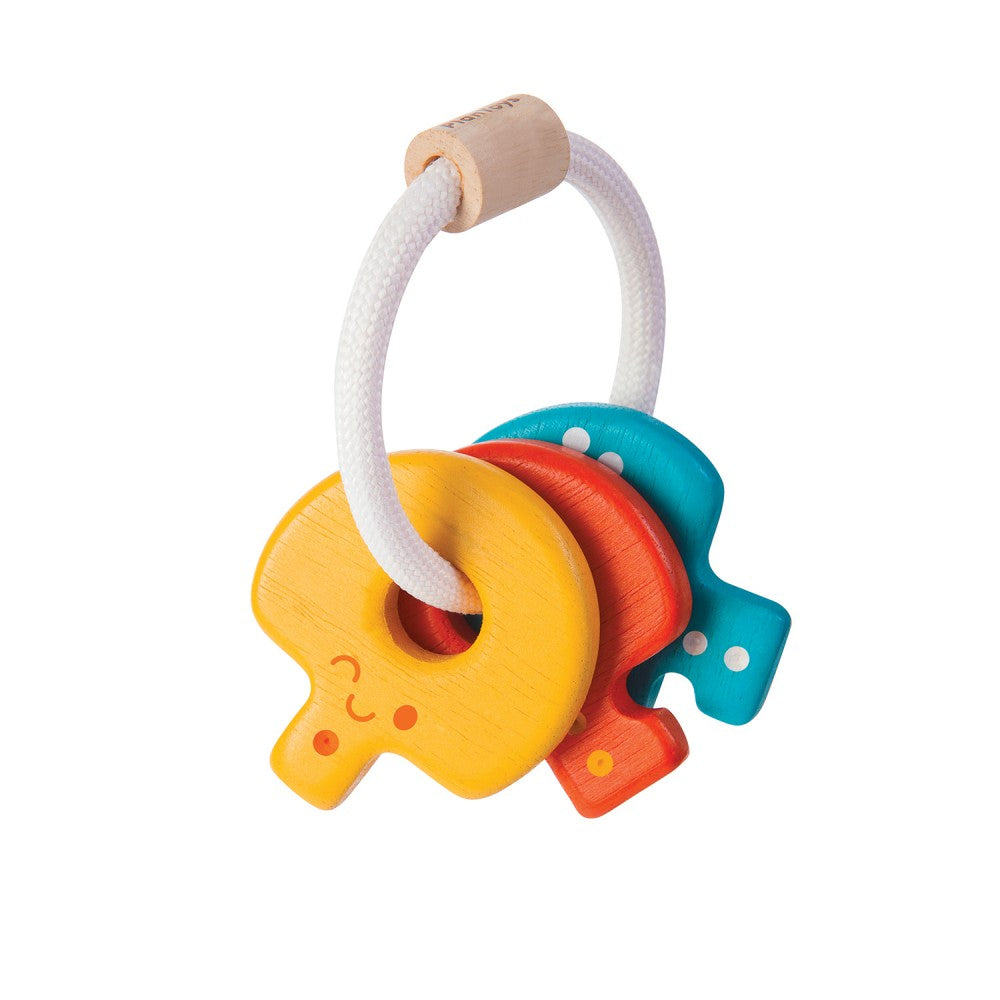
  • Teething Rings: Crafted from smooth wood, these rings soothe gums without chemicals.
  • Rattles: Gentle sounds and easy-to-hold shapes make wooden rattles ideal for sensory development.
  • High-Contrast Mobiles: Hanging wooden mobiles with high-contrast colors captivate and visually stimulate.

Toddlers (1-3 years)

  • Stacking Blocks: Building and knocking them down, toddlers learn about balance and coordination.
  • Pull Toys: Animals on wheels encourage walking and exploration.
  • Shape Sorters: Matching wooden shapes enhances problem-solving and motor skills.

Preschoolers (3-5 years)

  • Puzzles: Wooden puzzles with handles boost cognitive skills through shape recognition.
  • Play Sets: Miniature farms or kitchens foster creativity and role-playing.
  • Balance Boards: These strengthen core muscles while promoting balance and imagination in play.

Older Children (5+ years)

  • Craft Sets: Older children can paint or assemble their wooden toys, encouraging creativity.
  • Strategy Games: Wooden board games like chess teach critical thinking and patience.
  • Educational Models: Solar system models or anatomy puzzles made of wood can be both fun and educational.

These gift ideas align with the desire for safe, sustainable, and educational play. Wooden baby toys are more than just gifts; they’re investments in a child’s development and our planet’s future. When selecting a toy, consider the child’s age, interests, and the toy’s potential for longevity and learning.

Baby Sensory Toys: Exploring the Benefits for Your Little One

As parents, caregivers, and family members, ensuring the healthy development of infants and toddlers is a top priority. One of the best ways to stimulate a child’s growth is through sensory play, and baby sensory toys offer an excellent avenue to achieve this. These toys engage a child’s senses, promoting exploration, creativity, and cognitive development. In this article, we will delve into the various benefits of baby sensory toys, their types, and how they contribute to your little one’s overall growth and development.

Understanding Sensory Play

What is Sensory Play?

Sensory play refers to activities that engage one or more of the senses: touch, smell, sight, sound, and taste. It encourages children to explore and manipulate their environment, fostering curiosity and creativity. For infants and toddlers, sensory play is essential for brain development, as it helps to form new neural connections.

Baby sensory toys are specifically designed to stimulate these senses. These toys often feature vibrant colors, diverse textures, and various sounds, making them appealing to young children. By incorporating sensory play into daily routines, caregivers can provide enriching experiences that promote physical, cognitive, and emotional growth.

baby sensory toys

The Importance of Sensory Exploration

Exploring the world through their senses is crucial for babies and toddlers. Each sensation contributes to their understanding of the surrounding environment. For instance, when children touch different textures, they learn about softness, roughness, and temperature. Similarly, hearing sounds helps them develop auditory skills and distinguish between different pitches and tones.

While sensory play encourages exploration, it also enhances fine and gross motor skills. Manipulating toys, reaching for items, and reacting to sounds promote coordination and physical strength. As children engage with sensory materials, they build foundational skills that will serve them throughout their lives.

Cognitive Development Through Sensory Toys

Boosting Brain Development

Sensory toys play a significant role in boosting brain development. Engaging with various textures, colors, and sounds stimulates multiple areas of the brain simultaneously. This multi-sensory engagement helps strengthen cognitive functions, such as memory, attention, and problem-solving skills.

For infants, sensory play provides opportunities to explore cause and effect situations. For example, squeezing a toy to produce a sound enables them to understand that their actions can create reactions. This interaction encourages critical thinking and lays the groundwork for future learning.

Fostering Language Skills

Using sensory toys can also enhance language development. As caregivers engage children during play, they can introduce new vocabulary related to sensations. Describing colors, shapes, and textures educates children while helping them associate words with specific experiences.

Encouraging communication during play also promotes social interaction. When children share toys or cooperate in activities, they learn important social skills. This interaction fosters emotional intelligence and helps children develop healthy relationships with peers.

baby sensory toys

Promoting Emotional and Social Development

Building Confidence

Sensory toys can lead to a sense of accomplishment for young children. When they successfully manipulate or explore a toy, they gain confidence in their abilities. This feeling of achievement encourages them to take on new challenges in play and learning.

Providing a variety of sensory experiences allows children to discover their preferences and interests. As they explore different toys and materials, they learn about themselves and their likes and dislikes. This self-discovery lays the foundation for building a secure sense of identity.

Nurturing Social Skills

Playing with sensory toys can create opportunities for social interaction. Group play encourages children to share, cooperate, and communicate with others. These interactions help develop essential social skills, such as taking turns and showing empathy.

By engaging with sensory toys in a group setting, children also learn to navigate social dynamics. They observe how their peers react to experiences and develop awareness of others’ feelings. This experience is crucial for fostering healthy relationships in early childhood.

baby sensory toys

Enhancing Fine and Gross Motor Skills

Fine Motor Skill Development

Sensory toys contribute to fine motor skill development through activities that require precise hand movements. Toys designed for squeezing, gripping, or manipulating help strengthen the small muscles in the hands and fingers. Skills such as pinching, grasping, and twisting are refined as children interact with these toys.

Examples of sensory toys that promote fine motor skill development include textured balls, stacking blocks, and toy puzzles. Each of these options encourages children to use their hands and fingers in various ways, enhancing dexterity and coordination.

Gross Motor Skill Development

While sensory play often emphasizes fine motor skills, it can also promote gross motor development. Toys that encourage crawling, reaching, or walking require coordination of larger muscle groups. These activities contribute to overall physical fitness and body awareness.

Interactive sensory play mats or activity gyms provide ample opportunities for infants to practice gross motor skills. As children explore these environments, they build strength and mobility, preparing them for future milestones like walking and running.

sensory toys

Types of Sensory Toys

Textured Toys

Textured toys are a popular category of sensory toys designed to engage a child’s sense of touch. They often feature various materials, such as soft fabrics, rubber, and squishy textures. Babies love to explore different sensations, and these toys encourage sensory exploration.

Examples of textured toys include plush animals, sensory balls, and fabric books with various textures. These toys can enhance tactile awareness and help babies learn to differentiate between different surfaces.

Musical and Sound Toys

Musical and sound toys engage a child’s sense of hearing. These toys produce various sounds, melodies, or rhythms that stimulate auditory exploration. Sounds play a crucial role in the development of listening skills and can encourage movement and interaction.

Examples of these toys include rattles, musical instruments, and sound blocks. Many of these toys promote an understanding of rhythm and melody, enhancing cognitive development through auditory exploration.

Light-Up and Visual Toys

Light-up and visual toys tap into a child’s sense of sight. Bright colors, flashing lights, and moving parts attract a baby’s attention and encourage visual tracking. These toys can help develop hand-eye coordination as children focus on moving objects.

Examples of light-up toys include activity centers, projection toys, and glow-in-the-dark items. Engaging with these toys can boost visual perception and stimulate curiosity, enhancing overall cognitive growth.

sensory toys

Incorporating Sensory Toys into Daily Routines

Sensory Play at Home

Incorporating sensory toys into your daily routine can be simple and fun. Designate specific times for sensory play during your little one’s day. This might include playtime in the morning or after nap time when your child is most energetic.

Create a sensory-rich environment by surrounding your child with various sensory toys. Rotating toys regularly can keep them engaged and excited. For instance, set up different play stations throughout the house, each with a unique sensory experience. This approach encourages exploration and keeps the experience fresh and enjoyable.

Collaborative Play with Caregivers

Encourage collaboration during sensory play. Engage with your child by playing alongside them with sensory toys. Use this time to introduce new words, colors, and concepts as you explore the toys together.

Collaborative play strengthens the bond between caregiver and child. It also provides opportunities to observe your child’s reactions to different toys and experiences. By actively participating in their exploration, you gain insight into their interests and developmental needs.

Choosing the Right Sensory Toys

Safety and Age Appropriateness

When selecting sensory toys, safety should be the primary concern. Ensure that all toys are made from non-toxic materials that are free from small parts that could pose a choking hazard. Always check for age appropriateness and follow the manufacturer’s guidelines regarding safety.

It’s essential to choose toys that cater to your child’s developmental stage. Familiarize yourself with age recommendations to find the most suitable baby  sensory toys. Toys that are too advanced can lead to frustration, while toys that are too simple may not provide any enrichment.

Seeking Variety and Engagement

Another aspect to consider when choosing baby sensory toys is the variety they offer. Look for toys that engage multiple senses and encourage different types of exploration. A diverse collection ensures that your child is continuously challenged and engaged.

Seek toys that encourage open-ended play, allowing children to use their imagination and creativity. This type of play supports overall development and ensures that children can explore at their own pace.

Nurturing Development Through Play

In conclusion, baby sensory toys are invaluable tools for nurturing your little one’s development. By engaging multiple senses, these toys promote cognitive growth, emotional intelligence, and social skills. As children explore different textures, sounds, and visuals, they gain a deeper understanding of their environment and themselves.

Choosing the right sensory toys involves prioritizing safety, engaging designs, and age-appropriate options. By carefully selecting these toys and incorporating sensory play into your child’s daily routine, you will create enriching experiences that support their growth.

Lastly, remember that sensory play is not just about the toys themselves, but about the interactions and connections formed during playtime. Your involvement in this journey is essential, and together, you and your child can explore the world in new and exciting ways. Nurturing curiosity and creativity through sensory experiences will lay the foundation for a lifetime of exploration and learning.

Baby Bath Toys: Fun and Safe Options for 2025

Top Safety Features to Look for in Baby Bath Toys

When picking out baby bath toys, safety tops the list of priorities. As a parent, you want to ensure that playtime is not only fun but also completely safe for your little one. Here are some crucial safety features to keep in mind while shopping for baby bath toys.

Non-Toxic Materials Used in Bath Toys

Safety starts with what the toys are made of. A top concern is avoiding harmful chemicals that can leach into bath water and be ingested or absorbed by your baby’s skin. Always choose baby bath toys made of non-toxic materials. These are free from dangerous chemicals such as phthalates and heavy metals. Look for toys labeled as ‘non-toxic’ to keep your baby’s bath time safe and healthy.

Importance of BPA-Free Toys for Babies

Bisphenol A (BPA) is a chemical found in many plastics that can have adverse effects on health, especially for babies. BPA-free toys are essential for baby safety. Manufacturers now offer a wide range of BPA-free baby bath toys that provide peace of mind while your child splashes and plays. By opting for BPA-free options, you protect your baby from potential health risks associated with BPA exposure during their critical developmental stages.

baby-bath-toys-spray-water-shower-swim

Most Popular Baby Bath Toys of 2025

As we gaze into the playful waters of 2025, the popularity of baby bath toys continues to soar. With advancing trends and parental awareness, several toys have risen to become must-haves for enhancing bath time fun and aiding in infant development.

Innovative Water Toys for Enhanced Bath Time Fun

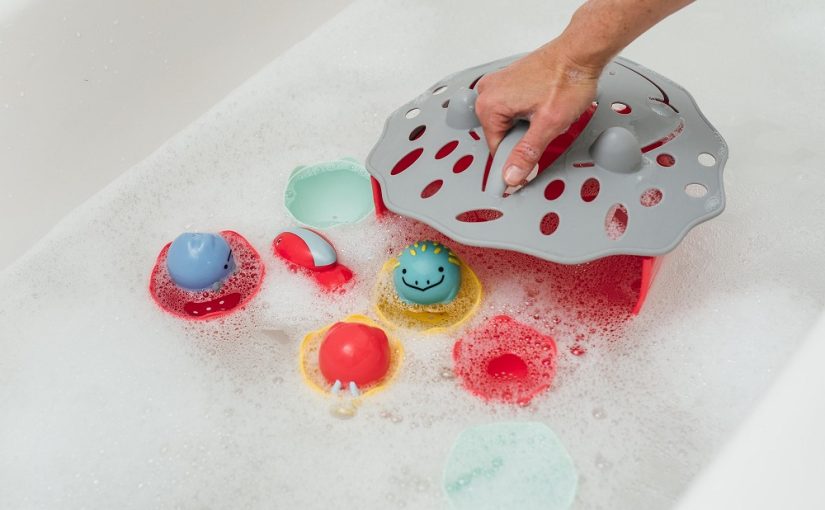
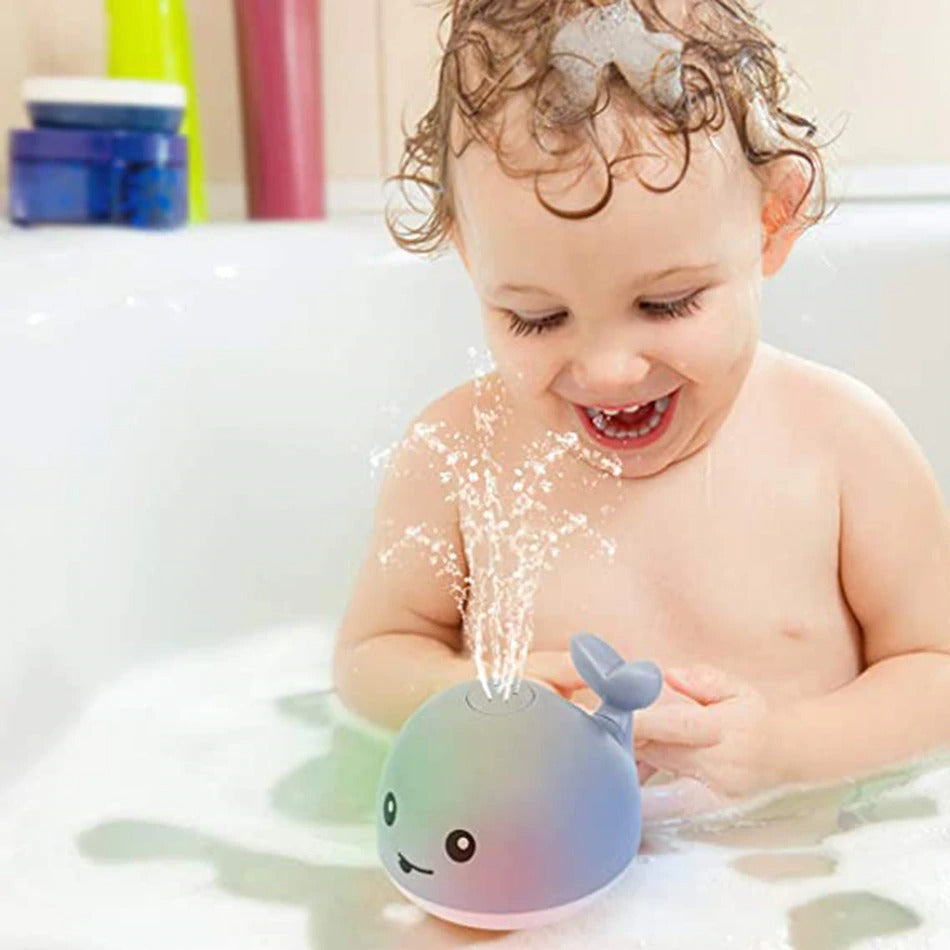
Innovation has shaped the landscape of baby bath toys, introducing dynamic features that make splashing around more delightful for babies. Parents are seeking out water toys with unique functions. These may include toys that change color with temperature, squirters that help with hand-eye coordination, and floating puzzles that keep little minds engaged. Brand new designs, like water drums that create rhythm with droplets and water flutes that can teach basic music, are capturing hearts. Such innovative toys not only entertain but are also pivotal in creating a multisensory bath experience.

Interactive Bath Toys for Infant Development

Interactive bath toys are also in the spotlight for cultivating infant development. They come with buttons, levers, and dials, encouraging babies to explore and learn cause and effect. Toys that produce sounds or have moving parts when touched, help in developing cognitive and motor skills from a tender age. Moreover, the wave of tech integration has brought about toys that can interact with smart apps, providing educational content in an interactive format. Parents are leaning towards toys that blend play with learning, ensuring that their baby’s bath time is also a time for growth and learning.

Best Practices for Cleaning and Storing Bath Toys

Maintaining the cleanliness of baby bath toys is crucial for your child’s health. After each bath, proper caring for the toys can prevent mold and unwanted bacteria. Here are some tips for parents to ensure their babies’ toys stay clean and safe.

Tips for Preventing Mold and Mildew in Bath Toys

Mold and mildew can easily grow on bath toys due to the moist environment of bathrooms. Here is how to stop mold before it starts:

  1. Dry Thoroughly: Shake off excess water and allow toys to air dry completely after every use.
  2. Clean Regularly: Use a gentle, baby-safe cleaning solution weekly to wash toys. A mixture of warm water and vinegar works great.
  3. Close Holes: Seal any holes in squirt toys with glue to prevent water from getting inside.
  4. Store Correctly: Keep toys in a dry, well-ventilated area. Mesh bags or hanging organizers are ideal.
  5. Check Often: Inspect toys for signs of mold and clean or discard them as needed.
  6. Boil When Needed: Boiling can sanitize and kill bacteria; do this for water-safe toys occasionally.

By following these tips, parents can ensure that baby bath toys remain a safe and fun part of bath time.

baby bath toys

Age-Appropriate Bath Toys for Different Stages

Choosing the right baby bath toys can be exciting yet challenging, especially with the vast options available in 2025. However, it’s essential to consider age-appropriateness to ensure a fun and developmental bath time experience. Age-specific toys can cater to the developmental needs at each stage from infancy to toddlerhood.

Infants: Sensory Bath Toys to Stimulate Development

For infants, sensory bath toys are key. These toys can help in developing their senses and cognitive abilities. Look for:

  • Soft textures: Toys with varied surfaces encourage tactile exploration.
  • Bright colors: Vivid and contrasting colors capture babies’ attention.
  • Gentle sounds: Toys that make soft, soothing noises can enhance auditory development.
  • Floating toys: These encourage visual tracking and promote coordination.

Sensory toys should be easy to grasp and safe for babies to nibble on since they explore with their mouths at this age.

Toddlers: Motor Skills Development Through Play

Toddlers need toys that promote motor skills and offer challenges for their growing abilities. Consider:

  • Stackable cups: Great for building and practicing fine motor control.
  • Squirting toys: Enhance hand-eye coordination and cause-and-effect understanding.
  • Pull-string toys: Encourage movement and coordination in the bathtub.
  • Puzzles and shape sorters: Offer cognitive challenges and problem-solving opportunities.

Toys for toddlers should still be safe and non-toxic, but they can include more complex features that stimulate curiosity and learning. Ensure baby bath toys at this stage are durable to withstand the energetic play of toddlers.

baby bath toys

The Intersection of Technology and Bath Toys

The world of baby bath toys is fast evolving with technology at its core. The year 2025 has seen a remarkable integration of high-tech features into these playful bath companions. Smart technology has turned the humble bath toy into an interactive adventure that nurtures young minds while they splash and play. Parents are now able to choose toys that not only withstand water but also engage their babies in learning activities.

High-Tech Bath Toys with Educational Value

Tech-powered bath toys are now a part of the educational playtime toolkit for babies. These toys offer several benefits:

  • Smart Learning: High-tech toys often interact with apps, teaching numbers, colors, and even letters while a child bathes.
  • Interactive Enjoyment: They respond to touch or movement, making bath time an immersive experience that promotes learning.
  • Safe and Engaging: Equipped with waterproof, child-safe materials, these toys ensure safety and provide mental stimulation.
  • Development Boost: They help in honing fine motor skills and cognitive development through play-based learning.

Parents are particularly keen on choosing bath toys that offer more than just fun. The value lies in toys that equip their babies with knowledge and skills, turning every bath into a classroom of its own. From floating robots that can be programmed to follow a set path to alphabet bubble machines, technology is transforming the way babies learn and grow. In the realm of baby bath toys, it is clear that technology has become a bridge between playtime and education, shaping a new generation of informed, tech-savvy children right from their earliest years.

Eco-Friendly Baby Bath Toys and Sustainability

In today’s eco-conscious world, sustainability is essential when choosing baby bath toys. With more parents prioritizing the environment, toys designed with eco-friendly principles are becoming increasingly desired. Here are some key points to consider for an environmentally friendly bath time.

Choosing Eco-Conscious Toys for an Environmentally Friendly Bath Time

To make bath time both fun and green, look for the following in eco-friendly baby bath toys:

  • Biodegradable materials: Opt for toys made from materials that decompose naturally, like rubber or fabric.
  • Recyclable toys: Check if toys can be recycled to minimize waste.
  • Reusable packaging: Look for minimal or reusable packaging to reduce plastic use.
  • Sustainability certifications: Seek out toys that have been certified by reputable organizations for sustainability practices.
  • No batteries required: Manual or kinetic-powered toys avoid the waste and pollution from used batteries.
  • Local production: Choosing toys made locally can reduce carbon emissions from transportation.

Making eco-friendly choices for baby bath toys helps protect the planet and can also be good for your baby’s health. By choosing toys that are free from harsh chemicals and made with the environment in mind, parents can contribute to a healthier planet and create a safe play area for their child.

baby toys

Awards and Recognitions: Top-Rated Bath Toys of the Year

As 2025 unfolds, certain baby bath toys have distinguished themselves through awards and recognitions. These accolades highlight the best in quality, safety, and innovation, helping parents make informed choices.

Critics’ Picks: Baby Bath Toy Awards

Every year, toys that exceed expectations in terms of design and child engagement receive special attention from critics. The baby bath toy awards of 2025 spotlight products that provide outstanding play value, show excellence in safety standards, and promote developmental benefits. Toys receiving such distinctions often have unique features, like sensory textures or interactive components that captivate and educate. They are made from non-toxic, BPA-free materials, ensuring they are safe for every tiny bather. Parents look to these awards when searching for the perfect bath time playthings, confident that these celebrated toys are tried, tested, and treasured.

Incorporating Educational Elements

Learning Through Play

As bath toys provide endless fun, they can also be designed to incorporate educational elements. Many brands are rolling out bath toys that encourage early learning concepts. These toys can focus on colors, numbers, shapes, and even letters. For example, foam letters that float in water create opportunities for children to learn their alphabets while splashing about. This joyful experience helps reinforce knowledge in a playful environment, making learning engaging.

Puzzles that can be assembled in water also develop critical thinking skills. When babies manipulate these toys, they enhance their problem-solving abilities. Parents can facilitate this active learning by asking questions and prompting their children to explore the toys’ features. Engaging in a learning-centric environment during bath time cultivates curiosity and interest in educational topics.

Role of Music and Sound

Sound-based bath toys are becoming increasingly popular and add another layer of engagement. Toys that play music, make animal sounds, or produce bubbles capture attention and create an immersive experience. These auditory elements can help develop auditory skills and encourage babies to recognize different sounds.

Parents can use these toys to sing along or create stories, prompting their children to participate. This active engagement fosters communication and encourages children to respond, promoting language learning and social interaction. As babies grow, they can associate these sounds with fun memories of bath time, creating positive connections with learning.

 bath toys

Environmental Considerations

Sustainable Bath Toys

Amid growing environmental awareness, more brands are prioritizing sustainability in their products. Sustainable bath toys made from biodegradable materials or recycled plastic are gaining traction. These eco-friendly options not only provide safe play for babies but also contribute to reducing plastic waste. Parents are becoming increasingly conscious of the impact their purchases have on the environment and are looking for sustainable answers.

Many eco-friendly bath toys are designed to be fun and colorful, ensuring they remain attractive to children. For example, wooden bath toys painted with safe, non-toxic finishes can be both durable and charming. Brands are increasingly transparent about their sourcing and production processes, allowing parents to make informed choices that align with their values.

The Future of Eco-Conscious Parenting

By choosing sustainable bath toys, parents can instill eco-conscious values in their children from a young age. Introducing the concept of taking care of the planet can start during bath time. As children play, parents can explain the importance of nature and protecting the environment. This early education can plant seeds of responsibility that can flourish as they grow.

As eco-friendly innovations are continuously making their way into the toy market, the future looks promising. It is likely that we will see even more creative designs focused on sustainability, making it easier for families to opt for environmentally friendly products. This commitment to sustainability will help foster a more conscious generation while still ensuring that playtime remains fun.

Bath Time as a Gateway to Growth

In closing, bath time is not just about cleanliness; it’s a vital opportunity for growth, learning, and bonding. The right bath toys play an essential role in transforming an everyday routine into an enriching experience. As we look toward 2025 and beyond, choosing safe, educational, and fun bath toys will help promote development across multiple domains.

From enhancing sensory experiences to fostering fine motor skills, bath toys contribute to significant developmental benefits. They engage babies in imaginative play and create lasting memories between parents and children. As parents embrace the joy of bath time with a selection of exciting toys, they set the stage for a lifetime of positive learning experiences. Ultimately, the choices made today will shape not just their children’s skills and knowledge but also their enjoyment of everyday activities like bathing.

Best Baby Toys: Essential Picks for Your Little One’s Development

Choosing the best baby toys for your baby is crucial for their growth and development. Toys can significantly impact a child’s physical, cognitive, and social development. They encourage exploration, stimulate the senses, and help develop fine motor skills. In the first few years, babies go through various stages of growth, and selecting appropriate toys can enhance their learning experiences. In this article, we will explore some of the best baby toys that are essential for your little one’s development, making playtime both enjoyable and educational.

Soft Plush Toys

Comfort and Security

Soft plush toys are some of the best companions for babies. These best baby toys often provide comfort and security, making them ideal for snuggling. The softness and gentle texture of plush toys are perfect for young children. Soft toys can also help to develop emotional connections. Many babies form attachments to their plush friends, which can provide them with a sense of safety during stressful moments.

Choosing plush toys that are machine washable is wise. Babies often drool or spit up, making it necessary to keep their toys clean. Look for plush toys with safety features such as securely stitched seams and no small parts that could pose a choking hazard.

Exploring Sensory Features

Plush toys also come with various sensory features. Some have crinkly sounds, gentle rattles, or textured fabrics that can engage a baby’s senses. When selecting a plush toy, consider those that offer multiple sensory experiences, as they can help stimulate a baby’s curiosity. The act of exploring textures and sounds contributes to sensory development and cognitive skills.

Consider soft animal figures that also teach about different animals. These toys introduce babies to animals through play. As your child grows, they might enjoy pretending or imagining stories involving their plush toys, aiding in their creative development.

best baby toys

Activity Gyms and Play Mats

Interactive Exploration

Activity gyms and play mats are excellent toys to foster a baby’s development during their early months. These colorful mats provide a safe space for babies to play and explore. Most activity gyms come with an arch and attached toys that dangle above. The best baby toys typically include mirrors, rattles, and plush figures, allowing for interactive exploration.

Tummy time is essential for strengthening the muscles necessary for crawling. Activity mats encourage tummy time by providing visually stimulating elements. The brightly colored designs and various textures capture a baby’s attention, promoting engagement. This interactive play supports not only physical development but also visual tracking and fine motor skills.

Engaging with Different Textures and Sounds

Most play mats are designed with various textures, promoting sensory exploration. Some mats even include crinkly fabric or soft teethers. These features keep babies engaged while helping develop their sensory play. As babies reach for hanging toys, they practice hand-eye coordination, which is fundamental for their later growth.

Parents can enhance the experience by engaging in play with their baby. Singing songs or pointing out the colors and shapes on the mat can stimulate interaction. Encouragement from caregivers allows for social development, promoting bonding while participating in shared play.

best baby toys

Stacking Toys

Promoting Cognitive Development

Stacking toys are a classic choice for promoting cognitive development in babies and young toddlers. These best baby toys usually consist of rings, blocks, or cups that can be stacked in different configurations. Stacking helps babies understand cause and effect, spatial awareness, and size differentiation.

Through stacking, children learn about balance and coordination. As they figure out how to make their tower stable, they develop essential problem-solving skills. It also encourages creativity, as babies can experiment with different stacking methods and designs.

Encouraging Fine Motor Skills

In addition to cognitive benefits, stacking toys significantly enhance fine motor skills. Picking up and placing objects develops hand strength and dexterity. Babies use their fingers and hands in various ways to manipulate the stacking pieces, fostering important muscle development.

Parents or caregivers can take stacking time as an opportunity to teach colors, shapes, and numbers. By introducing these concepts while stacking, caregivers create an educational moment that reinforces language development.

best baby toys

Musical Instruments

Early Introduction to Music

Introducing musical instruments to babies can significantly impact their auditory development. Simple instruments, such as maracas, tambourines, or xylophones, are great options for young children. These instruments encourage sensory exploration through sound, rhythm, and movement.

As children shake, bang, or tap on instruments, they explore cause and effect. They discover that their actions produce different sounds, sparking a sense of joy and creativity. Music can also introduce cultural elements, allowing children to experience various sounds and rhythms from around the world.

Social Development Through Music

Music encourages social interaction, especially if parents or caregivers join in the music-making process. Dancing along with the music can serve as a fun bonding experience. Playing together not only fosters relationships but also promotes early social skills and cooperation.

Research also indicates that music can enhance cognitive functions in children. Simple rhythm and melody patterns help boost memory and focus. Through musical play, babies can develop early cognitive skills and promote a love of music that might carry into adulthood.

best baby toys

Bath Toys

Making Bath Time Fun

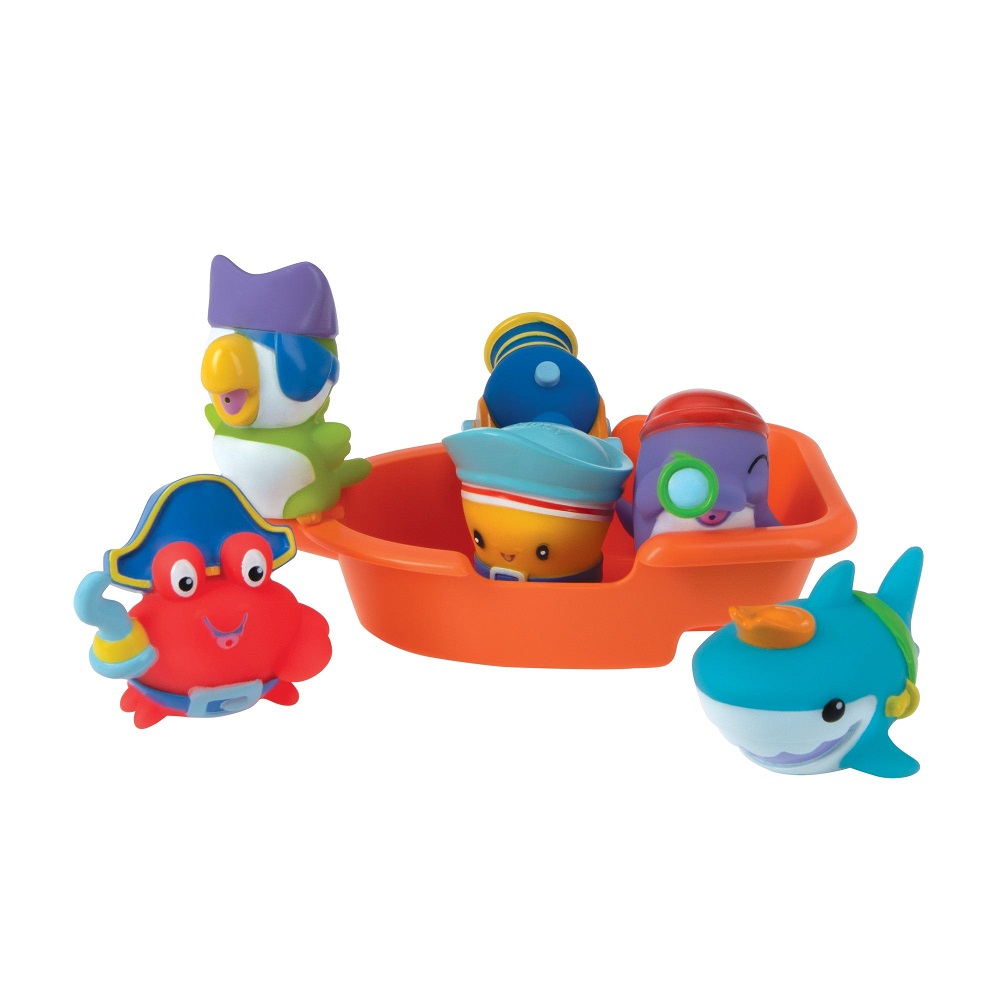
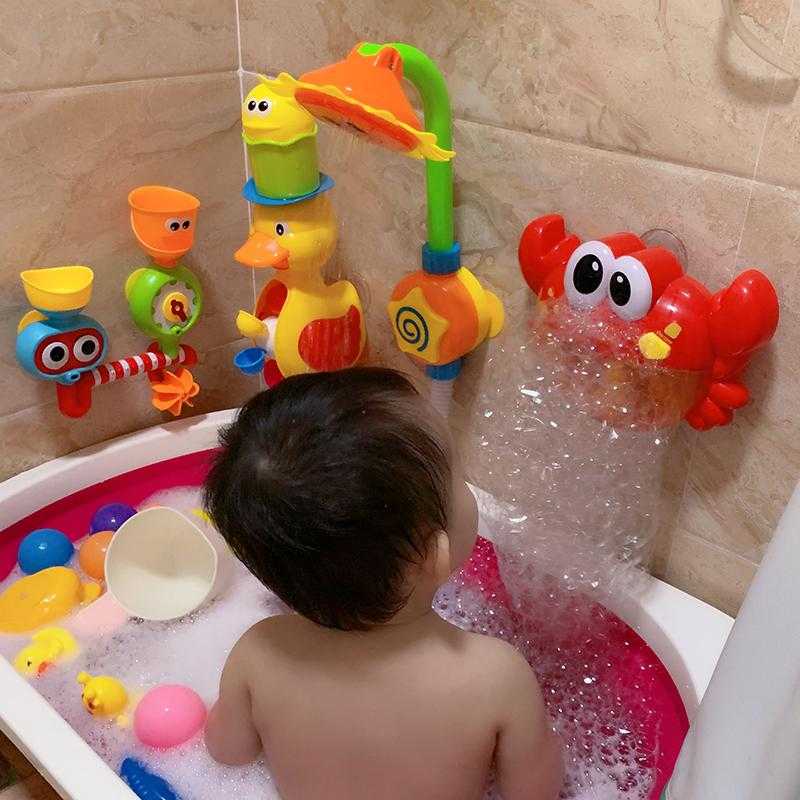
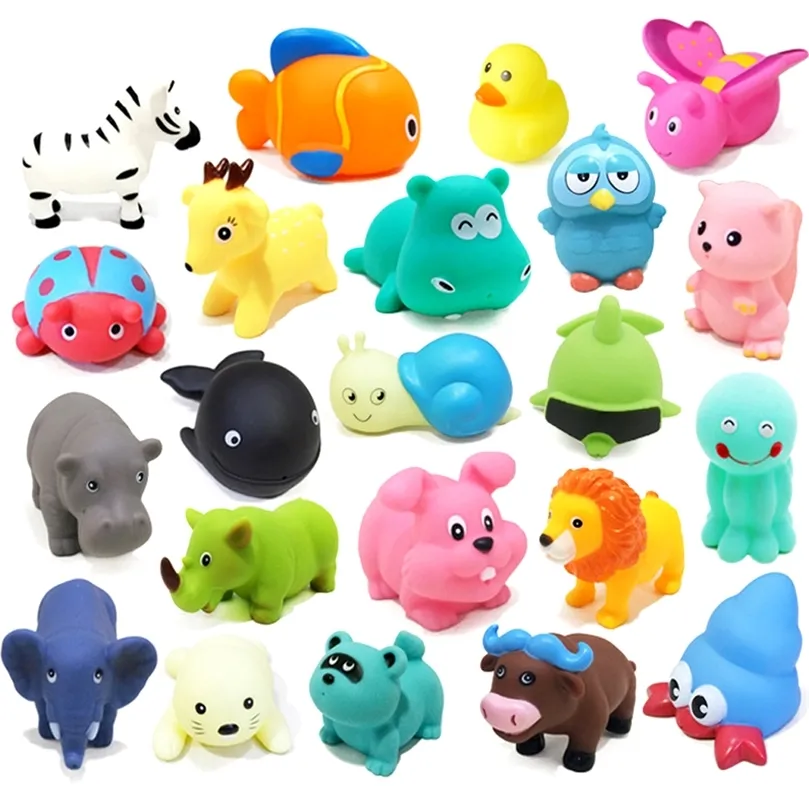
Bath toys are essential for making bath time a fun and enjoyable experience. These toys can help calm babies and toddlers during baths, making the entire routine easier for caregivers. Rubber ducks, floating animals, and colorful cups add excitement to bath time.

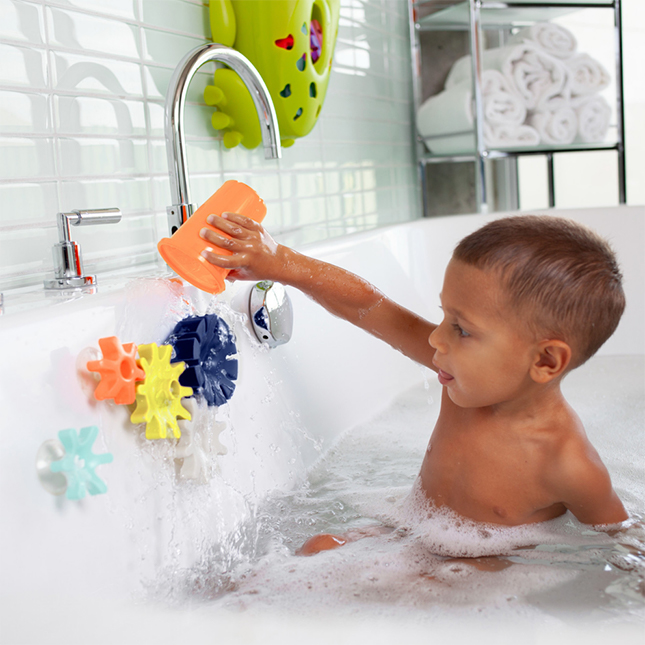
Bath toys can also provide sensory experiences, as children learn through splash and play. Filling and dumping water from cups enhances fine motor skills and hand-eye coordination. Moreover, bath toys often come in various shapes and colors, helping teach recognition and spatial awareness.

Water Play and Its Benefits

Playing with bath toys offers more than just fun; it also encourages exploration and sensory play. As children interact with water, they begin to understand basic concepts of buoyancy and motion. Bath time can become a time for learning, as caregivers engage their little ones in simple discussions about what they see.

Incorporating songs and games during bath time helps build a positive association with water. Making bath routines enjoyable can foster a love for water activities as children grow, promoting safety and confidence during swimming lessons later on.

Developmental Board Books

The Power of Reading

Introducing board books early in a child’s life is an excellent way to promote language development. These sturdy books are designed to withstand a baby’s exploration. Featuring vibrant illustrations and simple text, board books can capture a baby’s attention for longer periods.

Reading to babies nurtures a love for books and storytelling. It also lays a foundation for language skills. Hearing words aloud helps with vocabulary development and comprehension, even at a very young age. Regularly reading board books can enhance communication skills and encourage interactive reading practices.

Interactive Storytelling

Many board books contain interactive elements, such as flaps, textures, or mirrors. These features allow babies to engage with the story actively. Interaction promotes curiosity and exploration while allowing babies to connect more with the text.

Parents can take the opportunity to ask questions about the illustrations, engage in dialogue, and encourage babies to point or touch various elements. This interactive approach makes reading enjoyable and fosters a deep bond between parents and children.

best baby toys

Soft Block Sets

Building and Creative Play

Soft block sets are a versatile toy that supports learning while promoting creativity. These blocks can be made from various materials such as foam or fabric, ensuring safety during play. They encourage imaginative play, allowing babies to explore, stack, and create freely.

Building with blocks enhances spatial reasoning and problem-solving skills. As babies stack blocks and topple them over, they learn valuable lessons about balance and gravity. This hands-on activity can develop fine motor skills, as children grasp, stack, and arrange the blocks in different ways.

Social Interaction and Cooperative Play

Soft block sets are also great for encouraging social interaction among siblings or playmates. Children can work together to build creations, fostering teamwork and cooperative play. This type of collaborative play nurtures communication skills and supports social-emotional development.

Parents can join in these play sessions to model sharing and collaborative behaviors. Engaging in block play promotes healthy socialization while reinforcing positive relationships. As children grow, building sets can evolve to include more complex structures, maintaining their interest and promoting long-term play.

Choosing the Best Toys for Development

In conclusion, choosing the best baby toys is vital for fostering development in various areas. Each type of toy discussed can support physical, cognitive, and social development while providing entertainment and engagement. By investing in high-quality, age-appropriate toys, parents can create enriching environments that promote exploration and learning.

Soft plush toys, activity gyms, stacking toys, musical instruments, bath toys, developmental board books, and soft block sets all play unique roles in nurturing a baby’s growth. Active engagement from parents and caregivers enhances these play experiences, creating lasting memories and fostering strong bonds.

As your little one grows and develops, remember that play is essential to learning. The best baby toys you choose can significantly impact their physical, emotional, and cognitive development. Embrace these early years with thoughtful toy selection, and enjoy the joyful moments that come with play.

Baby Girl Toys: Discover the Most Exciting Trends for 2025

Evolution of Baby Girl Toys Through the Years

The world of baby girl toys has witnessed remarkable transformation over the years. From basic dolls and plush toys to sophisticated, interactive playthings, the evolution charts a shift towards stimulating both the mind and the motor skills of young girls. In the early days, baby girl toys were generally simple and durable, designed for long-term use. As time progressed, societal changes and technological advancements paved the way for more educational and tech-savvy toys.

In the 20th century, dolls and tea sets dominated the playrooms. These toys offered moments of enjoyment and mimicked everyday life, allowing young girls to explore roles and responsibilities. However, the turn of the century saw a significant change. Manufacturers began to focus on developmental benefits, integrating colors, textures, and sounds that catered to sensory and cognitive growth.

Educational toys became a prevalent category, designed to enhance language skills, problem-solving abilities, and even foundational math concepts. Puzzle blocks, shape sorters, and age-appropriate board games graced the shelves, specifically tailored for baby girls, emphasizing a balance between learning and entertainment.

The digital age introduced a new layer of interactivity. Touch-screen devices and electronic toys became commonplace, promoting interactive learning through games and applications. These tech toys not only entertain but also teach basic coding, languages, and even art, aligning with the contemporary focus on STEM (Science, Technology, Engineering, and Mathematics) education from a young age.

Today, the trend continues toward holistic development. With a heavy accent on the overall growth of a child, toys for baby girls now aim to nurture social skills, emotional intelligence, and environmental consciousness. This evolution reflects our society’s values and the collective aspiration to empower girls through play that inspires creativity, learning, and a better understanding of the world they inhabit.

baby girl toys

Top Rated Toys for Infant Development

When considering toys for infant development, the best options stimulate growth in several key areas. High-quality, top-rated baby girl toys cater to sensory, cognitive, and motor skill enhancement. Here are some top picks for infant development:

  • Sensory Balls: Soft, colorful balls with various textures promote touch and sensory awareness.
  • Musical Instruments: Simple instruments like drums or xylophones encourage auditory development and rhythm recognition.
  • High-Contrast Books: Black and white patterned books are perfect for visual stimulation in the early months.
  • Tummy Time Mats: These mats often come with mirrors, textures, and sounds to improve physical development during tummy time.
  • Soft Blocks: Blocks with bright colors and different shapes support fine motor skills and early problem-solving.

These toys not only keep infants engaged but also support their overall growth. Parents looking for the best baby girl toys should seek items that challenge and fascinate their little ones while ensuring safety and durability.

Educational Toys for Toddler Girls

As toddlers grow, their learning needs evolve. Educational toys for toddler girls become crucial for their development. These toys blend fun with learning to sharpen various skills.

  • Interactive Storybooks: These books come alive with sounds and touch-sensitive pages. They help in language development.
  • Counting Beads: Simple abacuses or bead toys teach counting and basic math skills.
  • Role-Playing Kits: Kitchen sets or doctor’s kits encourage creative play and social interaction.
  • Building Blocks: These toys can be more complex, perfect for problem-solving and motor skills.
  • Alphabet Puzzles: Puzzles that focus on letters help toddlers start recognizing alphabets and improve cognitive skills.
  • Language Learning Toys: Gadgets that say words in multiple languages foster language skills and global awareness.

By engaging with these toys, toddler girls can develop critical thinking, language, and social skills. When selecting educational toys for toddler girls, consider ones that will challenge and engage them, helping to build a strong foundation for later learning.

baby girl toys

Interactive Play and Tech Toys for Young Girls

In 2025, interactive play and tech toys for young girls stand out for their ability to blend entertainment with education. These toys are specifically designed to engage young minds and encourage curiosity in tech early on. Let’s look at what makes these toys so appealing.

  • Interactive Dolls: Dolls that can respond to voice and touch prompt girls to communicate and care for a virtual friend.
  • Smart Building Sets: Sets that connect with apps to guide construction enhance spatial skills and creativity.
  • Digital Art Pads: These pads allow girls to draw and design, then see their art come alive on screens.
  • Robotic Kits: Simple programmable robots teach the basics of coding and robotics, in a fun way.
  • Tablet Games: Educational games on tablets make learning reading and math skills an adventure.

When choosing tech toys for young girls, parents should look for options that promote learning and cater to the developmental stages of their child. Always make sure these toys are age-appropriate and come with parental controls to ensure safe and beneficial playtime. The goal is to have toys that are not just high-tech but also high-touch, in terms of the learning experience they offer. Interactive play and tech toys are here to keep baby girl toys exciting and educational, supporting young girls as they grow in a digital world.

baby girl toys

Eco-Friendly and Sustainable Toy Options

In the quest for sustainability, eco-friendly and sustainable toy options for baby girls are gaining popularity. Parents are becoming more conscious of the environmental impact of toys and are opting for products that align with green values. Eco-friendly toys are typically made from renewable resources, such as wood from responsibly managed forests or recycled materials. These toys not only reduce the carbon footprint but also teach children about the importance of caring for the environment.

Manufacturers are embracing sustainable practices by producing toys with non-toxic, biodegradable materials. This means that when a toy has served its purpose, it won’t linger for centuries in landfills. Moreover, sustainable toys are often designed with a timeless appeal and durability, promising years of play while fostering a sense of environmental stewardship in young minds.

When shopping for sustainable baby girl toys, look for certifications like FSC (Forest Stewardship Council) for wood products or Oeko-Tex for textiles. Such certifications ensure that the products meet rigorous environmental and social standards. Parents can also look for local brands that craft handmade toys, reducing the carbon emissions associated with long-distance transportation.

Here are some examples of sustainable toy options:

  • Wooden Toys: Blocks, puzzles, and figures carved from sustainable wood sources.
  • Organic Textile Dolls: Dolls made from organic cotton and naturally dyed fabrics.
  • Recycled Plastic Toys: Play sets and vehicles made from recycled plastics, safe for children and the planet.
  • DIY Craft Kits: Kits that encourage kids to create toys from recycled household items.

Responsibly-produced toys not only benefit our earth but also ensure a safer playtime for baby girls. Eco-friendly options are a responsible choice for parents who want to give their children fun toys while also investing in a healthier planet for their future.

Culturally Diverse and Inclusive Toy Choices

In 2025, toy makers are prioritizing cultural diversity and inclusivity in baby girl toys. This trend recognizes the importance of representing the wide array of cultures and backgrounds that girls come from. By providing toys that mirror the diverse world we live in, manufacturers help foster awareness and empathy from a young age. Here’s how this is being done with baby girl toys:

  • Dolls of Different Ethnicities: Today’s dolls come in various skin tones, hair types, and facial features. They represent different ethnic backgrounds and encourage girls to appreciate diversity.
  • Multicultural Playsets: Playsets now include elements from different cultures’ traditions and daily life. They introduce girls to new worldviews and social customs.
  • Bilingual Toys: These toys teach words in multiple languages. They open up new avenues of communication for young minds and respect linguistic diversity.
  • World Music Instruments: Toy instruments representing different cultures’ music allow girls to explore and enjoy global sounds.
  • Books with Diverse Characters: Stories featuring protagonists from varied backgrounds educate about inclusivity and respect for all.

Selecting toys that reflect cultural diversity and inclusivity is not just about play. It’s about preparing baby girls for a world that values and respects everyone’s uniqueness. Parents and guardians are encouraged to seek out such toys to enrich their children’s playtime with lessons on global citizenship and solidarity.

baby girl toys

Budget-Friendly Toys for Baby Girls

While it’s important to choose toys that facilitate learning and development, considering the budget is essential for many families. Finding budget-friendly baby girl toys doesn’t mean compromising on quality or educational value. Here are some cost-effective options that provide substantial benefits for baby girls.

  • Classic Wooden Blocks: These blocks are affordable and great for motor skills and creativity.
  • Soft Picture Books: Inexpensive and durable, they introduce concepts and foster an early love for reading.
  • Homemade Play Dough: Easily made with kitchen ingredients, it can teach textures and shapes.
  • Second-Hand Toys: Searching thrift stores or online marketplaces can lead to high-quality finds at a fraction of the cost.
  • Printable Coloring Pages: Free online resources offer endless hours of artistic fun.
  • Balloon Ball Toys: Balloons covered in fabric are safe and inexpensive for sensory play.

By exploring these budget-friendly options, parents can ensure their baby girls have access to toys that support their growth without breaking the bank. It’s about being resourceful and knowing where to look for the best value. Remember, the key is to focus on the developmental aspect of toys and not just their price.

girl toys

Safety Guidelines for Baby Girl Toys in 2025

Ensuring the safety of baby girl toys is paramount for parents and manufacturers alike. In 2025, updated safety guidelines focus on several critical factors that contribute to the well-being of children during playtime. Here’s what you need to know about the latest safety measures for baby girl toys:

  • Non-Toxic Materials: Toys should be made of materials that are free from harmful chemicals. Always check for safety seals and certifications.
  • Age-Appropriate Design: Verify that the toy matches your child’s development stage. This reduces risks associated with toys meant for older children.
  • Choking Hazard Precautions: Small parts are dangerous for infants. Opt for larger, secure toys that prevent choking incidents.
  • Sturdy Construction: Durable toys don’t break easily, minimizing the chance of sharp edges and small, detachable parts.
  • Battery Safety: For electronic toys, secure battery compartments are a must to prevent kids from accessing batteries.
  • Washability: Toys that can be cleaned easily promote hygiene and prevent the buildup of germs.
  • Clear Instructions: Understand the correct use of a toy through simple, clear instructions to avoid misuse.
  • Recall Awareness: Stay informed about toy recalls. Quickly remove any recalled toys from play areas.
  • Supervision: Always supervise playtime, especially with new toys that children are not yet familiar with.

By carefully considering these safety guidelines, parents can create a secure environment that nurtures fun and learning for their baby girls, without compromising on health and security.

Baby Toys: How to Choose the Right Ones for Different Ages

Choosing the right toys for babies can be both exciting and challenging. Toys play a crucial role in a child’s development, helping them learn new skills and explore their environment. However, not all toys are suitable for every age. Understanding the developmental milestones and interests of babies at different stages is essential when selecting toys. This article outlines how to choose the right baby toys at various ages, ensuring they are safe, engaging, and beneficial for growth.

Understanding Developmental Milestones

The Importance of Developmental Stages

Babies go through several developmental stages within their first year and beyond. Each stage comes with unique milestones that influence their play and interaction with toys. Understanding these milestones is vital for selecting appropriate toys that can support a child’s learning and development effectively.

During the first few months, infants primarily engage in sensory exploration. They learn through touch, sight, and sound. As they grow, they begin to reach and grasp objects, leading to developed motor skills. As babies approach their first birthday, they become more mobile, often crawling or walking. Play becomes more interactive at this stage, which requires different toys that cater to their growing curiosity and abilities.

Aligning Toys with Milestones

Selecting toys that align with specific developmental milestones is crucial for optimal growth. For example, toys that encourage sensory experiences are perfect for younger infants. In contrast, interactive toys that promote movement and fine motor skills are ideal for older babies.

Parents and caregivers should monitor their child’s development closely. This awareness allows them to choose toys that challenge and engage the child appropriately. Understanding these factors helps ensure that toys contribute positively to a child’s overall development.

baby toys

Toys for Newborns to 3 Months

Focus on Sensory Toys

During the first three months of life, sensory exploration takes center stage. Newborns are attracted to bright colors, contrasting patterns, and different textures. Toys that promote visual and auditory stimulation are ideal for infants at this stage. Rattles, soft toys, and cloth books with varied textures can capture their attention and encourage sensory development.

Consider incorporating toys that make sounds, such as rattles or soft musical toys. These not only engage a baby’s hearing but can also stimulate their curiosity. When a baby interacts with sound-producing toys, they begin to learn about cause and effect—an essential cognitive milestone.

Safety First

Safety is paramount when choosing toys for newborns. Look for toys specifically labeled as safe for infants. Make sure they are free from small parts that could pose a choking hazard. Additionally, ensure that the materials used are non-toxic and free of harmful chemicals. Soft, washable fabrics are preferable for toys that will come in close contact with a baby’s mouth or skin.

Parents should regularly inspect toys for wear and tear. Disposing of damaged toys immediately helps prevent any potential hazards. By focusing on safe, sensory-rich toys, caregivers can help infants thrive during this crucial learning period.

baby toys

Toys for 4 to 6 Months

Encouraging Motor Skills

As babies reach the 4 to 6 month mark, they become much more active and curious. This stage is characterized by increased motor skill development. Infants often begin to sit up, reach for toys, and even attempt to pass objects from hand to hand. Toys that encourage grasping and manipulation are excellent choices for this age group.

Soft blocks, textured balls, and activity gyms with hanging toys promote hand-eye coordination and fine motor skills. Toys with varying shapes and sizes can keep a baby entertained while challenging their developing skills. Additionally, toys that encourage reaching and movement, such as crawling tunnels or push toys, can be beneficial.

Interactive Play

Interactive play becomes more critical during this stage. Look for toys that encourage interaction and exploration. For instance, activity centers with buttons to push, levers to pull, or mirrors to explore can engage babies while promoting cognitive development. Additionally, toys that allow for practical exploration, like stacking rings or nesting cups, can help develop problem-solving skills.

As with any toys, safety remains a priority. Ensure that toys do not have small pieces that can detach and create choking hazards. Checking for safety labels and certifications can provide peace of mind when selecting the right toys.

baby toys

Toys for 7 to 12 Months

Promoting Independent Play

From 7 to 12 months, babies become more mobile and curious about their world. They may begin to crawl and pull themselves up to stand. This stage is exhilarating for babies as they explore their surroundings. Choosing toys that promote independent play and exploration is key during this time.

Push toys, ride-on toys, and crawl-along toys can encourage movement and balance. These types of toys offer babies opportunities to practice emerging skills such as standing and walking. Additionally, shape sorters and stackable toys can enhance cognitive development while allowing for hands-on exploration.

Encouragement of Social Skills

At this stage, babies may also start engaging in parallel play. This form of play involves children playing alongside each other rather than directly with one another. Toys that can be shared with siblings or playmates are valuable. For instance, large stacking blocks or balls that can be rolled back and forth are ideal for group play.

Musical instruments designed for infants, like tambourines or maracas, can enhance social interactions while promoting creativity. Encouraging babies to explore sound and rhythm enables them to express themselves while developing early social skills. Look for toys that encourage interaction with others to foster a sense of community during playtime.

rainbow-tower-stacker-wobble-base-toddler-toy

Choosing Toys for Toddlers (1-3 years)

Expanding Creativity and Imagination

As children transition into toddlerhood, their imagination flourishes. This period is marked by pretend play, where toddlers mimic real-life situations and characters. Choosing toys that encourage creativity is essential for fostering their burgeoning imagination.

Dress-up clothes, play kitchens, and toolsets allow toddlers to engage in imaginative play. These toys can provide endless hours of fun and help develop social skills as children enact various roles. Building sets and craft supplies also allow for creativity, enabling toddlers to express themselves through construction and art.

Building Cognitive Skills

In addition to promoting creativity, toys that develop cognitive skills are essential. Puzzles, matching games, and memory games can enhance problem-solving abilities and critical thinking. As toddlers begin to understand basic concepts, toys that teach colors, shapes, and numbers can support foundational learning.

Look for toys appropriate for a toddler’s age and skill level. It’s essential to provide challenges that match their abilities while being age-appropriate. A balance of creativity and cognitive development ensures that toddlers remain engaged and continue to learn.

love-baby-airplain-ride-on-toy-for-kids

Safety Considerations for All Ages

Common Safety Features

When choosing toys for any age group, safety should always be a priority. Look for toys that adhere to established safety standards. This includes certifications from organizations like ASTM (American Society for Testing and Materials) and EN71 (European Toy Safety Standard). These certifications indicate that the toys have been tested for safety and quality.

Avoid toys with sharp edges or small parts that can pose choking hazards. For younger infants, opt for soft, plush toys that are easy to grasp. Check labels to ensure that toys are non-toxic and free from harmful chemicals. Always consider the age recommendations on toy packaging, as they serve as guidelines for safety and appropriateness.

Regular Inspections

Safety is not just about the initial purchase. Regularly inspect toys to ensure they remain safe for play. Look for signs of wear and tear, such as loose parts or frayed material. Broken toys should be discarded immediately, as they can present safety risks.

Encourage children to care for their toys as well. Teaching them to put toys away properly can prevent accidents and promote responsibility. By being vigilant about safety, parents and caregivers can create a safe play environment for children.

Final Thoughts on Choosing Baby Toys

Balancing Fun and Learning

Choosing the right toys for babies is an essential part of enhancing their development. Toys should not only be entertaining but also contribute to learning and growth. With each age group, different types of toys will serve unique purposes, offering chances for sensory exploration, motor skill development, cognitive challenges, and creative play.

As baby toys evolve, parents and caregivers should stay informed about the latest trends and research in child development. Engaging with experts in child development or consulting books on the subject can provide valuable insights. By keeping educational needs in mind, caregivers can select toys that align with their child’s growth.

Enjoying the Experience

Finally, remember that choosing toys for babies can be enjoyable as you discover what sparks their interest. Observing how babies interact with their toys can be enlightening. Spend time playing together, engaging in their imaginative worlds, and fostering a deeper bond. The right toys can serve as tools for connection and learning, enriching the experience for both parents and children.

With these tips in mind, you can confidently choose age-appropriate toys for your baby. By focusing on safety, engagement, and developmental needs, you will be setting the foundation for a fun, educational playtime experience that benefits your child’s growth and development. Choose wisely, and enjoy watching your little one thrive!
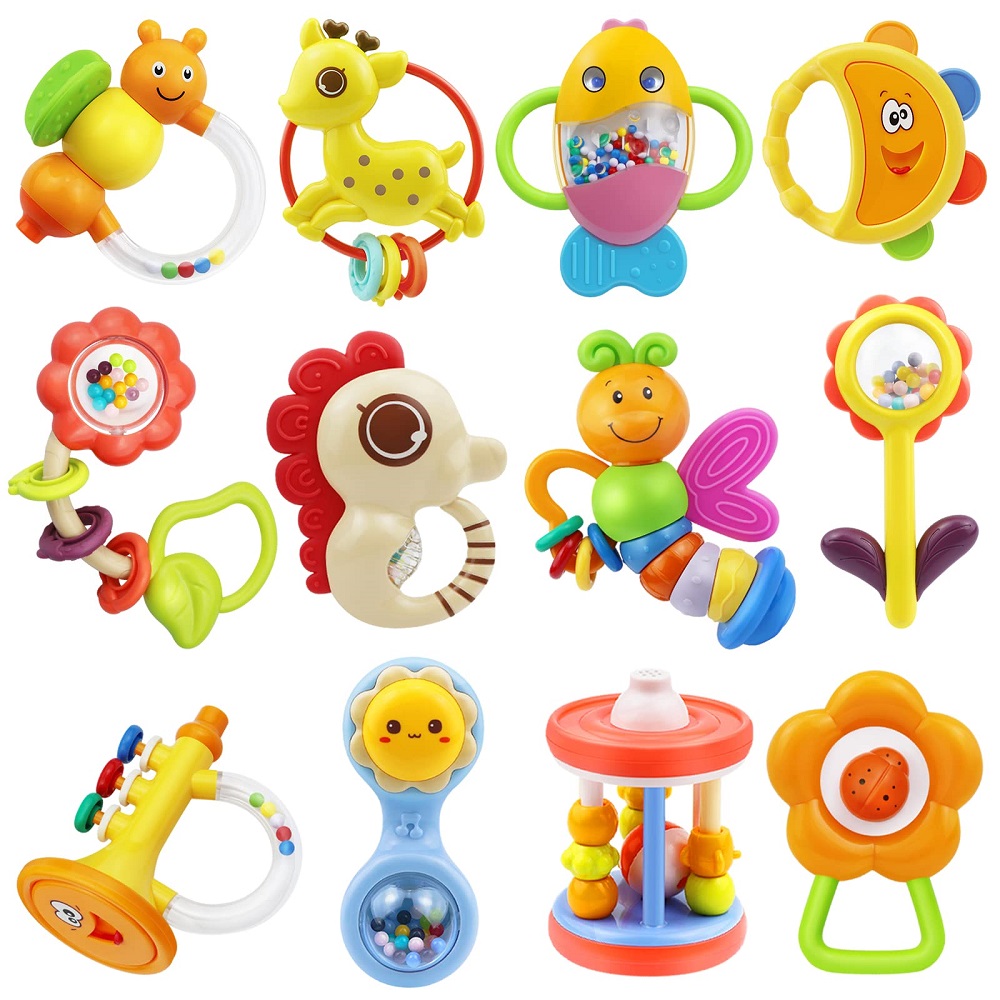
Educational Toddler Toys: Engaging Options for Little Learners

The Importance of Educational Toys in Early Childhood Development

Educational toys play a vital role in the growth and learning of toddlers. These toys help jump-start mental development and foster cognitive skills at a young age. Let’s explore the importance of educational toddler toys in early childhood development.

Stimulating the Brain

Educational toys engage a toddler’s senses, sparking curiosity and encouraging exploration. They challenge the brain, helping toddlers develop problem-solving skills and understand cause and effect relationships. Toys that require sorting, matching, or assembling stimulate critical thinking and concentration.

Promoting Language Skills

Toys that involve naming shapes, colors, or numbers are great for language development. When toddlers describe what they’re doing or ask questions, they’re practicing communication. Educational toys support this by providing opportunities for toddlers to learn new words and concepts.

Enhancing Motor Skills

Many educational toddler toys require physical interaction, improving fine and gross motor skills. As toddlers grip, stack, or move toys, they refine their coordination and dexterity. This active play is crucial for muscle development and hand-eye coordination.

Encouraging Social Skills

Playtime with educational toys often involves sharing, taking turns, and cooperative play. These interactions teach toddlers valuable social skills such as empathy, patience, and teamwork. Through play, toddlers learn about cooperation and develop a sense of community.

educational toddler toys

Fostering Creativity and Imagination

Educational toys provide a canvas for imagination. They open up worlds of make-believe where toddlers can role-play, invent stories, and express themselves artistically. This creative play is essential for developing inventive thinking and adaptive skills.

In conclusion, educational toddler toys are more than just fun. They’re foundational tools that support a toddler’s developmental milestones. By incorporating these toys into daily routines, parents can create a rich environment ripe for learning and growth.

Top Types of Educational Toys for Toddlers

Choosing the right educational toys for toddlers can be a meaningful decision. Here are some top types that can enhance various developmental skills:

Building Blocks

Building blocks are classic educational toddler toys. They teach spatial awareness, balance, and creativity. Toddlers learn to stack, sort, and build, which sharpens their motor skills and fosters problem-solving.

Puzzles

Simple puzzles with large pieces suit toddlers well. These toys strengthen hand-eye coordination and critical thinking. As toddlers fit pieces together, they also learn about shapes and colors.

Musical Instruments

Toy drums, xylophones, or simple keyboards introduce toddlers to sounds and rhythms. Playing these can aid auditory development and encourage an appreciation for music.

Art Supplies

Crayons, markers, and paints invite toddlers to express themselves. Drawing and painting improve fine motor skills and stimulate creativity and imagination.

Interactive Books

Books with buttons and textures engage toddlers’ senses. They enhance language skills by exposing children to new vocabulary and storytelling.

Sorting and Stacking Toys

Toys that require sorting shapes or stacking rings are excellent for cognitive development. They teach toddlers to recognize patterns and sequences.

Remember, the best educational toddler toys are those that match the child’s interests and developmental level. Keep the play engaging and fun, and your toddler will learn as they grow!

educational toddler toys

Criteria for Choosing the Best Educational Toys

Choosing the best educational toddler toys requires thoughtful consideration. Here are essential criteria to guide your selections:

Evaluate Educational Value

Look for toys that offer learning opportunities. Make sure they enhance skills like problem-solving, language, or creativity.

Consider the Child’s Age

Select toys appropriate for your toddler’s age. Age labels help ensure safety and developmental suitability.

Match the Toy to the Child’s Interests

A toy that aligns with a child’s interests is more likely to engage them. Observe their play habits to make informed choices.

Toys Should Promote Engagement

Opt for toys that require active participation over passive use. They should encourage toddlers to think, move, and interact.

Check for Versatility

Versatile toys that grow with your child are valuable. They often offer multiple ways to play, adapting to the child’s development.

Prioritize Safety

Always consider safety. Look for non-toxic materials, no small parts, and sturdy construction.

Following these guidelines ensures the toys you select are not only fun but also contribute to your toddler’s growth and development.

Age-Appropriate Educational Toys for Different Stages

Selecting age-appropriate educational toys is key to a toddler’s learning and enjoyment. It is crucial to match toys with a child’s developmental milestones for maximum benefit. Below, we explore suitable educational toys for various age stages of toddlers.

Ages 1-2 Years

During this stage, toddlers are learning to walk and talk. Toys that stimulate movement and basic language skills are ideal. Look for:

  • Push and pull toys: These build balance and muscle strength.
  • Simple shape sorters: They promote problem-solving skills.
  • Board books: These introduce vocabulary and reading basics.

Ages 2-3 Years

At this age, toddlers begin to refine their motor skills and expand their vocabulary. Toys that encourage more complex play are great. Suitable options include:

  • Large-piece puzzles: These enhance hand-eye coordination.
  • Basic building blocks: They improve spatial relations and creativity.
  • Simple role-play sets: These toys foster imagination and social skills.

Ages 3-4 Years

This phase is when toddlers get ready for preschool. They thrive with toys that challenge their thinking and cooperation skills. Choose toys like:

  • Complex puzzles: These further develop critical thinking.
  • Art supplies: They encourage self-expression and fine motor skills.
  • Interactive electronic toys: These introduce basic technology skills.

For every age stage, it is important to emphasize safety, engagement, and the educational value of the toy. Consistently selecting toys that promote learning will help toddlers reach their developmental milestones with joy and curiosity.

safe-baby-toddler-toys-kubiya-games-color-matching

Integrating Educational Toys into Daily Play Routines

Creating a daily routine that includes educational toddler toys can have a lasting impact on a child’s development. With a little planning and creativity, parents can seamlessly incorporate these toys into the everyday life of their toddlers, encouraging learning through play. Here’s how:

Set Aside Dedicated Playtime

Allocate specific times during the day for focused play. Morning hours can be ideal as toddlers are often most alert. During this time, introduce toys that stimulate the brain with puzzles or building blocks.

Incorporate Toys into Daily Activities

Use educational toys during regular activities. Counting blocks while setting the table or naming colors with art supplies can make chores educational.

Create a Playful Environment

Keep a variety of educational toys within reach. Rotating toys regularly can keep toddlers interested and engaged in playtime.

Use Toys to Encourage Independent Play

Choose toys that toddlers can explore on their own. This helps develop their autonomy and problem-solving skills.

Play Together with Your Child

Spend time playing with your toddler. Use toys that foster social skills, like role-play sets, to encourage interaction. Share, take turns, and have fun together.

Make Learning a Game

Turn learning into a game. Use sorting and stacking toys to create playful competitions, enhancing cognitive skills while having fun.

Integrating educational toys into daily routines doesn’t need to be complex. With these guidelines, parents can make every day a learning adventure for their toddlers. Keep it simple, engaging, and safe, and watch your child thrive.

The Role of Parents in Playtime with Educational Toys

Parents play a critical role in their toddler’s growth and learning through play. When engaging with educational toddler toys, the interactions between parents and children can significantly enhance the developmental process. Here are some points to highlight the importance of parental involvement:

Leading by Example

Parents can lead by example and show curiosity and excitement about learning. As toddlers mimic their parents, they are more likely to engage positively with educational toys.

Providing Support and Encouragement

When a toddler faces challenges, parents can offer support without taking over. This boosts confidence and persistence. Cheering on every small win motivates kids to keep trying.

Fostering Communication

Playing together encourages conversation. Parents can ask questions and talk about the toys, helping toddlers improve their language skills.

Guiding Learning

Parents can guide toddlers to discover new ideas or find solutions. It helps the child learn how to think, not just what to think.

Ensuring Safe Play

Monitoring playtime ensures that toddlers interact with their toys safely, preventing accidents and encouraging proper use.

In summary, when parents join in on playtime with educational toys, they do more than just play. They contribute to a supportive and nurturing learning environment where toddlers feel loved, curious, and ready to explore.

educational toddler toys

Recommended Brands and Products for Toddler Educational Toys

When it comes to finding the best educational toddler toys, several brands stand out for their quality and innovation. Here are some top recommended brands and products that parents should consider:

  • Melissa & Doug: Known for their wooden toys, Melissa & Doug offer puzzles, building blocks, and role-playing sets that encourage hands-on learning.
  • LeapFrog: LeapFrog specializes in electronic learning toys that are both fun and educational, with a focus on language and math skills.
  • Fisher-Price: Fisher-Price toys are designed with child development experts to ensure their educational value for various age ranges, particularly in the use of music and sounds.
  • VTech: VTech toys combine fun and learning with interactive elements that help toddlers develop key skills across different developmental stages.
  • Hape: Known for sustainability, Hape’s toys are eco-friendly and often crafted from wood, promoting sensory skills and fine motor development.
  • Little Tikes: A brand that offers durable toys ideal for physical play and motor skill enhancement, like their classic Cozy Coupe car.

Choosing products from these reputable brands can help assure parents of the educational value and safety of the toys. Additionally, each of these brands offers a wide range of toys suitable for various stages of toddler development, ensuring that there’s something for every child’s interest and learning need.

Parents should always read reviews, consider the educational benefits, and keep their child’s interests and developmental stage in mind when selecting educational toys from these or any other brands. By doing so, they can create a vibrant and educational play experience that supports their toddler’s growth and learning journey.

Safety Considerations When Selecting Toddler Toys

Safety is crucial when choosing educational toddler toys. Here’s what to watch for to keep your little ones safe:

Look for Quality Materials

Choose toys made of non-toxic materials. Check for any harmful chemicals in plastics or paints.

Avoid Small Parts

Toddlers tend to put things in their mouths. Select toys without small parts to prevent choking hazards.

Check Age Recommendations

Always look at the age range on toy packaging. It’s there for safety and suitability.

Inspect for Sharp Edges

Make sure toys do not have sharp edges or points. Smooth edges are safer for young children.

Ensure Sturdy Construction

Toys should be well-made and durable. They must withstand rough play without breaking easily.

Straps and Cords

Avoid toys with long straps or cords. These can pose a strangulation risk for toddlers.

Battery Safety

If toys require batteries, ensure the battery compartment is secure. This will prevent toddlers from accessing the batteries.

Regularly Check Toys

Inspect toys often for wear and tear. Discard broken toys or repair them promptly.

Following these safety tips will help protect your toddlers while they learn and play. It’s key to supervise play and keep the play area free of hazards. Choosing safe educational toddler toys is one of the best ways to ensure a safe and supportive learning environment.

 toddler toys

Choosing the Right Educational Toddler Toys

Safety First

When selecting educational toddler toys, safety should always be the top priority. Look for toys that meet safety standards and regulations. Avoid toys with small parts that could pose a choking hazard, and choose materials that are durable and non-toxic. Manufacturers often provide age recommendations on packaging, which is an essential factor to consider.

Tailoring Choices to Your Child’s Interests

It’s also crucial to consider your child’s interests when choosing educational toys. If your toddler enjoys animals, for example, puzzles or books about animals can spark their enthusiasm for learning. Engaging children in play that resonates with their interests fosters a positive learning environment.

Observing how your child interacts with different toys can provide insights into their preferences. By choosing toys that align with their interests and developmental stage, you can create an enriching play experience that encourages exploration and discovery.

The Power of Educational Play

In conclusion, educational toddler toys play a vital role in early childhood development. They stimulate cognitive, emotional, and physical growth in young learners. By selecting the right types of toys, such as building blocks, puzzles, art supplies, interactive toys, and sensory materials, parents can enhance their child’s learning experience.

Engaging in educational play not only strengthens foundational skills but also fosters a love for learning that can last a lifetime. Investing in quality educational toys is a valuable decision that will benefit both children and their caregivers. As children explore, create, and discover, they build the skills necessary for future success. Embrace the power of educational play and watch your little ones flourish as they learn and grow!

Toddler Riding Toys: Enhancing Motor Skills While Having Fun

When it comes to early childhood development, one of the most important areas of focus is motor skills. These skills involve the ability to move and control muscles for everyday tasks, and they are vital for overall health and well-being. One of the most enjoyable ways for toddlers to enhance their motor skills is through riding toys. These toys not only provide endless entertainment but also play a significant role in physical development. In this article, we will explore the benefits of toddler riding toys and discuss some of the best options available to help your little one grow and learn while having fun.

Understanding Motor Skills Development

The Importance of Motor Skills

Motor skills can be categorized into two main groups: gross motor skills and fine motor skills. Gross motor skills involve larger movements made with the arms, legs, and the entire body. Activities like crawling, walking, and running fall into this category. These skills are crucial for everyday tasks and for participating in sports and other physical activities later in life.

Fine motor skills involve the smaller movements of the hands and fingers. These skills are essential for tasks such as writing, buttoning clothes, and manipulating small objects. Both gross and fine motor skills develop together and are interconnected. Riding toys provide an excellent way for toddlers to enhance these skills because they engage both types of movements through active play.

How Riding Toys Help

Riding toys are specifically designed to promote motor skill development. When toddlers ride a toy, they engage their leg muscles to push with their feet. This action strengthens their leg muscles and helps improve balance, coordination, and overall body awareness. Additionally, maneuvering a riding toy requires steering, which further develops the child’s control and fine motor skills.

In addition to physical benefits, riding toys support cognitive development. As toddlers navigate their environment on a riding toy, they learn about spatial awareness and cause-and-effect relationships. For example, they quickly learn that turning the handlebars causes the toy to change direction, enhancing their understanding of movement and control.

toddler riding toys

Types of Riding Toys

Push and Ride Toys

Push and ride toys are ideal for toddlers who are starting to walk and explore their surroundings. These toys typically have a sturdy base, handles for support, and wheels that allow them to be pushed or ridden. Push and ride toys provide a safe way for toddlers to exercise their legs while building confidence in their moving abilities.

When toddlers use push and ride toys, they practice balance and coordination. They must learn how to shift their weight and steer, all while maintaining stability. These toys often come in bright colors and fun designs, making them visually appealing to children. Parents can choose from various models, including those shaped like animals, vehicles, or popular characters, to suit their child’s interests.

Balance Bikes

Balance bikes are another exciting option for promoting motor skills. These bikes are designed without pedals, allowing toddlers to focus on balancing rather than pedaling. As children learn to push themselves along the ground using their feet, they develop their balance and coordination skills. This is an excellent precursor to riding a traditional bicycle later on.

Balance bikes often come in various sizes and styles, making them suitable for children of different ages and skill levels. A balance bike’s adjustable seat height allows for customization, ensuring a perfect fit for your child. This adaptability helps them maintain balance and reach the ground while they learn to ride. Many balance bikes are made from lightweight materials, ensuring easy maneuverability for your toddler.

toddler riding toys

Choosing the Right Riding Toy

Safety First

When selecting a riding toy for your toddler, safety should be the top priority. Always check for safety certifications and compliance with safety standards. Additionally, consider the age recommendations provided by the manufacturer. Choose a toy appropriate for your child’s age and developmental stage to ensure proper use.

It’s also essential to inspect the riding toy for any sharp edges, choking hazards, or loose parts. Look for toys made from durable materials that can withstand rough play. A sturdy design will provide stability and support while promoting safe riding experiences. Taking these precautions will help create a fun and secure environment for your child to play in.

Comfort and Usability

In general, comfort and usability are also important considerations. Ensure that the riding toy fits your toddler’s size and allows for proper posture while riding. An appropriate height and width will help your child sit comfortably, allowing them to enjoy extended periods of play. A well-designed toy will enable children to easily get on and off, encouraging independence.

If your child will frequently use their riding toy outdoors, consider options with durable wheels for different terrains. Some riding toys come equipped with air-filled tires, while others feature solid wheels for improved traction on grass or pavement. This versatility will allow your little one to enjoy their toy in various environments, enhancing their physical play experience.

play experience

Enhancing Social Skills Through Riding Toys

Playdates and Group Activities

Riding toys are not just about individual play; they can also encourage social interaction. When toddlers play together with riding toys, they learn vital social skills such as sharing, taking turns, and communicating. Playdates involving group riding activities can promote cooperative play and teamwork, enriching your child’s social development.

For instance, setting up obstacle courses or races with peers can enhance children’s interactive play experiences. These group activities help toddlers navigate their toy while learning to cooperate and compete in a friendly manner. Through these interactions, children develop patience, empathy, and leadership skills—essential qualities as they grow.

Parent-Child Bonding

Engaging in riding activities together can also strengthen the bond between parents and children. This shared experience fosters communication and encourages parents to maintain a supportive role in their child’s development. Parents can actively participate by guiding their child as they learn new skills and cheering them on during play.

As your toddler gains confidence and improves their motor skills, be sure to celebrate achievements, big or small. Encouragement and praise promote positive associations with physical activity, helping to cultivate a lifelong love for outdoor play. Bonding through riding activities creates cherished memories and lays a foundation for healthy parent-child relationships.

healthy parent-child relationships

Incorporating Riding Toys into Daily Routines

Outdoor Adventures

Integrating riding toys into your child’s daily routine can boost their physical activity levels and outdoor exploration. Taking the riding toy outside for a daily adventure can enhance your toddler’s appreciation for nature while promoting active play. Encourage outdoor sessions at parks, playgrounds, or even the driveway, maximizing the use of their riding toy.

Outdoor riding activities can enhance the developmental benefits of play. Riding toys promote cardiovascular fitness while simultaneously building muscle strength and coordination. It’s important to balance indoor and outdoor activities to provide a well-rounded experience for your toddler. Day trips and excursions involving riding toys can also create opportunities for family bonding and increased physical activity.

Setting a Routine

Additionally, consider setting a routine around riding toy play. Designate specific times during the day for outdoor riding, allowing your child to look forward to these moments. A routine can create structure, ensuring that your little one benefits from regular physical activity, whether through rides around the block or play sessions with friends.

Setting a routine also allows parents to monitor screen time and promote healthier habits. By incorporating riding toys into daily life, families can establish positive routines centered around physical activity, fostering the development of a healthy lifestyle that lasts into adulthood.

toy

Creativity and Imagination in Play

Role-Playing Adventures

Riding toys can inspire creativity and imaginative play in toddlers. As children navigate their surrounding environment, they often invent scenarios, turning their riding toys into vehicles for exciting adventures. Whether pretending they are racing through a jungle or embarking on a treasure hunt, riding toys can serve as the perfect prop for imaginative exploration.

Encourage role-playing by joining in on the fun and introducing different themes or stories. Your involvement can enhance the experience, stimulating your child’s imagination and curiosity. This interactive play allows toddlers to express themselves creatively while engaging deeply with their riding toys.

Designing Themed Courses

Parents can further support imaginative play by creating themed courses for their children’s riding toys. Simple obstacle courses constructed with cones, boxes, or even chalk can spark creativity and excitement. Children can navigate these courses, transporting imaginary cargo or playing as different characters; this engagement adds an extra layer of enjoyment to their riding experience.

Creating varied environments encourages children to use their imaginations while promoting physical activity. Riding toys no longer serve merely as a mode of play; they become gateways to creativity and storytelling, allowing your toddler to explore new perspectives.

Investing in Your Child’s Development

A Multifaceted Approach

In conclusion, investing in toddler riding toys is an excellent way to support your child’s physical and cognitive development while providing endless entertainment. These toys promote motor skills, social interaction, and creativity, helping to foster a love for active play. By understanding the various types of riding toys available and their benefits, you can make informed choices that align with your child’s development and interests.

As parents, it is essential to consider safety, comfort, and usability when selecting riding toys. Additionally, integrating these toys into daily routines allows for consistency in physical activity, promoting healthy habits and family bonding.

Encouraging Lifelong Fun

Through imaginative play and adventurous activities, riding toys can nurture your toddler’s development while creating lasting memories. Encouraging your child to explore the world through play can instill a sense of curiosity and an appreciation for active living. As they grow, continue to motivate and inspire them to stay engaged in physical activities, ensuring that they develop a healthy lifestyle.

With the right riding toys and a supportive environment, your toddler can enjoy an enriching experience that enhances their motor skills while having fun. Investing time, resources, and energy into your child’s playtime is not just about entertainment; it can have a profound impact on their growth and development. So, let the fun and learning begin with the exciting world of toddler riding toys!

Entertaining Toddler Travel Toys for Stress-Free Journeys

Top Picks for Portable Toddler Toys

Selecting the right toddler travel toys can make or break your journey. Portable toddler toys should be compact, engaging, and durable enough to withstand the rigors of travel. Here are a few top picks that check all the boxes for the perfect travel companion for your little one.

  • Magnetic Drawing Boards: Ideal for creativity without mess. These boards are reusable and engage toddlers for hours.
  • Miniature Playsets: Playsets with a small footprint, such as mini-doll houses or car garages, are excellent for imaginative play without taking up too much space.
  • Foldable Play Mats: These mats can set a play area anywhere and often feature captivating themes and landscapes.
  • Stacking Cups or Blocks: Easy to pack, these can be used for building or nested together to save space in your baggage.
  • Pocket-sized Puzzles: Puzzles are perfect for problem-solving and can come in zippered pouches for organization.
  • Travel-themed Books: Board books with travel themes not only entertain but also prepare toddlers for the journey ahead.

Each of these toddler travel toys provides a unique way to keep your child entertained while also ensuring that your travel remains as stress-free as possible. Remember to look for options that are easy to clean, as tidiness is essential when traveling. Also, consider the noise level of toys to ensure they’re appropriate for public spaces like plane cabins or train carriages. With the right portable toddler toys, your little explorer will be both happy and occupied, allowing you to focus on the journey ahead.

toddler travel toys

Essential Criteria for Choosing Toddler Travel Toys

When picking out toddler travel toys, several key criteria will help make your selection worthwhile and effective. Here’s what to consider:

  • Size and Portability: Travel toys should be compact and lightweight. They must fit easily into your luggage without adding significant bulk or weight.
  • Engagement Factor: Choose toys that will capture your toddler’s interest for extended periods. Look for toys with bright colors, intriguing textures, or interactive elements.
  • Durability: Toys that can withstand being dropped, thrown, or stepped on are essential. Travel involves movement and potential rough handling, so durable toys are a must.
  • Ease of Cleaning: Opt for toys that are simple to clean. Travel can get messy, and easy-to-clean toys mean one less stress for parents.
  • Noise Level: Consider the noise a toy makes. Quiet toys are preferable, especially in confined spaces like airplanes or trains where noise can be an issue.
  • Safety: Safety is paramount. Toys should be made of non-toxic materials and have no small parts that could be a choking hazard.
  • Educational Value: If possible, select toys that offer some educational benefit, such as simple puzzles that enhance problem-solving skills or toys that encourage recognition of shapes and colors.

These criteria ensure that toddler travel toys not only keep your child entertained but also contribute positively to their travel experience. By focusing on these elements, you’ll find toys that are not just fun but also practical for the unique challenges of travel.

Engaging Toddler Toys for Airplane Trips

Traveling by airplane with toddlers may seem daunting. The confined space and long hours can test any parent’s patience. Yet, with engaging toddler travel toys, you can turn the trip into a fun experience for your little one. Here are some toys that are perfect for airplane journeys:

  • Coloring Books with Washable Crayons: These allow creativity with minimal mess. Look for coloring books with travel-themed pictures to get kids excited about their adventure.
  • Silent Electronic Games: Games that do not require sound and have a headphone jack can keep toddlers engaged without disturbing fellow passengers.
  • Window Gel Clings: Simple and reusable, these clings let kids decorate the airplane window and enjoy the view while they play.
  • Quiet Activity Books: Books with zippers, buttons, and other sensory activities occupy toddlers’ hands and minds quietly.
  • Soft Plush Toys: A cuddly companion can provide comfort and a sense of security for your toddler during the flight.

Choosing toys that keep noise to a minimum is crucial on an airplane. It’s also essential to consider the ease of packing these toys. Each one should be light and take up minimal space in your hand luggage. Safety is also a key concern; avoid toys with small parts that could get lost or pose a choking hazard. With these engaging toddler travel toys, you can make flying with your little one a breeze and minimize the stress of air travel for everyone involved.

DMoose-Travel-Lap-Activity-Tray

Best Quiet Toys to Keep Toddlers Busy

Keeping toddlers busy on a journey often means finding toys that are quiet yet captivating. Here’s a list of the best quiet toddler travel toys you can pack for your next trip:

  • Soft Activity Books: These fabric books may include textured pages, mirrors, and silent flaps. They’re great for sensory play.
  • Quiet Puzzles: Some puzzles are designed to be quiet, like those with larger, chunky pieces that are easy for little hands to handle.
  • Felt Boards: Felt boards with various story themes can spark creativity. They come with quiet, stick-on pieces.
  • Rubber Building Blocks: These blocks are soft and noise-free when they fall or knock together. They’re perfect for safe and silent construction play.
  • Tactile Sensory Bins: Fill a small bin or container with different textures, like rice or fabric swatches, for quiet sensory exploration.
  • Whisper Phones: These are acoustical voice feedback toys that allow children to hear themselves quietly while they speak into them.
  • Lacing Cards: These cards help develop fine motor skills with no sound. Children lace the string through the holes in the cards.

When selecting quiet toys, remember the essential criteria for choosing toddler travel toys. Look for durability, ease of cleaning, and compactness to complement the silence of the play. Be sure to consider the educational value too. Quiet toys can help toddlers stay engaged, allowing for a peaceful journey for all travelers.

Interactive Games and Toys for Road Trips

Long road trips with toddlers require toys that are both fun and interactive. Such toys should keep kids entertained for hours and encourage their participation. Here are some interactive games and toddler travel toys ideal for road trips:

  • Magnetic Puzzle Sets: These puzzles are great because they stick to the board, preventing loss of pieces in the car.
  • Reusable Sticker Pads: Toddlers can create scenes and stories multiple times with these, as stickers can be moved around.
  • Pop-Up Books: These books make the reading experience interactive, with elements that jump out as pages turn.
  • Travel Bingo: Simple bingo games with pictures can be fun for toddlers to play and easy to manage by parents.
  • Dry-Erase Boards with Markers: Kids can draw and erase over and over, which is perfect for long trips.
  • Interactive Electronic Games: Choose those with volume control or headphone jacks to avoid disturbing others.

When picking these toys, consider their size and how they will fit into your travel bags. Always check for small parts to ensure they are safe for your toddler. Additionally, choose toys that are easy to clean since road trips can often get messy. By focusing on interactive toys, you make the journey enjoyable for your toddler, reducing stress and making memories along the way.

baby-on-the-go-blush

Montessori-Inspired Toys for Developmental Play on the Go

Montessori-inspired toys can be excellent toddler travel toys. They encourage natural learning through play. Here are some ideas for Montessori toys that are easy to pack:

  • Simple Bead Sequencing Sets: They teach colors, shapes, and patterns.
  • Small Sensory Bins: A container with rice and small toys can offer hours of fun.
  • Compact Shape Sorters: These can help toddlers learn shapes and improve problem-solving.
  • Travel-Sized Wooden Blocks: Perfect for building and stacking; they boost motor skills.
  • Miniature Object Matching Games: They grow memory and matching capabilities.

These toys are engaging and help toddlers learn while they explore. They are made to last and are usually easy to clean. They also often double as silent toys, keeping noise levels down. Remember to pick ones without small parts for safety. With these Montessori toys, your toddler can have fun and learn, even on the move.

Space-Saving Toddler Toys for Compact Packing

When planning a trip, space is often at a premium. Choosing toddler travel toys that are space-efficient ensures that you can bring a variety of entertainment options without overstuffing your luggage. Here’s a list of outstanding space-saving toddler travel toys that are perfect for compact packing:

  • Collapsible Toy Containers: These containers can double as a play area and store toys when not in use.
  • Miniature Versions of Classic Toys: Small figurines, vehicles, and animals are easy to pack and can spark imaginative play.
  • Travel-Sized Magnetic Games: Board games with magnetic pieces are less likely to get lost and are easy to set up anywhere.
  • Inflatable Toys: Balls or toys that can be deflated take up very little space and are great for physical play.
  • Digital Apps: Educational apps on a tablet provide a variety of games without taking up any physical space.
  • Fold-Up Dollhouses and Castles: These toys can be laid flat in luggage but still provide extensive imaginative play.
  • Clip-on Toys for Strollers and Car Seats: They offer entertainment without adding to the baggage.

When choosing these toys, remember to consider the essential criteria previously mentioned, such as durability and safety. Compact packing does not mean you have to compromise on the quality or the engagement factor of the toys. With these space-saving toddler travel toys, you’ll be able to keep your little one entertained while also keeping your luggage light and organized.

toddler travel toys

Tips for Introducing New Travel Toys and Games

When it comes to keeping your toddler happy on a trip, new toys can be a game-changer. But introducing these toys requires a bit of thought. Here are practical tips for making new toys and games travel hits:

  • Introduce Before the Trip: Let your child play with the new toy at home first. This builds familiarity, making the toy a comforting item during travel.
  • One Toy at a Time: Avoid overwhelming your child with too many options. Present one new toy at different intervals to maintain interest.
  • Keep a Surprise Element: Hold back a special toy and bring it out mid-journey. The novelty will renew your child’s attention.
  • Blend Old and New: Mix favorite toys with new ones. This combo brings comfort from the known and excitement from the new.
  • Explain the Rules: If it’s a game, ensure your toddler understands how to play it. Simple explanations go a long way.
  • Pack a Variety: Include quiet toys, interactive games, and educational items. A good mix keeps boredom at bay and caters to different moods.
  • Use as Rewards: Offer new toys as incentives for good behavior. It can motivate cooperation and good manners on the trip.

By integrating these tips, your toddler’s travel toys will not just be for fun but also help in creating a pleasurable journey for everyone involved.

Traveling Tips for Stress-Free Journeys

Preparing in Advance

To ensure a successful trip, preparation is crucial. Pack toddler travel toys in an easily accessible location, so they can be quickly retrieved when needed. Organizing toys into separate bags or pouches can help keep everything tidy, making it easier to find what you need on the go.

Additionally, consider involving your toddler in the packing process. Allowing them to choose a couple of their favorite toys can make the experience more exciting and less stressful. This method gives toddlers a sense of control and ownership over their travel experience.

Setting Expectations and Creating Routines

Establishing a routine helps prepare toddlers for travel. Discuss what to expect during the journey and use visuals if needed. Knowing what lies ahead, such as travel time and breaks, can ease anxiety. Setting clear expectations also helps toddlers understand when playtime with toddler travel toys will occur.

During the journey, create mini-routines that can guide the use of toddler travel toys. For instance, designate specific times during the trip for different toys or activities. This approach provides structure, keeping toddlers engaged while reducing the likelihood of meltdowns.

travel toys

Enjoying Travel with Engaging Toys

Traveling with toddlers can be a delightful experience, especially when equipped with the right tools. Custom selection of toddler travel toys creates opportunities for entertainment and learning, keeping little ones engaged throughout the journey. From compact games to creative arts supplies, numerous options are available to suit every toddler’s interests and needs.

By prioritizing engagement and comfort, families can create pleasant travel experiences filled with enjoyment and connection. Thoughtful preparation and an understanding of toddler travel toys ensure smooth journeys, allowing for more time spent enjoying new adventures together. Embracing activities that foster growth and engagement transforms travel into memorable, stress-free experiences that families will cherish for years to come.